





Key takeaways
- A hotel game room is a dedicated amenity space that boosts ancillary revenue while improving guest satisfaction and length of stay.
- Successful game rooms balance game variety, smart space design and tech integrations to serve different guest segments effectively.
- With the right monetization strategy, a hotel game room can directly contribute to higher revenue per available room (RevPAR).
What separates a forgettable hotel stay from one guests rave about and book again? Increasingly, the answer lies in amenities that go beyond a comfortable bed and free breakfast.
A well-designed game room in hotel properties has become a genuine differentiator, drawing families, corporate groups and experience-hungry travelers who want more from their stay. Forward-thinking owners and general managers are recognizing that dedicated entertainment spaces drive longer on-site dwell time, stronger reviews and measurable revenue.
In this article, we'll cover everything you need to know about planning, operating and profitably running a hotel game room, from layout and equipment to pricing and guest engagement strategies.
What is a hotel game room?
A hotel game room is a dedicated recreational space where guests can play games during their stay. It typically sits outside the guestroom and operates as a shared amenity, much like a fitness center or a pool.
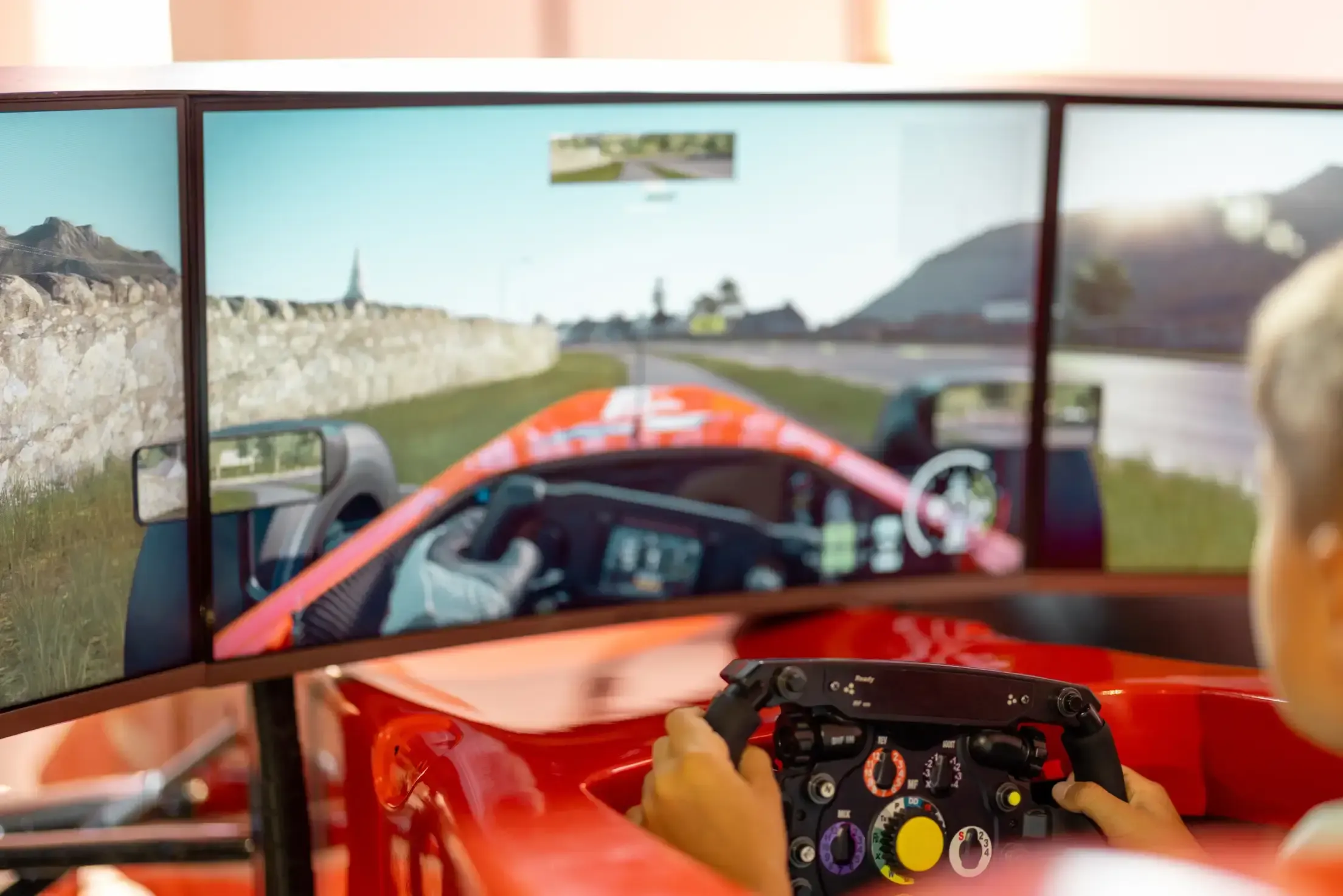
The format of a hotel game room varies widely by property type. Budget hotels might offer a simple arcade corner with a few machines, while upscale resorts may feature dedicated spaces with billiards, ping-pong, board game libraries, virtual reality (VR) stations and private gaming lounges.
Family-focused properties tend to prioritize games that appeal to children and teens, while boutique and lifestyle hotels often lean toward social game setups that encourage interaction among adult guests.
Essentially, hotel game rooms are less about the games and more about creating a spot where guests can relax, socialize and stay entertained on property.

Why is a hotel game room worth the investment?
A hotel game room is more than a guest perk; it's a strategic investment that delivers measurable returns across your property.
Here's how it earns its place in your budget:
- Boosts revenue per guest: Paid access models, game credits, food and beverage (F&B) tie-ins and tournament fees generate direct income while encouraging guests to spend more across spa, retail and dining, boosting total revenue per available room (TRevPAR).
- Enhances guest satisfaction scores: A well-run game room gives guests a memorable experience and a reason to leave positive reviews, which lifts overall satisfaction scores and influences future booking decisions.
- Differentiates from local competitors: While most hotels offer the same core amenities, a thoughtfully designed game room gives families a deciding factor, corporate groups a social outlet and lifestyle travelers a reason to choose your property over the competition.
Together, these advantages make a hotel game room one of the more practical investments a property can make to grow revenue, strengthen guest satisfaction and stand out in a competitive market.
What are the essential elements of a successful hotel game room?
Getting a hotel game room right requires deliberate planning across several areas. Each element plays a distinct role in shaping the guest experience and the room's overall performance.
Element
What it involves
Why it matters
Game selection for your guests
Matching game variety to your guest mix, from arcade stations to board game libraries
Drives engagement and extends dwell time across guest segments
Space and acoustic design basics
Managing traffic flow, lighting and sound to prevent noise from affecting other areas
Creates a comfortable environment that earns compliments rather than complaints
Tech integrations and reservations
Connecting digital booking, property management system (PMS) payments and cashless options to reduce friction at peak times
Streamlines operations and connects game room revenue to unified property reporting
Maintenance, staffing and safety
Scheduling equipment checks, assigning peak-hour staff and enforcing safety protocols
Protects uptime, guest safety and long-term return on investment
How much space and budget does a hotel game room need?
Planning a hotel game room starts with two honest questions: how much space do you have and how far does your budget realistically stretch?
The answers vary by property size, guest mix and how central the game room is to your overall amenity strategy.
Space guidelines by hotel size
- Small properties with fewer than 50 rooms work well at 300–500 square feet (sq ft), enough space for 3–5 high-impact games.
- Mid-size properties with 50-150 rooms benefit from 600–1,000 sq ft, with room to create distinct zones for active and quieter play.
- Large properties with 150 or more rooms should plan for at least 1,200 sq ft, leaving space for private bookable sections for groups or events.
Equipment cost ranges
- Arcade and redemption machines typically range from $2,000–8,000 per unit, depending on game type.
- Billiards tables cost between $1,500 and $5,000, depending on quality and finish.
- VR setups carry the highest upfront cost, ranging from $5,000–20,000 or more, depending on hardware and software.
- A focused starter setup runs $15,000–$30,000, while a larger tech-forward space may require $75,000–150,000.
Ongoing operating expenses
- Maintenance and repairs typically account for 10–15% of equipment value each year and should be built into your budget from day one.
- Software fees for reservation and payment systems add a recurring monthly cost that varies by provider.
- Consumables, insurance for recreational equipment and staff coverage complete the full picture of the monthly operating budget.
According to Amadeus's Travel Dreams study, 63% of hotel guests are willing to pay more for premium amenity features, showing that investing in the right game room setup connects directly to guest spend and booking decisions.
What monetization strategies boost RevPAR?
A hotel game room earns its keep when it's treated as a revenue center rather than a cost line. While the best monetization strategy depends on your property’s positioning, three approaches reliably boost RevPAR.
1. Free versus paid access models
Free access works well as a satisfaction driver, with properties that bundle it into the room rate often seeing stronger reviews and repeat bookings. Paid models suit properties where the game room has clear, standalone appeal, such as charging per session or selling credit bundles at check-in.
A hybrid approach, where basic access is free but premium games or private rooms carry a fee, balances both goals effectively.
2. Events, packages and tournaments
Structured programming is where game rooms become significantly more profitable.
Family packages that bundle game room credits with room rates, retro arcade tournaments that generate F&B revenue alongside entry fees and private bookings for birthday parties all move the space from passive amenity to active revenue driver.
Lessons from gaming show how structured competition and rewards keep players coming back, and the same logic translates directly to hotel game room programming.
3. Partnerships, sponsorships and upsells
Local brands and gaming companies are often open to sponsorship arrangements. An energy drink brand sponsoring a tournament night, a tech company supplying branded VR equipment or a local brewery partnering on F&B during game events all create revenue without adding operational complexity.
A contact-free hotel setup strengthens upselling too, with QR codes linking guests to F&B menus and next-day experiences directly from the game room floor.
Run and monetize a game room with Mews
Running a game room profitably means connecting every charge and transaction to the rest of your property operations. Fragmented billing and manual reconciliation cost time and revenue that most properties cannot afford to lose.
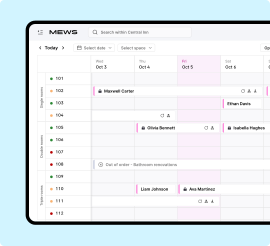
Mews POS connects your game room directly to your PMS and payments in one unified place – the Mews operating system.
Here's what it does for your property:
- Routes all game room charges directly to the guest folio
- Accepts cashless payments via mobile terminal or QR code
- Tracks game room revenue in real-time alongside F&B and room data
- Drives upsells and ancillary revenue through promotions, bundles and flexible pricing across the property
Book a demo and see how Mews helps you run every corner of your property more profitably, starting with your game room.
What size game room works for a small hotel?
What size game room works for a small hotel?
For a small hotel, a game room of 300–600 sq ft is usually sufficient to offer a mix of games without feeling cramped. The space should allow comfortable circulation, seating and room for 3–5 key attractions like arcade machines, VR stations or a foosball table.
Should hotels charge guests for game room access or offer it free?
Should hotels charge guests for game room access or offer it free?
Hotels should generally offer game room access for free to enhance guest satisfaction and encourage longer stays. Charging can be reserved for premium experiences or pay-to-play attractions to generate additional revenue.
Which games earn the highest ROI in a hotel game room?
Which games earn the highest ROI in a hotel game room?
In hotel game rooms, VR experiences, arcade machines and skill-based pay-to-play games typically deliver the highest ROI due to strong guest engagement and repeat play. Classic favorites like foosball, air hockey and interactive simulators also perform well, especially when combined with premium or timed-play pricing.
How do hotels keep game room maintenance costs low?
How do hotels keep game room maintenance costs low?
Hotels can keep game room maintenance costs low by choosing durable, low-maintenance equipment, scheduling regular preventive upkeep and training staff to handle minor repairs. Consolidating suppliers, using multi-purpose games and monitoring usage patterns also help minimize wear and reduce unexpected expenses.
Can hotel software track game room usage and payments?
Can hotel software track game room usage and payments?
Yes. A POS system integrated with your PMS allows you to post all game room charges directly to guest folios, track revenue by service item and monitor usage patterns through unified reporting dashboards.