Key takeaways
- Innkeeping blends the roles of general manager, housekeeper and business owner, requiring hands-on involvement across every operational area.
- Profitability depends on market feasibility, diversified revenue and tight cost control, alongside proper licensing, financing and legal compliance.
- Strong staffing, guest-centric design and consistent marketing help independent inns compete with larger hotels through personalized service and direct guest relationships.
Running an inn sounds appealing until you realize it combines the demands of a hotel general manager, a housekeeping supervisor and a small business owner into a single job. The reward is real: a well-run inn can be profitable and genuinely satisfying work.
But running an inn well means understanding the finances, the legal requirements, the daily rhythms and the guest expectations before you open your first door.
In this article, we'll cover what innkeeping involves, its profitability and legal requirements, how to finance, design, staff and market your property and how to manage daily operations and finances once you open.
What is innkeeping?
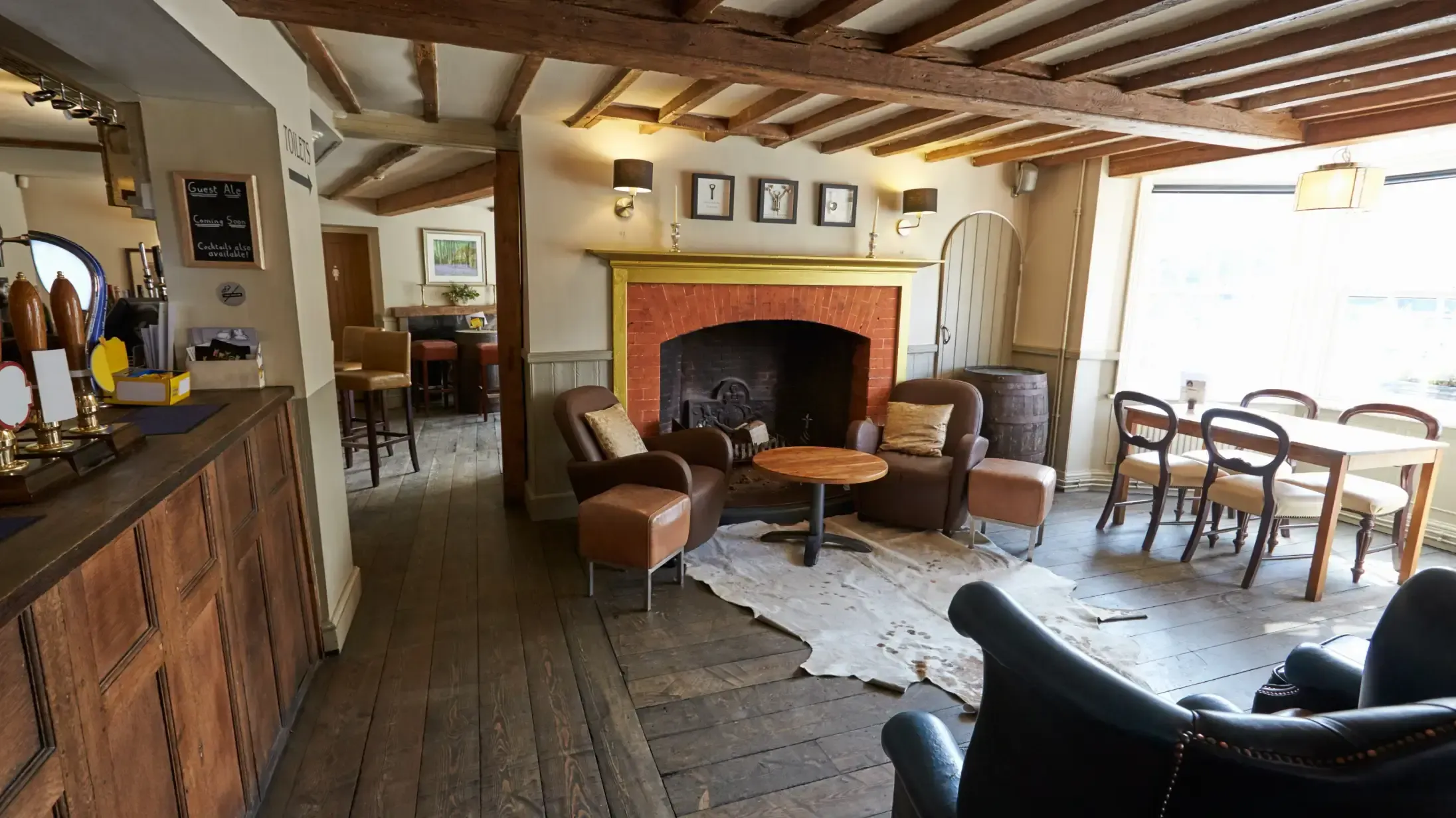
Innkeeping is the day-to-day operation of a small, often independent lodging property that sells overnight stays and, in many cases, a limited food and beverage (F&B) offering like breakfast. It is hands-on by nature. At small properties, there is no large management layer to absorb operational gaps.
Core responsibilities
What is an innkeeper's work in practice? It is a blended role. On any given day, you are acting as a hotel general manager, front desk agent, housekeeping coordinator and sales lead at the same time. That compression is not a flaw in the model; it is the model. Small properties cannot offset weak execution in one area by relying on scale in another.
Daily operations overview
Running an inn day-to-day means moving fluidly between guest-facing and behind-the-scenes work, often within the same hour. A typical morning might involve checking out departing guests, coordinating with housekeeping on turnover times, restocking breakfast service and responding to booking inquiries, all before noon.
Unlike larger hotels where these tasks are split across departments, an innkeeper handles them directly or delegates them to a small team. This constant juggling reflects the reality of running daily operations solo or with a lean team, where no single department exists to absorb an off day.
Is running an inn profitable?
Running an inn can be profitable, but the margin depends heavily on location, occupancy and how well you control costs. Profitability rests on three interconnected factors that every prospective owner should evaluate before buying or building:
- Market feasibility improves when a property sits in a year-round destination rather than one that depends on a short tourist season.
- Revenue models perform better when paired with a strong hotel marketing strategy that diversifies income beyond nightly rates.
- Cost breakdown becomes more accurate when you track fixed expenses like insurance separately from variable ones like housekeeping supplies.
Together, these factors determine whether your inn generates steady profit or struggles to break even.
What licenses and legal requirements apply to inn owners?
Opening an inn involves navigating several layers of legal requirements before you can welcome your first guest. These requirements vary by state and municipality, so understanding each category helps you plan your timeline and budget accurately.
Requirement category
What it covers
Federal and state licensing
Most states require a business license and a specific lodging or innkeeper's license, often tied to your entity registration. Some states also mandate a sales or occupancy tax permit before you can legally collect payment from guests.
Local permits
Local governments typically require zoning approval and a certificate of occupancy before you open. Many jurisdictions also require a separate short-term rental or bed and breakfast permit, depending on your property type.
Insurance requirements
Innkeepers need commercial property and liability insurance to protect against guest injury or property damage. Many lenders also require proof of coverage before approving financing.
Health and safety codes
Fire safety inspections and food service permits apply if you offer meals. Building codes also govern accessibility, occupancy limits and emergency exits.
How do you finance an inn purchase?
Financing a small inn almost always involves layering multiple sources. Understanding what is available before you make an offer gives you a much stronger negotiating position.
Traditional lending options
Conventional commercial real estate loans from banks or credit unions are the most common starting point. Small Business Administration (SBA)-backed lending, particularly the 7(a) loan program, is frequently used by owner-operators to reduce equity requirements and extend amortization terms. Check the SBA's eligibility guidance to understand whether your acquisition structure qualifies.
Alternative funding sources
Seller financing is worth exploring in negotiations, especially when a seller wants a clean exit, but the deal structure needs flexibility. Private or bridge debt can cover time-sensitive closings or immediate renovation needs. Local economic development programs vary widely by market but occasionally offer favorable terms for small hospitality businesses.
Many inn buyers need capital not just for acquisition but for the renovation work that follows. A room refresh or safety upgrade immediately after purchase requires working capital runway, particularly when average daily rate (ADR) growth is modest and costs are elevated.

How to set up and design your inn
Designing an inn well means balancing guest comfort with practical, everyday functionality. The following areas deserve close attention as you plan your layout and finishes:
Guest room essentials
- Comfortable bedding, adequate storage and reliable climate control form the foundation of a satisfying stay.
- Blackout curtains and sound insulation help guests rest well, especially in properties near busy streets or shared walls.
Common area planning
- Shared spaces like lobbies, breakfast areas and porches should invite guests to relax and interact without feeling cramped.
- Flexible furniture arrangements allow these spaces to serve different purposes throughout the day, from morning coffee to evening gatherings.
Accessibility standards
- At least one guest room should meet Americans with Disabilities Act (ADA) requirements for mobility, hearing and visual accommodations.
- Common areas need clear pathways, accessible restrooms and entrances that accommodate wheelchairs and mobility aids.
How to hire and train inn staff
Staffing an inn well means finding people who can wear multiple hats while still delivering consistent, attentive service. Building a capable team starts with the right roles, structured training and clear service expectations:
Key roles to fill
- A front desk or guest services role handles check-in, check-out and day-to-day guest questions.
- Housekeeping staff maintain room cleanliness and turnover between stays.
- A maintenance contact, whether in-house or on call, addresses repairs and upkeep issues quickly.
Training programs
- New hires benefit from shadowing experienced staff during their first few shifts to learn property-specific routines.
- Ongoing training on your booking system and guest communication tools keeps service consistent as staff turnover happens.
Service standards
- Clear guidelines for response times help staff resolve guest requests before small issues become complaints.
- Consistent standards for cleanliness and presentation ensure every guest has a comparable experience, regardless of which staff member is on duty.
Which marketing strategies work best for inns?
Marketing an inn effectively means reaching travelers where they already search while building a reputation that keeps them coming back.
The strategies below work together to drive both visibility and trust.
Marketing strategy
How it works
Online booking channels
Maintaining a website with a direct hotel booking engine while listing your property on selected OTAs maximizes visibility and encourages commission-free direct bookings.
Local partnerships
Collaborating with nearby restaurants, tour operators and event venues creates referral opportunities that bring in guests already visiting the area.
Guest review management
Responding promptly to reviews and encouraging satisfied guests to leave feedback builds the social proof that influences future bookings.
What are daily innkeeping workflows?
Daily workflows determine whether an inn runs smoothly or leaves both guests and staff scrambling to keep up. Three routines form the backbone of consistent, dependable operations.
1. Check-in procedures
Check-in at an independent inn often feels more personal than at a branded property, since owners or long-tenured staff greet guests by name and share local recommendations directly.
This is one of the clearest differences between independent and chain hotels, where standardized scripts replace the flexibility smaller properties can offer. A simple, well-documented check-in process still keeps things efficient even without a large front desk team.
2. Housekeeping schedules
Housekeeping needs a predictable schedule that accounts for check-out times, same-day turnovers and deep cleaning cycles. Coordinating this schedule with the front desk prevents guests from arriving before a room is ready.
3. Guest communication
Clear communication before, during and after a stay sets expectations and reduces last-minute questions. Automated confirmations paired with a personal touch during the stay strike the right balance for most inns.
Simplify innkeeping operations and grow revenue with Mews
Running an inn well means keeping guest service personal without drowning in manual admin work. As your property grows, spreadsheets and disconnected tools start costing you time you would rather spend with guests.
Mews unifies reservations, payments, housekeeping and guest communication in one hospitality operating system, enabling you to manage daily operations from a single workspace.
With Mews, you can:
- Manage bookings, check-in and billing from a single dashboard
- Automate routine tasks like confirmations and payment processing
- Offer online check-in and check-out without adding front desk staff
- Access real-time reporting to track occupancy and revenue
Book a demo to see how Mews helps independent innkeepers run smoother operations while growing revenue.
How much money do you need to start an inn?
How much money do you need to start an inn?
The amount needed to start an inn varies widely based on location, size and property condition, but it can range from tens of thousands of dollars for a small renovation project to several million dollars for a fully equipped property. Costs usually include land or lease, construction or refurbishment, furnishings, licenses and initial operating expenses.
Do inn owners usually live on the property?
Do inn owners usually live on the property?
Yes, many inn owners do live on the property, especially in smaller or family-run inns, as it helps them manage daily operations, guest service and maintenance more closely. However, in larger or professionally managed inns, owners often live elsewhere and rely on on-site managers and staff to run the business.
What skills do successful innkeepers need?
What skills do successful innkeepers need?
Successful innkeepers need strong hospitality and customer service skills to ensure guests feel welcomed and well cared for throughout their stay. They also need business management abilities, including budgeting, pricing and operations oversight, along with problem-solving and communication skills to handle guest needs and run the property efficiently.
How can small inns compete with large hotels?
How can small inns compete with large hotels?
Small inns can compete with large hotels by focusing on what they can do better: highly personalized service, unique local experiences and a strong sense of character that big chains often lack. They can also win through smart digital marketing, strong online reviews, flexible pricing and building direct relationships with guests to encourage repeat stays and word-of-mouth referrals.
What technology helps simplify inn management?
What technology helps simplify inn management?
Several types of technology help simplify inn management by automating daily operations and improving guest experience. A PMS for hotels can also be used to handle bookings, check-ins and billing at an inn, while hotel channel manager software syncs inventory across booking platforms. Guest messaging tools, mobile check-in systems and payment platforms also reduce manual work and help innkeepers manage operations more efficiently from a single dashboard.