Key Features
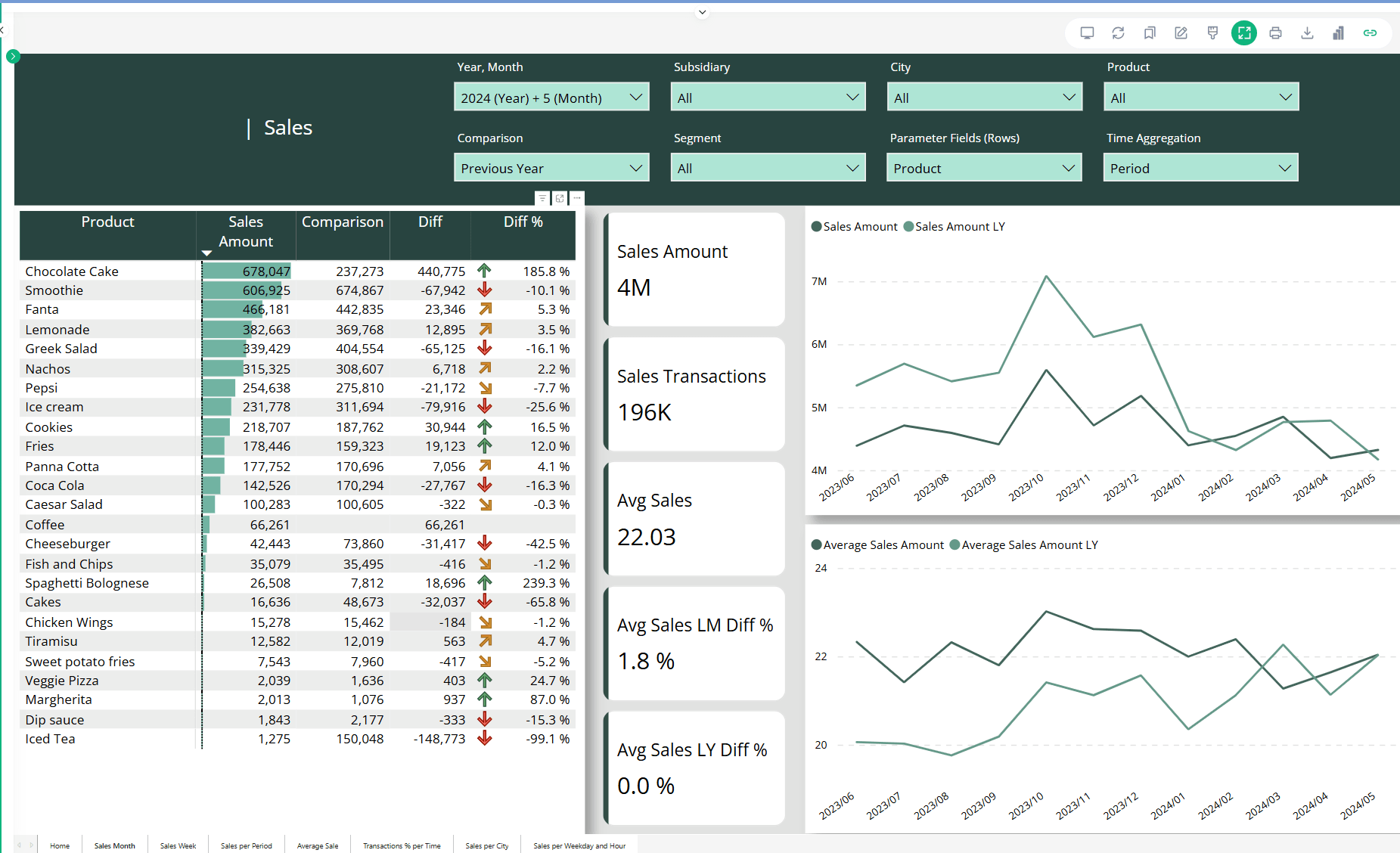
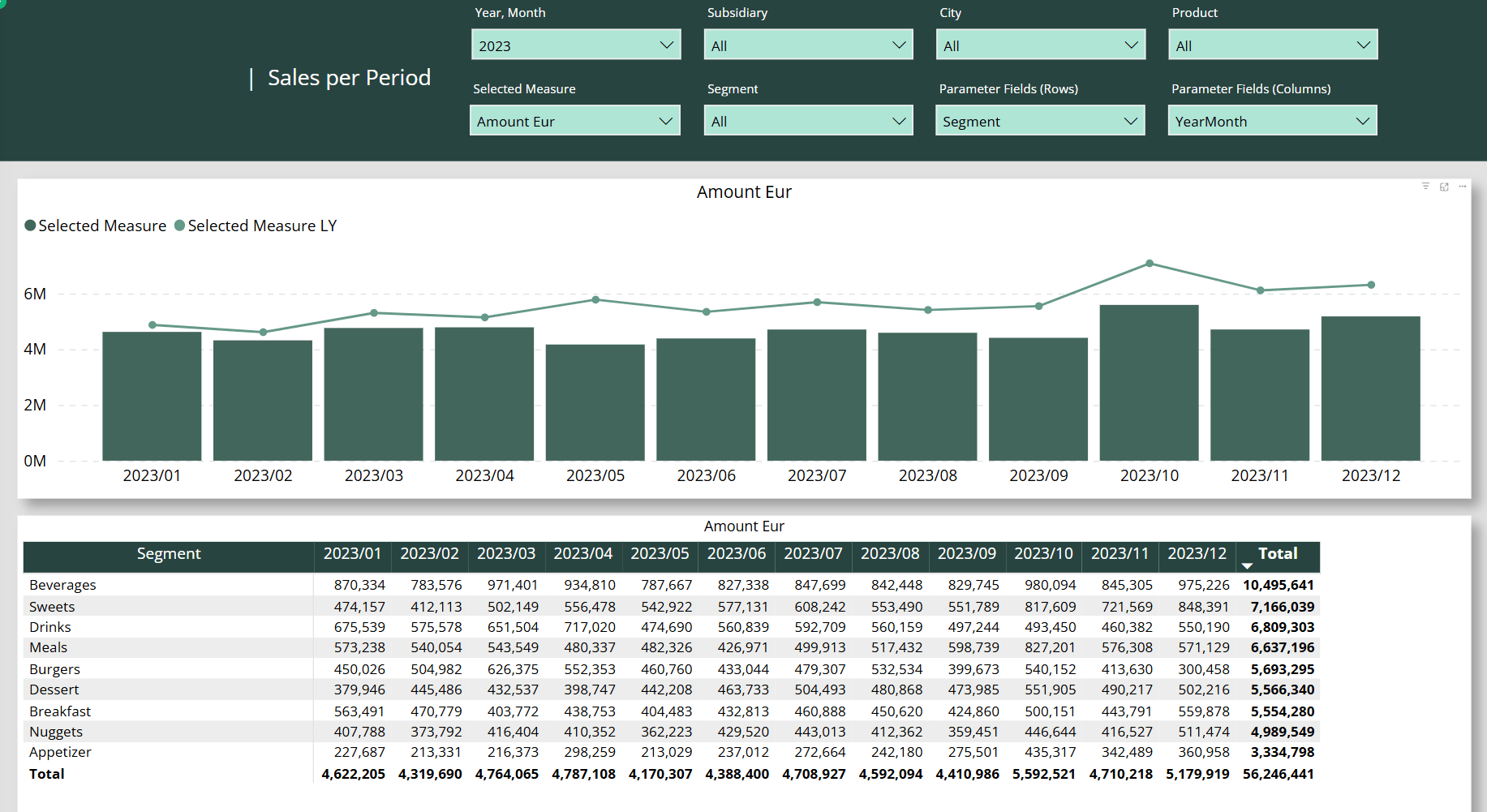
- Data Visualization
- Provides a variety of chart types (bar, line, pie, etc.) to represent data visually.
- Interactive dashboards that allow users to drill down into specific data points for deeper analysis.
- Report Generation
- Automated report generation capabilities to save time and ensure consistency.
- Customizable templates to meet specific reporting needs.
- Data Integration
- Seamless integration with various data sources including databases, spreadsheets, and cloud services.
- Ability to pull data from multiple sources for comprehensive analysis.
- Collaboration Tools
- Features that allow teams to collaborate on reports and dashboards.
- Sharing capabilities to distribute insights among stakeholders easily.
- Real-Time Analytics
- Ability to process and analyze data in real time, providing up-to-date insights.
- Alerts and notifications for significant changes in key metrics.
- User-Friendly Interface
- Intuitive design that allows users with various levels of technical expertise to navigate comfortably.
- Drag-and-drop functionality to create reports and dashboards easily.
Benefits
- Improved Decision-Making: By providing clear insights, BI Book helps businesses make informed decisions quickly.
- Enhanced Efficiency: Automating reporting and analysis tasks save time and reduces manual errors.
- Customizable Solutions: Businesses can tailor the software according to their specific needs and industry requirements.
- Scalable: The software can grow with the organization, accommodating increased data and user numbers.
- Increased Collaboration: Tools for sharing and collaborating on insights enhance teamwork and communication within organizations.
Typical Use Cases
- Financial Reporting: Automating financial reports and visualization of key financial metrics.
- Sales Analysis: Tracking sales performance, customer acquisition, and trend analysis to enhance sales strategies.
- Market Research: Analyzing market trends and consumer preferences to guide product development and marketing efforts.
- Operational Efficiency: Monitoring operational metrics to identify inefficiencies and areas for improvement.
- Customer Insights: Gaining an understanding of customer behavior through data analysis to improve services and offerings.
Product Gallery