Key takeaways
- Professional hotel photography builds trust and drives bookings before guests arrive, making it one of the highest-return marketing investments a property can make.
- Strategic placement of visual content across your website, OTA listings and social channels maximizes the return on every photography investment.
- Regular updates to your hotel photo library maintain credibility with modern travelers, especially after renovations or changes to your amenities.
- Authentic lifestyle imagery and user-generated content complement professional shots by showing guests what a stay actually feels like.
It's often said that an image is worth a thousand words – and in hospitality, that's especially true. Before a guest steps through your lobby doors, their first impression of your hotel comes through photos. Strong, high-quality images don't just capture attention; they create that powerful sense of anticipation and FOMO that nudges potential guests toward booking.
That's why professional, thoughtful photography is one of the most effective ways to showcase your property in the hospitality industry.
In this article, we'll look at what hotel photography means, why it matters and the practical hotel photography tips you need to prepare for your next photoshoot.
What is hotel photography?
Hotel photography is the art of capturing your hotel in a way that highlights its most appealing features to future guests while telling the story of your brand. This usually includes high-quality images of hotel rooms, amenities and shared spaces, as well as detail shots that reflect comfort and care.
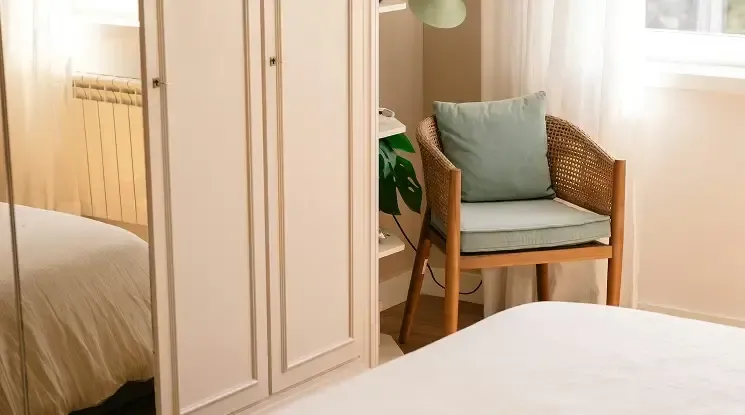
A good photographer often uses wide-angle lenses to capture the scope of a room, along with close-ups to emphasize the finer details. Done well, these images become a visual extension of your guest experience.
Why does hotel photography matter?
Hotel photography does more than showcase your property: it creates an emotional connection. When potential guests browse your website, online travel agency (OTA) listings or social channels, photos help them picture themselves staying with you. They set expectations, communicate brand personality and build trust.
Visual storytelling is especially important on social media, where images inspire interest and encourage sharing. Influencers and professional content creators know this well, and their images can generate valuable buzz around your property.
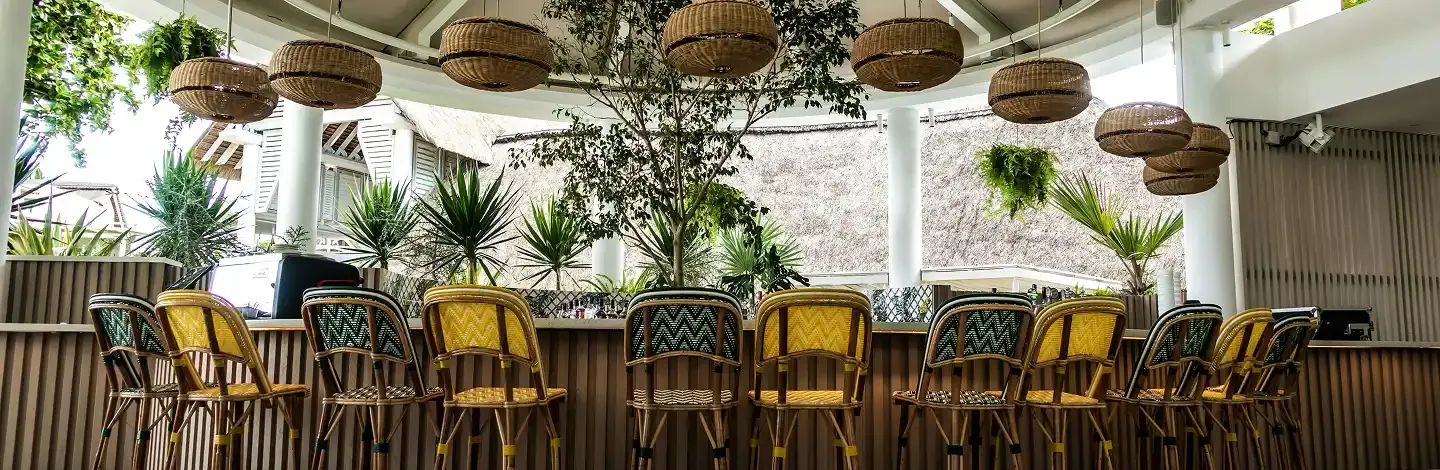
Most importantly, photos help answer a guest's unspoken question: What will it feel like to stay here? A smiling face by the pool, a couple enjoying a cocktail at the bar, or the glow of your lobby at night brings that vision to life.
How to build trust and credibility with visual content
Potential guests evaluate your property through images before deciding to book. Quality photography demonstrates professionalism and attention to detail.
Follow these steps to build trust through visual content:
1. Ensure accuracy in representation
Show your spaces as they truly appear. Avoid heavy filters or misleading angles that create unrealistic expectations.
2. Display current property conditions
Remove outdated images immediately after renovations or changes. Guests trust hotels that present authentic, up-to-date visuals.
3. Showcase cleanliness and maintenance
Highlight pristine rooms, well-maintained facilities and spotless common areas. These details signal operational excellence.
4. Include transparent detail shots
Capture amenities, room features and furnishings clearly. Transparency about what guests receive eliminates booking hesitation.
How to create emotional connections through imagery
Hotel room photography that evokes emotion transforms browsers into bookers. Strategic imagery helps guests envision their experience at your property.
Apply these techniques to create emotional resonance:
Feature real guest moments
Photograph actual visitors enjoying your pool, dining areas or lounges. Authentic scenes feel more relatable than staged models.
Capture atmosphere through lighting
Use golden hour for exterior shots. Warm evening lighting in restaurants creates an inviting ambiance.
Tell stories through sequences
Show progression from arrival to departure. A visual journey helps guests imagine their entire stay.
Highlight sensory experiences
Frame steam rising from coffee cups or sunlight streaming through windows. These details trigger emotional responses.
The impact of hotel photography on your website performance
Hotel photography has a measurable impact on website performance, and the effects show up across three distinct areas:
1. Conversion
High-quality images reduce bounce rates, increase time on page and improve booking engine conversion. Your website is often where the booking decision is made, and photography is a direct influence on whether a visitor continues to the booking engine or leaves.
2. Trust
Accurate, current imagery signals that your property is well-maintained and honestly represented. Guests who feel confident about what they're booking are more likely to complete a reservation and less likely to leave disappointed reviews after arrival.
3. SEO and discoverability
Optimized images improve search visibility beyond your website alone. Adding accurate alt text, using descriptive file names and following image SEO best practices increases your chances of appearing in Google Images and visual search tools like Google Lens. A strong photo gallery isn't just decoration but a traffic driver.
Different types of hotel photography to invest in
The main types of hotel photography to invest in are architectural, lifestyle, food and beverage and amenity photography – each serving different marketing goals and appealing to different guest needs.
Diversifying your visual content creates a comprehensive picture of your property. Each style of hotel photography serves distinct marketing purposes and appeals to different guest needs.
Architectural photography
Architectural hotel photography captures the structural design, layout and spatial characteristics of your property. This includes exterior facades, lobby spaces, corridors and room configurations.
Examples: Wide-angle shots of your entrance, overhead views of your lobby layout, perspective shots highlighting ceiling details and symmetrical compositions of hallways
Architectural images establish your property's physical presence. They help guests understand room sizes, navigate your layout mentally and appreciate design elements. Properties with unique architecture use these shots to differentiate themselves from competitors.
Lifestyle photography
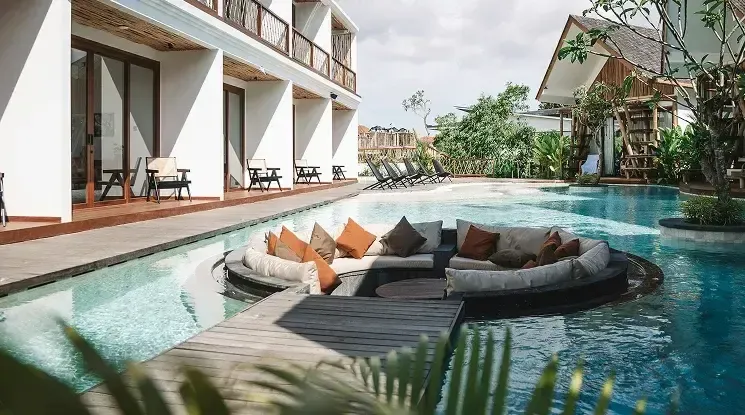
Lifestyle hotel photography shows guests actively experiencing your property. These images capture people swimming, dining, working in business centers or relaxing in common areas.
Examples: Couples enjoying breakfast on your terrace, business travelers using workspace amenities, families by the pool and friends gathering in your bar
Lifestyle shots create aspirational scenarios that help potential guests visualize their own stays. These images drive emotional connections stronger than empty room shots. They also humanize your brand through authentic guest experiences.
Food and beverage photography
Food and beverage (F&B) photography showcases your culinary offerings. This includes plated dishes, bar preparations, breakfast spreads and dining atmosphere shots.
Examples: Close-ups of signature dishes, overhead shots of full breakfast buffets, cocktails with garnishes and dining rooms during service
Restaurant and bar photography appeals directly to food-motivated travelers.
Quality culinary images can elevate perceived value, justify premium pricing and attract guests specifically for dining experiences. Strong F&B visuals also support ancillary revenue through meal plan upsells.
Amenity and facility photography
Amenity photography documents special features beyond standard rooms. This covers fitness centers, spas, meeting spaces, business facilities and recreational areas.
Examples: Gym equipment arrays, spa treatment rooms, conference setups, rooftop terraces and pet-friendly areas
Amenity images help guests evaluate whether your property meets their specific needs.
Business travelers seek meeting spaces, wellness-focused guests want fitness facilities and families need recreational options. Clear amenity documentation reduces pre-booking inquiries while increasing qualified reservations.
Why should hotels hire a professional photographer?
Hotels should hire a professional photographer because the technical expertise, equipment and post-production skills required to produce booking-quality images cannot be reliably replicated with a smartphone or amateur shoot.
While anyone can snap photos with a smartphone, hotel photography requires a specialized skill set. Professional results separate your property from competitors in crowded markets.
Technical expertise
Professionals understand lighting ratios, composition rules and camera settings. They capture spaces accurately without distortion while maximizing visual appeal.
Specialized equipment
Wide-angle lenses, lighting rigs, tripods and editing software create polished results. Professionals invest in tools that produce consistent, high-quality output.
Efficient workflow
Experienced photographers work quickly through shot lists. They maximize coverage during optimal lighting windows without disrupting hotel operations.
Post-production skills
Professional editing balances colors, corrects exposures and removes distractions. Polished images maintain realism while presenting your property beautifully.
Hotel photography tips that create the best first impression
Hotel photography tips that most consistently create a strong first impression come down to light, angles, authenticity, consistency and optimization. Here's each one in detail.
1. Use natural light
Natural light produces softer, more flattering results than artificial lighting. It enhances colors, creates depth and makes your photos feel more authentic and true-to-life.
2. Get multiple angles
Show each space from different perspectives to capture its full character. Multiple angles provide a complete picture and add variety to your photo gallery.
3. Highlight your unique features
Details matter. Showcase the little touches – fresh linens, thoughtful amenities, design accents – that demonstrate the care and personality of your hotel.
4. Capture authentic guest experiences
Guests don't just book a room; they book moments. Photos of people enjoying your pool, dining or relaxing in the spa create relatable, aspirational imagery.
5. Include exterior shots and local attractions
Give a sense of place. Exterior photos and images of nearby attractions help guests understand the setting and feel more connected to the destination.
6. Maintain visual consistency
Consistency across lighting, angles and style creates a professional, cohesive image library. Balance wide shots with close-ups and mix lifestyle images with property photos.
7. Optimize your hotel photos
High-quality images are essential, but they should also be optimized for SEO and fast load times. Add alt text, use descriptive file names and consider HDR for the best results.
8. Refresh your photo library regularly
Outdated photography can damage trust. If you've renovated your property, your photos should reflect that. Fresh images signal that your hotel is well-maintained and up to date.
9. Show your hotel's personality
Not every photo has to be perfectly polished. Candid, playful images of smiling guests or behind-the-scenes moments help show the human side of your brand, even if you're a luxury hotel.
Common hotel photography mistakes to avoid
Even well-intentioned hotel photography tips can go wrong without proper execution. Understanding common pitfalls helps you maintain visual credibility and guest trust.
Poor editing and misrepresented spaces
Over-editing creates unrealistic expectations. Heavy filters, excessive brightening or wide-angle distortion misrepresent room sizes and conditions, and when reality doesn't match the photos, negative reviews follow quickly.
Avoid this by:
- Keeping edits subtle and natural
- Correcting exposure and color balance without altering fundamental characteristics
- Testing edited photos against actual spaces before publishing
- Choosing lenses that accurately represent room dimensions rather than exaggerating square footage
Poor composition and cluttered shots
Cluttered hotel room photography distracts from your property's strengths. Visible laundry carts, maintenance equipment or personal items suggest poor attention to detail. Guests question your operational standards when photos show disorganized spaces.
To prevent this:
- Clear all unnecessary items before shoots.
- Remove cleaning supplies, excess furniture and temporary signage.
- Apply rule of thirds for balanced framing.
- Shoot from heights that minimize distortion while maximizing visual appeal.
Inconsistent lighting and color casts
Mixed lighting temperatures create unnatural color tints: yellow-orange from tungsten bulbs and blue from fluorescent lights. Either makes spaces look uninviting or dated regardless of their actual quality, and inconsistency across your gallery compounds the problem by signaling a lack of professional care.
Here's how to fix it:
- Schedule shoots during optimal natural light hours.
- Use consistent white balance settings throughout your property.
- Replace mismatched bulbs before photography sessions.
- Correct color casts professionally during editing while maintaining realistic tones.
Maximizing ROI from your hotel photography
Professional hotel photography only delivers a return when it is used strategically across your marketing channels.
Placing photos strategically across marketing channels
Hotel photo placement determines visibility and conversion impact. Each platform requires specific approaches to maximize engagement and booking potential.
Website homepage hero images
Feature your strongest architectural or lifestyle shots above the fold. Rotate seasonally to maintain freshness.
OTA listings optimization
Lead with photos that highlight your competitive advantages. Place room shots first, amenities second and location context third.
Social media adaptation
Crop images for platform-specific dimensions. Instagram favors square crops while Facebook performs better with landscape orientations.
Email marketing integration
Embed high-performing images in promotional campaigns. Test different visual styles to identify what drives click-through rates.
Measuring photo performance and engagement
Images convert browsers into bookers and tracking performance helps you refine visual strategies over time.
Here's how to do it:
Use heatmap analysis tools
Monitor where visitors click and scroll on photo galleries. Identify which images hold attention longest.
A/B test different shots
Compare conversion rates between lifestyle and architectural hero images. Let data guide future photography direction.
Monitor OTA performance metrics
Review which listings receive the highest click-through rates. Analyze whether specific photo types correlate with better performance.
Track social engagement
Monitor likes, shares and comments on different image types. Understand which content resonates most with your audience.
Getting value from user-generated content
Guest-created hotel photography adds authenticity that complements professional shots. User content provides social proof while reducing photography costs.
Create photo-worthy moments
Install Instagram-worthy design elements. Provide props or backdrops that encourage guest photography.
Encourage sharing through incentives
Offer discounts or upgrades for guests who tag your property. Run contests rewarding the best guest photos.
Curate and repurpose content
Request permission before using guest photos. Feature user content on your website and social channels with proper attribution.
Balance professional and user content
Maintain professional imagery as your foundation. Supplement with authentic guest photos that show real experiences.
Enhance your hotel photography with Mews
Investing in professional hotel photography is one of the most direct actions a property can take to increase bookings. But even the most compelling images lose their impact when the booking journey that follows them is clunky, unclear or disconnected from what the photos promised.
Mews is a hospitality operating system built to help hotels automate operations, grow revenue and deliver better guest experiences. Mews Booking Engine helps hotels turn strong photography into a clearer booking path by showing guests exactly what they're reserving within a branded direct-booking flow.
Here’s what Mews Booking Engine offers:
- A visual booking experience with up to 10 photos per room or space, so guests can browse room types and spaces with more confidence before they book.
- A branded booking flow that can match your website's look and feel, helping the journey feel consistent from your gallery to check-out.
- Built-in upsell opportunities for extras like parking, breakfast or other add-ons during booking and check-in, helping turn strong imagery into ancillary revenue.
- A direct booking flow where guests can book and pay in one experience, helping reduce friction between inspiration and reservation.
- Support for non-room inventory like parking spaces and meeting rooms through the same booking engine, with room for imagery at every step.
Crane Hotel Group saw this play out directly after switching to Mews.
“With Mews Booking Engine, our direct bookings have skyrocketed, and we’re able to give guests the personalized experience they want.”
– Elliot Friar, Hotelier
When your photography is strong and your booking engine matches that quality, the conversion follows. Book a demo to see how our hotel booking engine turns your best images into bookings.
Want to learn how to utilize hotel space for maximum profit with minimum effort?
Download our guide "The Best Ways to Reimagine Your Hotel Spaces"
How much should we budget for professional hotel photography?
How much should we budget for professional hotel photography?
Professional shoots typically range from $1,500 to $10,000 depending on property size, photographer experience and deliverable count. Budget higher for comprehensive coverage, including lifestyle and F&B shots. Professional hospitality photographers may also charge $4,000-$8,000 per day, with typical 100-room properties requiring 3–7 shooting days.
How often should we update our hotel's photo gallery?
How often should we update our hotel's photo gallery?
Refresh your gallery at least once a year as a baseline. Update immediately after renovations, room refurbishments, new amenity additions or seasonal changes. Guests who arrive to find spaces that match your current photos are far less likely to leave disappointed reviews.
What should we include in our hotel photography shot list?
What should we include in our hotel photography shot list?
A thorough shot list covers exterior views, all room categories, bathrooms, lobby and common areas, dining spaces, amenities like the gym or spa and local attractions. Add detail shots of signature features and lifestyle images showing guests actively enjoying the property.
How do we choose the right photographer for our hotel?
How do we choose the right photographer for our hotel?
Review portfolios specifically for hospitality work, not just general commercial photography. Check that their editing style matches your brand aesthetic. Ask about equipment, typical turnaround times and whether they provide raw files. Request a detailed shot list process before committing to a booking.
What image specifications do OTAs require?
What image specifications do OTAs require?
Requirements vary by platform, but most OTAs accept JPEG format with a minimum resolution of 1024x768 pixels and a maximum file size of around 5MB. Both Booking.com and Expedia recommend higher-resolution images for featured listings. Always check each platform’s current spec page before uploading.
Written by

Jessica Freedman
Jessica is a trained journalist with over a decade of international experience in content and digital marketing in the tourism sector. Outside of work she enjoys pursuing her passions: food, travel, nature and yoga.