
Key takeaways
- Influencer marketing delivers measurable hotel revenue only when campaigns are built around clear KPIs, audience fit and performance tracking.
- Micro-influencers and platform-specific content consistently outperform one-off, follower-led collaborations in both engagement and booking intent.
- Hotels that formalize influencer programs with contracts, content rights and ongoing measurement are able to scale high-performing partnerships.
- A modern PMS is critical for influencer ROI, as it connects promo codes, booking sources and revenue data in real time, turning influencer activity into trackable business outcomes.
If you’re responsible for hotel revenue or marketing, you’ve likely wondered whether influencer marketing actually drives bookings or just engagement.
Well, guests trust people more than brands. A credible creator sharing a real stay can outperform even the best-performing ads.
But results don’t come from follower counts alone. They come from clear KPIs, influencers who match your target guest, tight contracts and the ability to track performance through your hotel property management software (PMS). This guide shows you how to make influencer marketing deliver measurable revenue.
What is hotel influencer marketing?
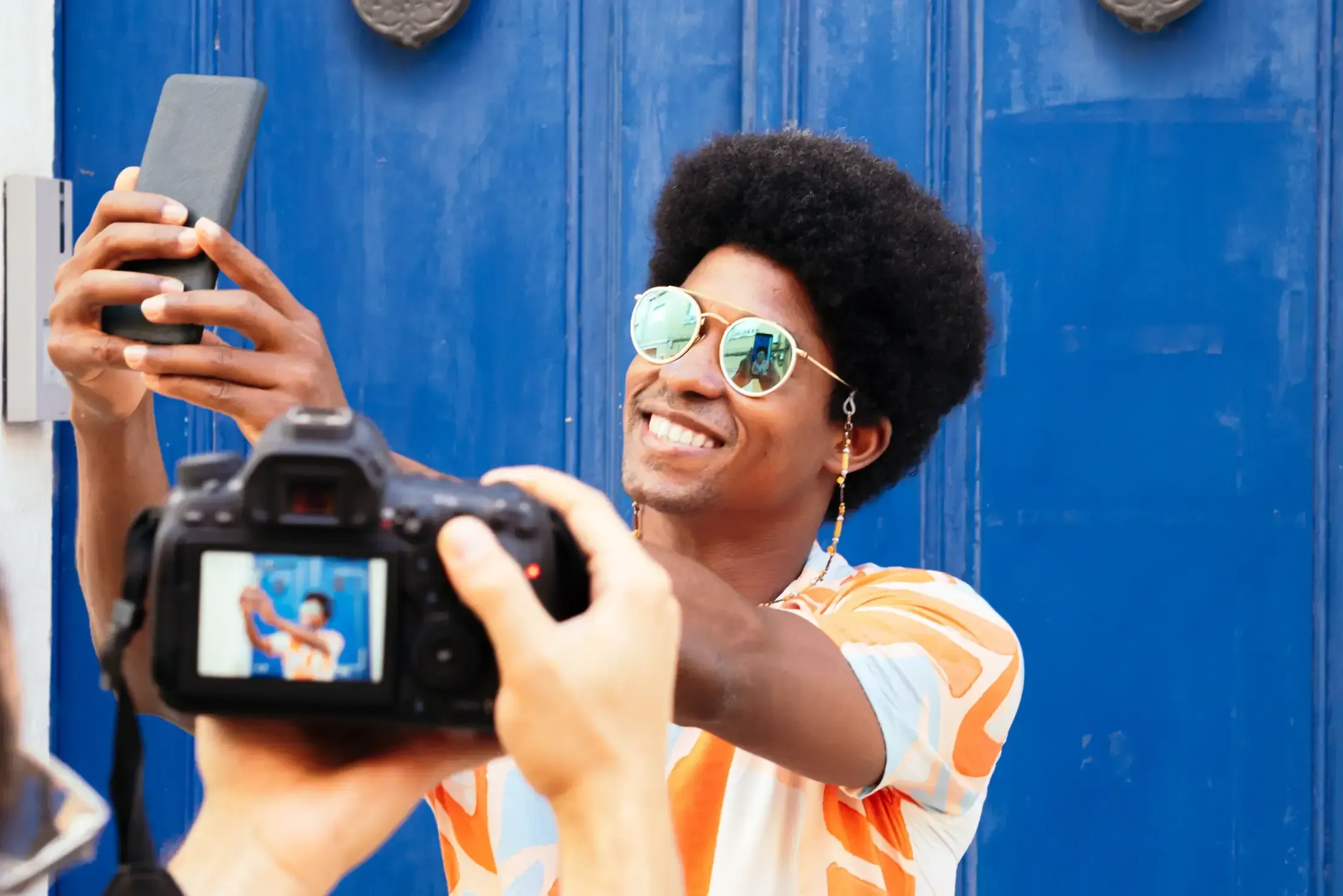
Hotel influencer marketing is the promotion of your property by a celebrity or social media creator on their own channels in exchange for payment, a complimentary stay or both.
This typically happens on platforms like Instagram, TikTok and YouTube, with some influencers also publishing dedicated blog posts. The content usually reflects their experience at your hotel, from check-in to amenities and dining. This approach works because their followers see it as a trusted recommendation rather than an advertisement.
Why is influencer marketing crucial for modern hotels?
Influencer marketing matters because today’s guests trust people more than ads.
Travelers spend hours following creators they relate to and trust. When one of those creators stays at your hotel, it builds credibility and an emotional connection in a way polished marketing campaigns rarely can.
As traveler research shifts toward social platforms, hotels that ignore influencer partnerships risk losing bookings to competitors who use them effectively.
Here are three ways influencer marketing drives bookings for hotels:
1. Builds trust and authenticity with travelers
Influencer content captures genuine moments at your property: a travel blogger enjoying morning coffee on an ocean-view balcony or a family relaxing by the pool.
Followers already trust these creators. A recommendation from someone they know feels more believable than a staged photo or stock image. This authenticity helps potential guests picture themselves at your hotel, making them more likely to book.
2. Drives targeted occupancy (beyond traditional advertising)
Influencers already have specific audiences. This lets you reach the exact guests you want without wasted spend.
For example, an oceanside hotel looking to fill rooms with young families during shoulder season can partner with a TikTok creator whose followers are parents of preschoolers. Traditional ads cast a wide net. Influencer marketing puts your property directly in front of the right guests.
3. Creates high-quality user-generated content (UGC)
Influencers produce content that feels natural, not promotional. Their followers respond better to this style than traditional campaigns.
Most creators are skilled photographers and videographers who know how to capture engaging moments. In many cases, their content outperforms professional shoots because it feels genuine rather than scripted.
How to create your hotel influencer campaign in 4 steps
Finding the right influencer is vital, but it won't work without a plan. You need to know what you want to achieve and how you'll measure it.
Here are four steps to create an influencer campaign that brings more guests to your property:
Step 1: Define your campaign goals (KPIs and budget)
“Drive more bookings” is too vague. Be specific. Maybe you want to fill junior suites or attract honeymooners during the low season.
Then pick the metrics that matter. Engagement rates? Direct bookings? Revenue per room? Discount code redemptions? Your KPIs should tie directly to your goal.
Next, set your budget.
Some hotels pay influencers in cash, while others offer complimentary stays with meals and experiences included. Decide this upfront before outreach begins.
Step 2: Identify the right influencers (fit over follower count)
Large follower counts look impressive, but they don’t guarantee bookings. Smaller creators with the right audience often perform better. Research shows 64% of marketers now work with micro-influencers because engagement rates typically exceed those of larger accounts.
For example, a wedding planning influencer with 50,000 engaged followers may drive more honeymoon bookings than a general travel creator with ten times the reach. Look for creators whose tone, audience and content style align with your brand.
Step 3: Establish terms, agreements and deliverables
Set expectations clearly. Your contract should outline platforms, number and type of posts, timelines and any messaging requirements.
If you’re offering a complimentary stay, specify the length, room type, and included services. Clear agreements prevent misunderstandings and protect both sides.
Step 4: Define the scope of work and content rights
Many hotels forget this step and regret it later.
Your contract should state where and how you can reuse influencer content: website, email, paid ads or social channels. Specify duration and attribution requirements so you’re free to repurpose high-performing content without renegotiation.
How to find the right hospitality influencer for your property
Finding the right influencer starts with knowing who you want to reach. Don't just browse Instagram hoping someone catches your eye. Use a methodical approach to match creators with your target guests.
Start with your target guest
- Identify the specific segment you want to reach.
- Survey existing guests to learn which platforms and creators they follow.
- Research influencers who already appeal to that audience.
Vet your shortlist
- Review content quality and consistency.
- Check engagement, not just follower count.
- Ensure their tone matches your brand.
Measuring Return on Investment (ROI): What metrics matter
Once the campaign begins, you need to track specific metrics to understand what's working. Don't wait until the campaign ends to pull numbers. Monitor these four KPIs throughout:
Which tools are essential for influencer management and tracking?
You can't manage what you don't measure. Without the right tools, you'll waste time chasing data across multiple platforms and miss opportunities to optimize mid-campaign.
These three tools help you track performance and coordinate with influencers:
1. Property Management System (PMS): Your cloud-based PMS tracks campaign ROI in real time. You'll see which bookings came from the influencer, the ADR for those rooms and how campaign revenue compares to your baseline.
2. Collaboration platforms: Tools like Trello keep timelines and deliverables organized. For larger campaigns, CreatorIQ and Grin handle multiple influencer relationships, contracts and content approvals in one place.
3. Social media analytics: Track engagement on the influencer's posts with platform-specific tools such as Instagram Insights and TikTok Analytics. For deeper analysis across channels, use Google Analytics or Hootsuite.
Common challenges in hotel influencer campaigns and how to solve them
Influencer campaigns often run into roadblocks that can affect the results. But knowing these pitfalls ahead of time helps you avoid costly mistakes.
Here are three common challenges and how to overcome them:
Success stories: Hotels that excel with influencers
Theory is one thing. Results are another. These two hotels show what targeted influencer partnerships can deliver.
Case study 1: Luxury segment focus
Delphin Hotels wanted to increase brand awareness and booking consideration ahead of the holiday season in a crowded luxury travel market.
The group partnered with a small number of travel influencers who documented their stays in Antalya, Türkiye. The paid-in-kind (gifted) campaign delivered:
- 8.6M+ organic impressions
- 238K engagements
- 2.77% engagement rate, well above travel benchmarks
Why it worked: Influencers were carefully selected for audience fit and authentic storytelling, resulting in content that resonated with high-intent travelers.
Case study 2: Boutique hotel niche
Hotel Indigo (Manchester) struggled to build consistent awareness and engagement through occasional influencer posts that lacked strategic focus.
By shifting to a structured micro-influencer program, the hotel achieved strong growth within six months:
- 1,100% increase in Instagram views
- 1,500% growth in engagement
- Nearly 30% follower growth
Why it worked: A systematic approach, neighborhood-focused storytelling and licensed content reused across channels ensured alignment with the hotel’s boutique identity.
Future of hotel influencer marketing
Influencer marketing for hotels is evolving fast. These three trends are shaping how properties choose creators, allocate budget and measure performance.
1. Rise of micro-influencers and authentic UGC
Hotels are shifting away from celebrity creators toward smaller influencers who deliver better engagement and stronger trust because:
- Micro-influencers (10,000–50,000 followers) typically generate higher engagement at a lower cost
- Their content feels more personal and less promotional, increasing booking intent
Many hotels now work with multiple micro-influencers instead of one large creator to diversify reach.
2. Platform evolution: TikTok vs. Instagram strategies
Different platforms now serve different booking audiences, requiring distinct content approaches:
- TikTok drives discovery and bookings among Gen Z and millennial travelers through short-form video
- Instagram remains effective for luxury and premium properties targeting older demographics
Hotels that adapt content by platform see stronger engagement and conversion rates.
3. AI-powered influencer discovery and performance tracking
Technology is reducing guesswork in influencer selection and ROI measurement:
- AI tools match hotels with creators based on audience data, engagement and past results
- Real-time tracking shows which influencers drive bookings and revenue
Performance data helps hotels scale high-performing partnerships and cut underperforming ones.
Strengthen your hotel influencer marketing with Mews
Running an influencer campaign is easy. Proving it paid off? That's where hotels get stuck. You need to know which bookings came from which creator, what revenue they brought in and whether you should work with them again.
Most properties end up patching together data from their booking system, social media analytics and invoices into endless spreadsheets.
The Mews hospitality operating system handles this differently. When guests book through an influencer's promo code or link, you see it right away in your dashboard. Booking source, room rate, total revenue and length of stay? It's all there. Mews connects your system using hotel automation, so campaign data flows in alongside everything else. No platform hopping. No manual updates.
This becomes crucial when deciding whether to renew a partnership or which creator to work with next. You can pull actual performance numbers instead of going with your gut.
Stop guessing campaign results. Book a demo with Mews to see what your influencer partnerships are really worth.
How do I approach luxury travel influencers?
How do I approach luxury travel influencers?
Start by studying their content, audience and tone. Reach out with a personalized pitch that explains why your property fits their brand. Then offer unique, experience-led stays instead of generic free nights, as luxury creators expect relevance, not volume outreach.
What is an acceptable compensation structure?
What is an acceptable compensation structure?
Compensation varies by creator size and deliverables. Micro-influencers often accept complimentary stays, while mid-tier creators typically require stays plus $500–2,000 fees. Macro-influencers command $5,000+ per campaign.
How long should a typical hotel influencer campaign last?
How long should a typical hotel influencer campaign last?
Pilot campaigns run 4-8 weeks for initial measurement. Successful partnerships often extend to quarterly or annual programs where creators feature your property multiple times. Longer partnerships build a stronger audience association between the creator and your brand.
How can hotels vet influencers for fake followers?
How can hotels vet influencers for fake followers?
Check engagement rates, not just follower counts. Look for real comments and consistent interaction. Use authenticity tools to spot sudden follower spikes, as genuine creators show steady growth and repeat audience engagement.
Should I use an agency or manage partnerships internally?
Should I use an agency or manage partnerships internally?
Start internally for 2-3 campaigns to understand workflows and attribution. Once you scale beyond five simultaneous partnerships, agencies add value through creator networks, contract management and reporting systems. Small properties usually manage in-house indefinitely.