Key takeaways
- Strategic hotel promotions drive bookings by targeting specific gaps and attracting both new and repeat guest segments.
- Combining creative offers with the right pricing strategies and marketing channels maximizes revenue and occupancy year-round.
- Tracking performance through metrics such as revenue per available room (RevPAR), average daily rate (ADR) and booking sources ensures each promotion delivers measurable results.
What separates a thriving hotel from one that struggles to fill rooms? More often than not, it comes down to how clearly the promotion matches guest demand and how smoothly the booking journey converts that interest into revenue.
Strong hotel promotion ideas need operational alignment behind the scenes, but they succeed or fail based on whether the offer is relevant, visible and easy to book.
In this article, we'll cover seven proven hotel promotion ideas, along with the pricing strategies and marketing channels that help you drive more bookings and maximize revenue.
Why do strategic hotel promotions increase occupancy?
Strategic hotel campaigns work because they address specific booking gaps with targeted offers. When demand drops during shoulder seasons, promotions give travelers a compelling reason to book immediately rather than wait for a better deal.
The data backs this up. According to Expedia Group's 2025 Traveller Value Index, early-booking discounts ranked as the most appealing promotion from hotel providers, with nearly 60% of consumers expecting to be more price-conscious in the next 12 months.
Hotel promos also attract guest segments you might otherwise miss. A couple's package draws honeymooners while a local staycation rate fills weekend gaps with nearby residents. The key is matching each promotion to your property's specific occupancy needs.
Every well-timed hotel promo you run is a direct opportunity to capture this demand and convert it into measurable room nights.
Checklist: elements every successful hotel promotion needs
Launching a hotel promotion without the right structure can leave guests without enough motivation or confidence to book. Before your next hotel campaign goes live, confirm these foundational elements are in place:
- Clear value proposition (what guests receive and why it matters)
- Specific booking dates (start date, end date and stay period restrictions)
- Transparent pricing (total cost visible upfront, no hidden fees)
- Simple redemption process (how guests actually book the offer)
- Defined target audience (who this promotion serves)
- Multiple distribution channels (website, email and social media)
- Defined tracking mechanism (how you will measure success)
- Clear terms and conditions (blackout dates, minimum stays and restrictions)
Together, these elements strengthen your hotel branding and represent some of the most practical ways to increase hotel occupancy throughout the year.
7 hotel promotion ideas that drive bookings
Effective hotel promotion ideas go beyond short-term discounts. They create the kind of guest interest that supports consistent occupancy and builds long-term loyalty.
The following seven strategies give you a practical starting point, whether you are looking to fill rooms during slow seasons or attract new guest segments to your property:
1. Invite star chefs to create buzz
A standout food-and-beverage collaboration can create the kind of buzz that puts your property on a guest's shortlist.
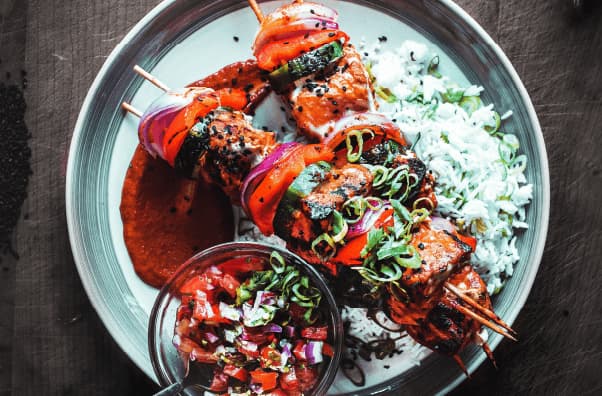
Your hotel restaurant is a key driver of ancillary revenue and can increase guest spending, making a star chef collaboration a powerful promotional opportunity. You can design packages that include a stay plus a tasting menu at your hotel's restaurant.
Guests may be initially attracted to the star chef, but once they discover your hotel, they may easily turn into repeat guests.
2. Leverage holiday periods for targeted offers
Holiday periods can be the perfect opportunity to attract guests and drive bookings during slower seasons. Define the value proposition you are trying to push for your hotel and use that to market your hotel as the right place to spend the holidays.
For example, if your hotel is a sun and beach destination, you can use the fact that it's winter in other parts of the world to drive direct bookings to your hotel. Or you can consider having a special New Year's Eve party, dinner or promotion so that people choose to spend New Year's at your hotel.
These promotions can help your hotel maintain strong occupancy levels, even during traditionally slower seasons.
3. Partner with influencers for limited-time discounts
Influencers are individuals who can shape consumer decisions and have become a highly effective tool for hotel marketing and promotion.
The important part is identifying the influencers who have influence with the target group you are trying to reach. Once you have identified who they are, invite them to your property and work with them on a series of campaigns, such as offering a discount code for their followers or running a competition for a stay at your hotel.
You can also tap into hotel blog ideas by collaborating with influencers on guest content and destination guides, strengthening your content marketing strategy and helping expand your reach to new audiences.
4. Run engaging social media contests
Social media marketing is a highly effective promotional tool that works hand-in-hand with influencer marketing.
Building social media marketing strategies around your audience's interests helps you create a community, learn what potential guests are looking for and turn those insights into increased website traffic and more direct bookings.
Use your social media channels to build a community, learn what potential guests are looking for and turn those insights into increased website traffic and more direct bookings.
Organize special contests and offer a night’s stay or a meal at your hotel restaurant as a prize to encourage people to engage with your brand. You may even consider creating a branded hashtag and asking guests to post a picture of themselves with the hashtag, giving them a chance to win a prize.
The more community you have on your social media channels, the more you can leverage those contacts to push sales.
5. Bundle services into value-driven packages
Special packages are an effective way to drive sales during the off-season. By bundling added services such as spa treatments, dining experiences or in-room offerings, you can increase the average spend per booking while also giving guests a stronger reason to choose your hotel over competitors.
You may even consider offering a romantic getaway or a honeymoon package. These themed promotions help attract different types of guests, and each package can be designed for a specific audience.
6. Collaborate with local businesses
Don’t overlook local guests or the value of partnerships with nearby businesses. Collaborating with them allows you to share promotional costs while extending your reach through their marketing channels.
You may partner with local restaurants, tourism offices, tour guides or even the local paper, all of which will help your promotions reach a wider audience.
7. Reward repeat guests with loyalty perks
Hotel loyalty programs are an effective way to strengthen guest retention and encourage repeat stays. Make sure the rewards offer real value and give guests a clear reason to choose your hotel over competitors.
As guests accumulate points, encourage them to redeem them on their next visit for added benefits, helping ensure they return.
Pricing strategies that strengthen hotel promotions
Smart pricing decisions are just as important as the promotions themselves, and knowing how to market a hotel starts with understanding which strategy fits your goals.
The table below breaks down three approaches and how each one connects to your broader media marketing strategies.
Pricing strategy
How it works
Why it matters
1. Discount structuring
Designs price reductions that create urgency through time-limited offers while protecting your standard rate perception
Prevents guests from waiting for better deals by using scarcity to convert hesitant browsers
2. Value-added pricing
Bundles complimentary services like breakfast, parking or spa credits with room rates rather than reducing the base price
Preserves rate integrity across distribution channels while increasing the perceived value of each booking
3. Dynamic pricing
Adjusts rates in real-time based on demand signals, competitor pricing and booking pace
Keeps your promotional rates competitive without constant manual monitoring so that you can respond to market changes even faster
How marketing channels amplify hotel promotion performance
Reaching the right guest with the right offer depends as much on where you promote as it does on what you promote. Each channel below plays a distinct role in how your hotel promotions perform.
Email marketing drives repeat bookings and engagement
- Sends personalized offers directly to past guests who already trust your property
- Segments your list by booking history and past preferences to match each promotion to the right guest
Paid advertising captures high-intent travelers
- Places your promotion in front of travelers actively searching for hotels in your destination
- Targets users by location and search intent to reach guests at the right moment
Content marketing builds long-term demand
- Attracts travelers through destination guides and travel tips that answer questions they search online
- Positions your property as a trusted resource before guests enter the active booking stage
- Generates qualified leads consistently over time at a lower cost than paid channels.
Measuring results: turn promotion data into profit
Knowing whether your promotions are working comes down to tracking the right numbers consistently. The metrics below give you a clear picture of what your campaigns are actually delivering:
Monitor revenue per available room (RevPAR)
RevPAR is the most reliable indicator of whether a promotion truly increased total revenue or simply filled rooms at a lower rate. If RevPAR rises during a promotional period, your campaign is generating genuine incremental demand.
Compare average daily rate (ADR)
Comparing ADR before and during a promotional period reveals whether discounts are attracting the right guests or gradually training them to expect lower rates. A significant ADR drop alongside rising occupancy is a signal worth investigating.
Track booking sources
Tracking booking sources reveals which channels deliver the best return and which underperform, allowing you to allocate your marketing budget more effectively.
Real-world results
The 9Hotel Collection demonstrates what consistent measurement and the right platform can deliver. Working with Mews, the group recorded a 65% increase in occupancy and a 39% rise in RevPAR.
As Romain Stern, Head of Sales & Revenue Management, put it, "We have been with Mews for several years and you can see how they’ve helped us to perform consistently well. Occupancy, revenue, guest satisfaction: it’s all there in the data."
From hotel promotion to confirmed booking with Mews
The best hotel marketing ideas only deliver results when your booking technology and operations work together. Mews helps connect booking, payments and guest data so promotional demand is easier to convert into direct revenue.
Mews Hotel Booking Engine, part of the Mews hospitality operating system, is built to turn promotional traffic into direct reservations.
Here's what it does:
- Mobile-optimized booking flow lets guests book and pay without leaving your website
- Real-time availability keeps rates accurate across all channels
- Built-in upsells add value to each booking without manual effort
- Currency conversion supports international guests at every stage
Book a demo to see how Mews helps you drive more direct bookings and get the most from every promotion you run.
What is the ideal length for a hotel promotion?
What is the ideal length for a hotel promotion?
The ideal length for a hotel promotion depends on the goal, but most effective campaigns run for two to six weeks to create urgency while allowing enough time for visibility and conversions. Shorter bursts can work for seasonal offers, while longer promotions are better for complex packages or early-bird bookings.
How do I track the success of a promotion in Mews?
How do I track the success of a promotion in Mews?
You can track the success of a promotion in Mews by using the reporting dashboard to filter reservation data by rate code, booking source and voucher code to isolate promotional bookings. Manager reports then provide key metrics such as RevPAR and ADR, allowing you to compare performance during the promotion against your baseline.
Can small independent hotels afford influencer collaborations?
Can small independent hotels afford influencer collaborations?
Yes, small independent hotels can afford influencer collaborations, especially by working with micro-influencers who often accept stays, experiences or modest fees instead of large budgets. These partnerships can be highly cost-effective because they tend to have engaged niche audiences and can drive strong local or targeted bookings.
Do loyalty perks dilute the ADR?
Do loyalty perks dilute the ADR?
Loyalty perks don’t necessarily dilute the ADR if they’re structured strategically. By offering rewards such as free nights, room upgrades or exclusive experiences as part of a points system rather than blanket discounts, hotels can maintain rates while still incentivizing repeat bookings.
Which channels work best for last-minute promotions?
Which channels work best for last-minute promotions?
Last-minute promotions perform best on channels that reach ready-to-book audiences quickly, such as your hotel’s website, email newsletters and social media. Online travel agencies (OTAs) and mobile booking apps are also effective, as they attract travelers actively searching for immediate stays.
Written by

Eva Lacalle
Eva has over a decade of international experience in marketing, communication, events and digital marketing. When she's not at work, she's probably surfing, dancing, or exploring the world.