Key takeaways
- Shoulder season is the period between peak and off-peak travel, typically offering a balance of good weather, moderate demand and fewer crowds.
- Shoulder seasons provide travelers with lower prices and a more relaxed experience compared to peak season, without the limitations often seen in off-season travel.
- For hotels, shoulder season is a key opportunity to increase revenue through smarter pricing, targeted campaigns and upselling rather than relying on high demand alone.
- The exact timing of shoulder season varies by destination and is influenced by factors like weather, school calendars and local events.
- When leveraged correctly, shoulder season can become one of the most valuable periods for both guest satisfaction and operational efficiency.
Shoulder season – the period between peak and off-season – is one of the most underleveraged windows in the hospitality calendar. Occupancy dips, but demand doesn't disappear. For hotels that know how to position themselves, it's where some of the strongest margin opportunities exist.
This guide covers how to identify your hotel's shoulder season and how to turn it into a consistently profitable part of the year.
What is shoulder season?
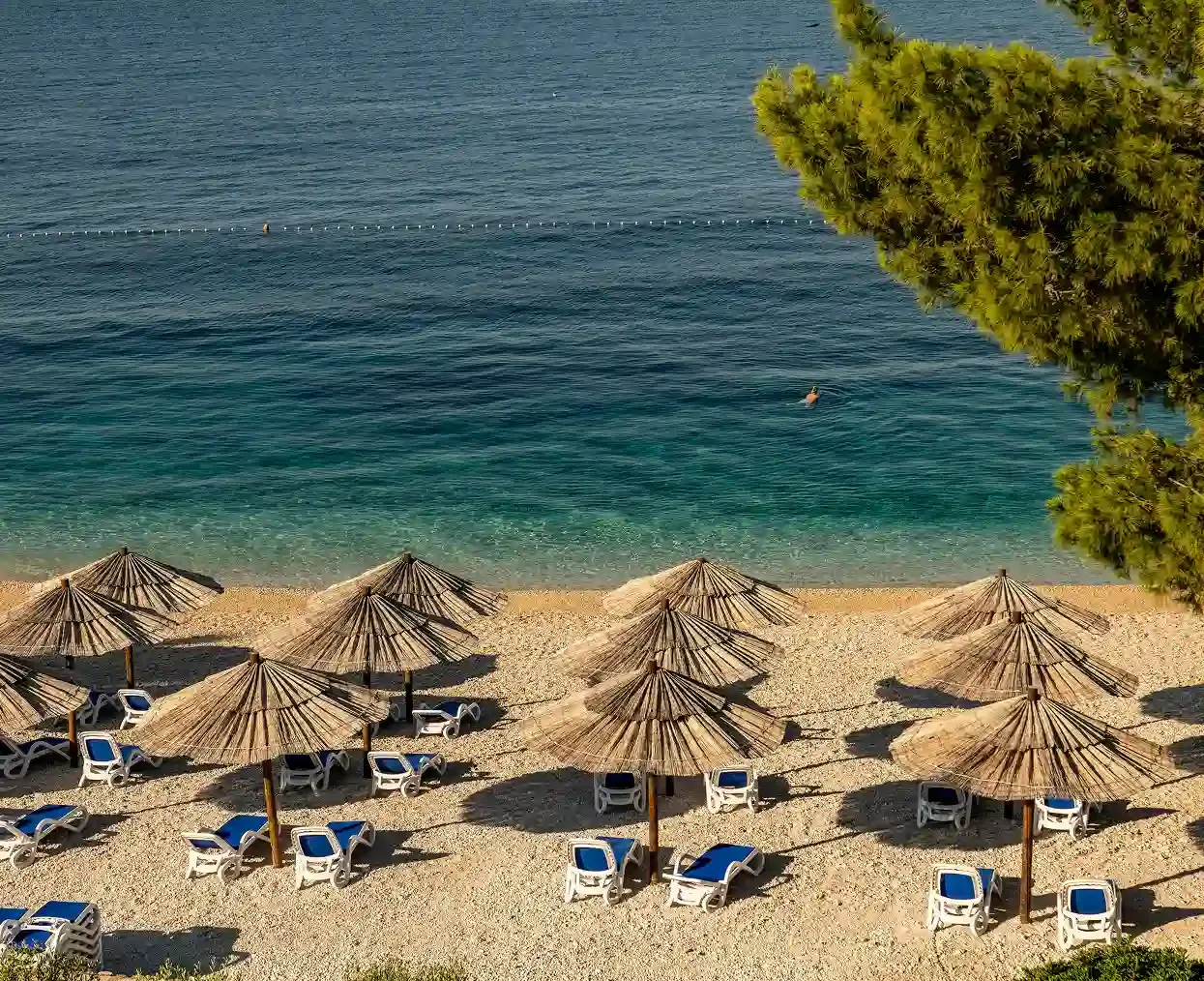
Shoulder season is the period between peak and off-season – think spring before the summer rush or early autumn after the back-to-school crowd clears. Demand eases but doesn't disappear, weather is typically favorable and local attractions remain open.
It's distinct from off-peak, where occupancy drops sharply and rates fall to their floor. Shoulder season still has viable demand – it just requires smarter positioning to capture it.
For guests, it means lower prices and fewer crowds. For hotels, it means more operational breathing room and stronger margin potential than peak season pressure allows.

When is shoulder season?
Shoulder season varies by destination – but it typically falls in the weeks immediately before or after peak demand. For most markets, that means spring and early autumn.
A few reference points by region:
- Southern Europe (Italy, Greece, Spain): April–May and September–October
- Tropical destinations (Caribbean, Hawaii, Southeast Asia): May–June and October–November
- Japan: mid-May to mid-June, after cherry blossom season
- US national parks: April–May and September–October
- New York and New England: spring and early fall
Weather is only one factor. School holidays, local events and regional travel patterns all shift the window – sometimes significantly. A hotel near a major festival or conference center may see shoulder season behave nothing like the regional average.
How to calculate your hotel's shoulder season
Your shoulder season isn't a calendar guess – it's a data point. Pull your historical occupancy, ADR and length-of-stay trends, then cross-reference against local school holidays, public holidays, event cycles and competitor pricing patterns. Where demand consistently softens is your window.
Once identified, use it to launch targeted campaigns, upsell and cross-sell smarter and drive more revenue per guest without dropping rates to fill rooms.

How to maximize your hotel’s revenue during shoulder season
To maximize your revenue during hotel shoulder season, there are several strategies you can implement.
1. Use dynamic pricing
Static rates don't hold up when demand is shifting week to week. Hotels using dynamic pricing during shoulder season consistently outperform those on fixed rates by adjusting for booking velocity, competitor movement and local events in real time. Mews RMS automates that process, so rate changes happen without manual intervention.
2. Target niche audiences
Shoulder season has a natural audience: digital nomads, retirees and solo travelers who actively avoid peak periods. A campaign that speaks directly to that group – highlighting quiet spaces, co-working areas and off-the-beaten-path experiences – will convert better than a generic discount. Adjust your visuals and messaging to reflect what that guest actually wants from the stay.
3. Offer more perceived value
Dropping rates is the easiest lever and rarely the smartest. A package that includes late check-out, a drinks credit or a spa voucher can justify a higher room rate while lifting on-site spend. The cost to the hotel is low – the perceived value to the guest is disproportionately higher.
4. Partner with local businesses
Strategic local partnerships extend your offering without adding operational complexity. A wine tasting, city tour or restaurant deal packaged into the room rate gives guests a reason to book your property specifically – not just the destination. Tailor the package to your shoulder season traveler, not your peak season one.
5. Make the timing part of the pitch
Guests don't just want a lower rate – they want a reason to feel good about booking now. Update your website, online hotel booking engine and email campaigns to lead with what makes this window special: fewer crowds, easier access to attractions and a more personal experience. For example, a coastal hotel in September can lead with "beat the summer crowds" rather than leaning on a percentage discount.
6. Align operations with actual demand
Shoulder season is where operational efficiency directly protects margin. Cross-train staff to cover multiple roles, focus housekeeping resources on occupied floors and scale food and beverage hours to match realistic covers. A 70% occupancy property running at 100% operational capacity is leaving money on the table.
7. Use technology to manage it all
Mews Operating System brings pricing, operations and guest experience together in one place – giving you the visibility to make faster, smarter decisions across shoulder season. Its built-in revenue management system, powered by Atomize, handles dynamic rate setting, identifies upsell opportunities and flags group pricing potential without requiring a dedicated revenue manager to run it.
Ready to make shoulder season your strongest season? Get a demo today.
Download our guide "How to Diversify Hotel Revenue"
What is shoulder season?
What is shoulder season?
Shoulder season is the period between a destination's peak and off-season, typically spring and early autumn. Demand is lower than peak but attractions remain open, weather is generally favorable and prices are more competitive.
Why is shoulder season the best time to travel?
Why is shoulder season the best time to travel?
For most travelers, shoulder season hits the sweet spot: lower rates, fewer crowds and a more authentic local experience without the trade-offs of off-peak travel. Accommodation is easier to book, popular attractions are accessible and the overall pace is more relaxed.
When is shoulder season for hotels?
When is shoulder season for hotels?
It varies by destination and property type. For most European and North American markets, shoulder season falls in April–May and September–October. The most reliable way to identify yours is to look at where your occupancy, ADR and length of stay consistently dip – that's your window.
How can hotels make the most of shoulder season?
How can hotels make the most of shoulder season?
Dynamic pricing, revenue management systems and targeted campaigns for niche audiences and value-add packages are the highest-impact levers. Hotels that treat shoulder season as a revenue opportunity – rather than a quiet period to weather – consistently outperform those that don't.
Written by

Jessica Freedman
Jessica is a trained journalist with over a decade of international experience in content and digital marketing in the tourism sector. Outside of work she enjoys pursuing her passions: food, travel, nature and yoga.