Key takeaways
- Airbnb offers home-style accommodations with kitchens and flexibility for longer stays, while hotels provide consistent service, central locations and professional hospitality.
- Total trip costs depend on nightly rates, fees and duration, with Airbnb often cheaper for extended stays and hotels more convenient for short trips or solo travelers.
- Differences in amenities, safety and service mean travelers should select accommodations based on travel goals, group needs and desired level of comfort.
When planning a trip, one of the first questions that comes up is whether you should look for an Airbnb or a hotel.
Airbnb has revolutionized travel by offering home-style accommodations with kitchens and longer-stay flexibility. On the other hand, hotels provide consistent service, central locations and professional hospitality standards.
The right answer depends on many factors, including your travel party, type of trip, expectations and location.
This article examines Airbnb and hotels in terms of cost, amenities, safety and travel scenarios, showing when each option is ideal and what hotels can learn from Airbnb’s approach.
The rise of Airbnb in travel
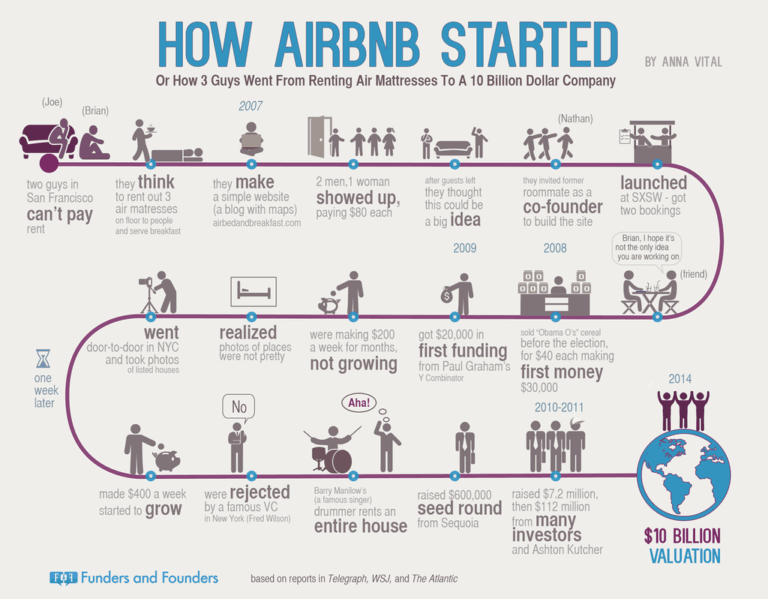
It all began in 2007 when Brian Chesky, Joe Gebbia and Nathan Blecharczyk rented out sofa beds in their San Francisco apartment to earn extra income. Their simple idea soon turned into a home-sharing business that let people rent out a spare room or their entire home while away.
The concept's popularity quickly grew since travelers loved staying in local neighborhoods, connecting with hosts and feeling part of the community they visited.
Today, Airbnb operates in over 150,000 cities and towns across more than 220 countries and regions, with over 8,000,000 active listings hosted by more than 5,000,000 hosts who have welcomed over 2 billion guest arrivals worldwide. This means it offers more beds than the top international hotel chains combined.
Airbnb vs. hotel: key differences at a glance
Choosing between Airbnb and a hotel comes down to more than just price. Here's how the two options stack up across the factors that matter most to travelers:
Advantages of Airbnb and hotels
Both Airbnb and hotels bring real benefits depending on your travel style and needs. The table below shows where each one stands out:
Cost comparison: nightly rates, fees and taxes
The true cost of your stay goes well beyond the nightly rate. Fees, taxes and the length of your stay all affect the total cost, so it’s wise to calculate the full amount before booking.
City nightly rates
- Private rooms on Airbnb start at $50 to $80 per night, while entire apartments in urban areas average $100 to $200.
- Budget hotels in major cities begin at around $80 to $120 per night, with mid-range properties averaging $150 to $250.
- Luxury hotels typically command $300 to $500 or more per night, depending on location and star rating.
Cleaning and service fees
- Airbnb charges a one-time cleaning fee of $50 to $150 per stay, regardless of the number of nights you book.
- Service fees on Airbnb add another 14-16% on top of the reservation subtotal.
- Hotels generally include housekeeping in the nightly rate, though some add resort fees of $20-50 per night.
Total trip costs
- A three-night hotel stay at $200 per night totals around $600 before taxes, while a comparable Airbnb at $150 can reach a similar total once cleaning and service fees apply.
- For week-long stays, Airbnb becomes more competitive, since the one-time fees spread across seven nights compared to nightly hotel fees that stack up each day.
According to a 2025 survey by Upgraded Points, nearly two-thirds of Americans assume hotels are cheaper, yet Airbnb was more affordable in 71 of the 100 largest U.S. cities.
The bottom line is that the best deal depends on your trip length, group size and how much you value convenience over cost savings.
Airbnb vs. hotel amenities and services
What you get with your stay varies significantly depending on which option you choose.
The table below breaks down how Airbnb and hotels compare across the amenities that matter most to travelers:
Safety, regulations and support: Airbnb vs. hotel
Safety standards and support systems can vary widely between a hotel and an Airbnb.
Knowing what each option offers helps you choose the right fit for your trip:
Host reviews and regulations
- Airbnb maintains quality through peer reviews, where guests rate hosts on cleanliness, accuracy and communication.
- Listings with consistently low ratings become less visible on the platform or are removed entirely.
- Hotels must meet building codes, fire safety standards and health inspections set by local authorities.
- Brand standards and professional management teams ensure consistent quality across all properties.
24/7 security and support
- Airbnb provides customer support, but response times vary and hosts may not be reachable after hours.
- The platform offers a safety line, though it cannot send immediate on-site assistance.
- Hotels offer round-the-clock front desk support for any issue that comes up during your stay.
- Many hotels also have on-site security staff monitoring the property at all times.
Which is the best choice by trip scenario?
The right choice between Airbnb or hotel often comes down to why and how you are traveling. Each trip type has a natural fit, and the scenarios below help narrow it down.
Solo or business travel
Hotels keep things simple, secure and professional, with everything you need within reach. A solo traveler heading to Chicago for a conference, for example, benefits from a central hotel with a business center and daily housekeeping.
Short romantic getaways
A special weekend deserves a touch of luxury, and hotels provide the refined service and ambiance to create the perfect atmosphere. A boutique hotel in Napa Valley, for instance, offers spa access, room service and luxury touches that make a short trip feel memorable.
Families and groups
Traveling with a group is far easier when everyone shares the same space. A whole-home Airbnb with multiple bedrooms and a full kitchen, like a beach house in Florida, keeps the group together while cutting costs.
Extended remote stays
Long trips demand comfort and functionality beyond what a standard hotel room can offer. A furnished Airbnb apartment in Lisbon with fast internet and a dedicated workspace, for example, makes a month-long remote stay genuinely productive.
Travelers who want to cut costs further may also want to look into what a hostel is, since it offers a more social and budget-friendly alternative to both Airbnb or hotel stays.
Tips to save money on either option
A few smart moves before and during bookings can make a difference to your travel budget. These tips work whether you are comparing Airbnb or hotel stays.
- Book directly through hotel websites to avoid third-party fees and unlock member-only rates.
- Search Airbnb for weekly or monthly discount options, which can reduce the nightly cost by 20-40%.
- Travel during shoulder seasons when both hotel and Airbnb hosts tend to lower their rates to attract bookings.
- Join hotel loyalty programs to earn points toward free nights and room upgrades on future trips.
- Message Airbnb hosts directly before booking to ask about discounted rates for longer stays.
What hotels can learn from Airbnb
Airbnb has transformed travel with unique stays and personalized experiences.
Here are key strategies hotels can adopt to stand out, delight guests and deliver more memorable stays:
Ditch generic for different
Many people stay at home-rentals because they want something unique instead of a cookie-cutter hotel room. Airbnb can offer that, as every apartment and home on the platform is different, appealing to a wide target market.
Hotels don’t need to undergo a complete renovation to make every room unique for different types of travelers, although that could be an interesting approach.
Instead, they need to focus on advertising their key value proposition. They need to identify what sets their property apart from the competition, whether it's style, location, their wellness offerings or unique dining experiences.
Do what Airbnbs can't (yet)
Some travelers have learned the hard way that renting from homeowners looking to make a few extra bucks isn't the same as staying in a hotel with trained hospitality professionals.
Hoteliers can turn this to their advantage by hiring trained staff and upholding brand standards, ensuring consistent service that sets them apart from Airbnb listings.
Become a local expert
Providing engaging information on nearby attractions and activities is essential. This information should be available on the hotel website to help generate traffic and draw in room shoppers planning their stay.
Pre-arrival communication offers an opportunity to showcase local expertise and allow guests to arrange tours and activities before their stay. Hotels can also partner with chefs, tour guides, yoga teachers or artists to create memorable experiences for guests.
Make it feel like home
Airbnb’s appeal partly comes from the home-like feel of its apartments, which makes travelers feel more comfortable than in a standard hotel room.
Hotels can capture this comfort by creating warm, inviting spaces and offering thoughtful complimentary services. Adding versatile areas for lounging or co-working further enhances the guest experience and opens new revenue opportunities.

Enable instant guest messaging
With the tech tools available today, communication with guests can be easy and efficient. Airbnb sets a strong example here. Its chat-email hybrid allows hosts and guests to communicate quickly and personally, making guests feel they can reach their host anytime.
Hotels, on the other hand, rely on websites that act more like barriers than invitations to connect. By using technology like mobile check-in and virtual concierge, hotels can encourage guest interaction and close those communication gaps.
Power your hotel to compete with Airbnb using Mews
Travelers today have more choices than ever, and Airbnb has set a high bar for flexibility, personalization and a seamless booking experience. To win guests back, hotels need technology that matches those expectations while delivering the service quality that only a hotel can offer.
That's where the Mews Property Management System (PMS) comes in. Built for modern hospitality, this cloud-native PMS gives your team the tools to run leaner, serve guests better and grow revenue across every touchpoint.
Here's what it brings to your property:
- Improved front desk efficiency through unified bookings, payments and housekeeping in one workspace
- A built-in hotel booking engine that drives direct bookings and reduces reliance on online travel agencies (OTAs)
- Automated guest communications before, during and after each stay
- Access to 1,000+ integrations through the Mews Marketplace to build your ideal tech stack
Book a demo today and see how Mews helps you streamline operations, increase revenue and deliver guest experiences that keep travelers choosing your hotel over Airbnb.
Understanding the Modern Guest

We have created this guide to help you maximize your revenue by understanding what travelers want and need today.
Is Airbnb cheaper than a hotel?
Is Airbnb cheaper than a hotel?
Airbnb can be cheaper than hotels for longer stays or when traveling in groups, as the cost is often spread across multiple guests or nights. For short trips or solo travelers, hotels may offer better value once fees and amenities are considered.
Are hotels safer than Airbnb properties?
Are hotels safer than Airbnb properties?
Hotels generally provide more consistent safety standards, including regulated building codes, fire safety and 24/7 on-site staff. Airbnb properties vary widely by host and location, so safety can be less predictable and relies heavily on reviews and host responsiveness.
Which is better for families: Airbnb or hotel?
Which is better for families: Airbnb or hotel?
Airbnb often works better for families needing multiple bedrooms, kitchens and shared living spaces, offering more flexibility and cost savings. Hotels suit families who prefer daily housekeeping, on-site dining and amenities like kids’ clubs or pools that reduce the need for cooking and cleaning.
How does Mews help hotels compete with Airbnb?
How does Mews help hotels compete with Airbnb?
Mews helps hotels match Airbnb’s convenience by offering mobile check-in, instant guest messaging and personalized experiences at scale. Its automation tools and integrated systems streamline operations, allowing hotels to maintain professional service standards efficiently.
Can Mews help hotels offer more flexible and personalized stays?
Can Mews help hotels offer more flexible and personalized stays?
Yes, Mews enables hotels to offer flexible and personalized stays through tools like a virtual concierge, automated guest messaging and integrated systems that track preferences. These features allow hotels to tailor services to individual guests consistently and efficiently.