





Key takeaways
- Personalization is now expected. Guests want experiences tailored to them at every stage, not one-size-fits-all stays.
- Sustainability influences booking decisions. Eco-friendly operations and connections to local culture matter more than ever.
- Longer stays and remote work are reshaping demand. Hotels that support work-from-anywhere guests can unlock new revenue streams.
- Technology is critical to efficiency and experience. Mobile check-in, automation and smart systems are becoming table stakes.
As a modern hotelier, keeping up with the latest hotel trends is essential. Trends serve as a guiding North Star, helping you refine your approach and assess your hotel’s standing in the market. While these trends shift quickly - what’s popular today may fade tomorrow - staying updated is crucial to keeping your hotel relevant and exceeding guest expectations.
A vital part of remaining competitive is offering standout features and services that differentiate you in the bustling hotel industry. This article explores the top trends for 2026, so you’re ready to step confidently into the new year, ahead of the curve.
What are the main hotel trends for 2026?
There are many new trends emerging in the hospitality industry right now. Let’s take a look at each one and see how you can set your hotel apart from the competition.
1. Personalization continues to reign
Personalization is being taken to new heights with hyper-personalization in 2026, from offering a welcome gift or message to asking for your guests’ temperature preferences beforehand.
To create a more personal experience, focus on every touchpoint - from booking to check-out - with the central question in mind: “How can I make this experience more meaningful?” This involves reimagining each part of the guest journey and exploring the role technology can play in enhancing their stay and connection to your brand.
Learn more about personalization

2. Sustainability
As climate change continues to be the most pressing global issue, more and more guests will look to stay at hotels that prioritize sustainable offerings. This could mean choosing hotels that have eco-certifications and other measures like providing eco-friendly amenities, using sustainable cleaning products, being energy-efficient, and conserving water. For 2026, think about what your hotel can do to prioritize earning an environmentally friendly reputation.
Discover more sustainability practices.
3. Think local
Embracing local consumption is closely tied to sustainability and is also emerging as a significant trend in the hotel industry. Partnering with local designers and artisans, as well as featuring locally sourced food in your hotel’s breakfast buffet and restaurant, can greatly enhance your brand while positively impacting the environment. Additionally, finding ways to involve the local community will create a richer, more authentic experience for your guests, making them feel like an integral part of your hotel's story.
4. Remote work and long stays
Another major trend inspired by the pandemic is the rise of remote work and long stays. Digital nomads have become a valuable segment for the hospitality industry, and hotels that meet the needs of these travelers have an opportunity to stand out. By creating experiences and spaces tailored to remote workers, you can attract this growing audience and gain a competitive edge.
Discover ways to make your hotel an ideal destination for remote workers.

5. Technology-forward hotels
AAs technology advances, so does the modern guest's expectation for a seamless, tech-driven hotel experience. From virtual concierges offering 24/7 support to mobile check-ins and dedicated hotel management software, these innovations are redefining convenience and personalization. Smart room features like voice-activated controls for lights and music, interactive walls and mirrors and keyless room entry are also becoming essentials for today’s guests.
Smart in-room tablets and TVs further elevate this experience, giving guests easy access to hotel services, room controls, dining options and entertainment from a single interface. These tools not only enhance convenience for guests but also help hotels streamline service requests and reduce friction across the stay. Looking ahead to 2026, these tech enhancements will continue to gain importance, shaping guests' choices and preferences.
Learn more about how to integrate smart technology into your hotel rooms.
6. Wellness first
Wellness will continue to be a priority for guests in the coming years, meaning that your hotel could benefit from shifting towards offering more holistic packages. This could be offering in-room massage, sunrise yoga, wellness shots at your hotel’s bar, as well as vegan and vegetarian menu options. Hop on the bandwagon by leveraging low-season wellness retreats to boost revenue during the off-season.
7. Health and safety
Cleanliness and feeling safe remain top priorities for guests. Now, more than ever, guests appreciate a focus on health and safety as part of a seamless, comfortable experience. Hoteliers can meet these expectations by ensuring properties are consistently spotless and well-maintained. Consider enhancing cleaning schedules, equipping staff with high-quality disinfectants, and promoting a clean, welcoming environment. Here are five steps to optimize your cleaning service.
8. The changing concept of a hotel
You’ve probably heard of glamping (yep, that’s glamorous camping), bleisure (business meets leisure) and blended trips (adding on a few days to a business trip to enjoy the destination). These terms will continue to grow and change as the concept of a hotel and travel continues to morph. Adapting to this new mindset will be an important part of the future of hotels in order to attract different audiences.
As the concept of a hotel evolves, there’s a growing opportunity to blend experiences that attract a wider range of guests. This could mean creating luxury accommodations in rural or remote settings, merging coworking spaces with hotel rooms tailored for extended stays, or introducing stylish, hyper-local, design-forward experiences within a budget-friendly hotel. Each approach embraces the changing expectations of travelers, redefining what a hotel can be while catering to the diverse needs of today’s guests.
9. Smart rooms
Smarter is better. With the advent of the Internet of Things, a plethora of opportunities have opened up to personalize the guest experience. Smart rooms essentially mean everything goes digital. Guests want ease, and with voice control they can control the lights and temperature of the room from the comfort of their bed.
10. Keyless entry
Keyless entry provides guests with a digital room key, eliminating the need to cut physical keys and reducing the risk of lost or misplaced keys. Integrated through your PMS, this feature is becoming a standard as traditional keys fade into the past. Keyless entry not only streamlines the check-in experience but also enhances security and convenience, letting guests access their room directly from their mobile device.
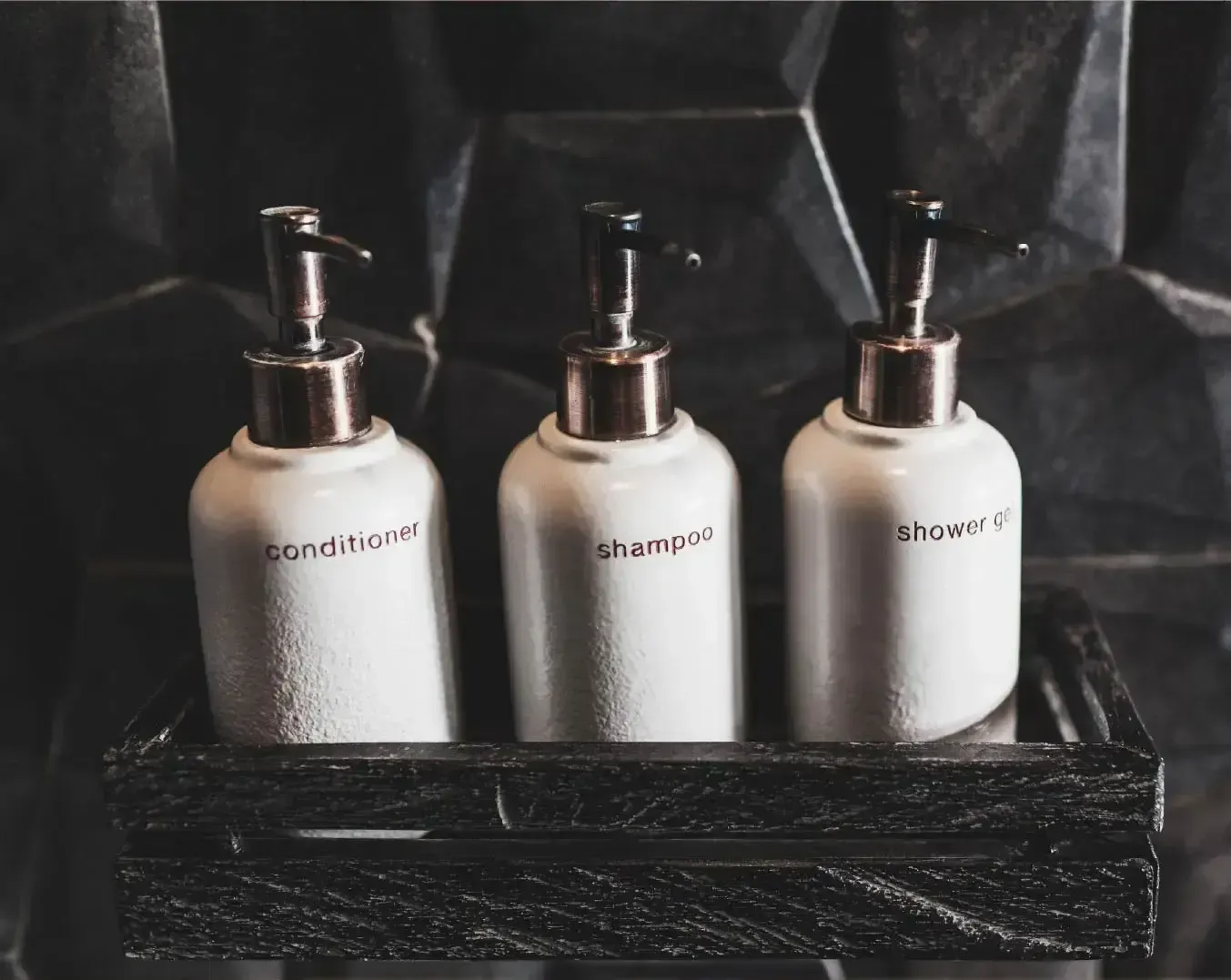
11. Going plastic-free
Many hotels are making strides towards becoming plastic-free. Single-use straws, water bottles, mini toiletries and takeaway containers are being replaced with eco-friendly options like compostable containers, glass straws and refillable dispensers. These changes meet guests' expectations for greener hospitality.
12. Motion sensors
Motion sensors are an eco-friendly option, automatically cutting power when no movement is detected for a set period.
13. Vegan and vegetarian options at the hotel restaurant
Vegan and vegetarian options are becoming a mainstay in hotel bars, restaurants and cafes. From plant-based burgers to creative vegan dishes, this health-conscious trend is here to stay. With rising dietary needs, like lactose intolerance, many hotels now go beyond dairy milk, offering choices like oat, almond and non-dairy creamers at breakfast and throughout their dining options.
14. Solar power
Solar power is an increasingly popular sustainability measure in hotels. It not only appeals to eco-conscious guests but also significantly reduces energy bills, one of the largest fixed costs for hotels. Highlighting these green initiatives shows your commitment to a sustainable future and resonates with today’s environmentally aware travelers.
15. The use of robots
Robots, once futuristic, are now becoming a hotel staple. They enable contact-free room service by delivering amenities or food and can even roam hallways, cleaning as they go.
16. Artificial Intelligence
Artificial intelligence is taking the world by storm, and now hotels can leverage AI to better predict prices. AI has the ability to analyze large data sets, including historical data, forecasting and market data that can help better set prices. AI can also be used for chatbots, plus improving website conversions through A/B testing.
17. Wi-Fi everywhere
Wi-Fi is now a basic expectation everywhere - by the pool, on the terrace, or outside the hotel. It also needs to be ultra-fast, with fiber-optic technology providing speeds up to 1000 Mbps to meet guests’ demands.
18. Contactless payments
Guests now rely on their smartphones for everything, making digital payments a must. Using Apple Pay or Google Pay for quick and secure transactions has become the norm, while digital wallets for cryptocurrency and PayPal are also gaining popularity.
19. Multi-use spaces
The lobby, which has historically just been used for check-in and check-out, is fast becoming a high-traffic place thanks to things like specialty coffee shops, co-working space and multi-use spaces. With mobile technology, the traditional lobby is no longer necessary. When not used, it mostly becomes a dead space. This is why finding ways to dynamize your lobby and other hotel areas is key.
20. Hangout spot for locals
Hotels are increasingly transforming into local hangout spots, not just tourist destinations. Locals may stop by for coffee, work from the hotel café, or enjoy live music on the rooftop. Hosting events to engage the community is also an excellent way to drive revenue throughout the year.
21. Influencers as the new advertising
Influencers are here to stay, and they’re like mobile billboards bringing your brand to life on social media. Beyond general marketing, finding niche influencers who align with your ideal guest profile can amplify your message and expand your reach. Influencer partnerships can be more impactful than traditional ads, making your hotel top-of-mind for new guests and enhancing your brand image in an authentic way.

22. Last-minute travel
With booking apps at their fingertips, today’s travelers often make spontaneous plans. To capture this audience, ensure you’re ready to handle last-minute bookings, especially during peak seasons. Having a flexible, responsive booking system and a staff that’s prepared to manage quick check-ins can help you welcome last-minute guests with ease.
23. The rise of the star chef
Celebrity chefs and culinary tourism have taken center stage, transforming dining into an attraction of its own. By bringing renowned chefs to your restaurant, creating tasting menus, or even offering local food tours, you can give your guests an elevated experience they’ll remember - and talk about long after their stay.
24. Elevating the bar experience
As culinary experiences soar, so does the art of mixology. Today’s guests crave cocktails that are as unique as they are flavorful. Bring in mixologists who create custom syrups, infusions, and signature drinks to make your bar a memorable highlight of any stay. Welcome cocktails or signature mocktails can be a perfect touch to impress your guests right from the start.
25. Metasearch engines and booking engines
Travelers now rely on fast, intuitive booking tools like metasearch and direct booking engines. In a world where convenience is key, having a user-friendly, fast-loading website with a seamless booking experience will capture today’s online traffic and drive direct bookings.
Conclusion
These trends all point to one clear shift: hotels need systems that make personalization, automation and efficiency easy to execute at scale. The right technology doesn’t just support better guest experiences - it unlocks new revenue, reduces operational friction and helps teams do more with less.
A modern hospitality platform like Mews brings these trends to life by turning insight into action, without adding complexity. See how these trends work in practice - get a demo today.
Download our guide "The new era of hospitality metrics for general managers"
FAQs: Hotel trends
What are the biggest hotel trends shaping the industry right now?
Personalization, sustainability, flexible stays and automation are driving how hotels operate and compete.
Why is personalization so important for hotels today?
Guests expect experiences tailored to their preferences, and personalization directly impacts satisfaction, loyalty and revenue.
How are longer stays and remote work affecting hotels?
Hotels are adapting spaces, pricing and services to support work-from-anywhere guests and extended stays.
What role does technology play in modern hospitality?
Technology enables seamless guest journeys, reduces manual work for staff and helps hotels scale efficiently.
How can hotels keep up with these trends without adding complexity?
By using a centralized, modern platform that connects guest data, automates workflows and adapts as guest expectations evolve.
Written by

Eva Lacalle
Eva a plus d’une décennie d’expérience internationale dans le marketing, le marketing numérique, la communication et l’événementiel. Lorsqu’elle ne travaille pas, elle aime surfer, danser ou explorer le monde.