
Key takeaways
- Hotel rooms are categorized based on factors such as occupancy, bed type, layout, amenities and the level of luxury to match guest needs and expectations.
- Different types of rooms allow hotels to manage rates and inventory effectively while maximizing revenue across budget, mid-range and premium offerings.
- Clear descriptions and standardized categories help guests choose the right room and improve overall satisfaction during their stay.
Have you ever wondered why choosing the right hotel room can make or break your entire travel experience? From cozy single rooms to lavish presidential suites, understanding the different types of rooms available helps travelers make smarter, more satisfying booking decisions.
Hotels today offer a variety of accommodations designed to meet every need, budget and preference, whether you're a solo business traveler or a family planning a memorable vacation.
Hotel suites, in particular, elevate the stay with premium amenities and exclusive layouts that go far beyond the basics.
Knowing what each room type offers empowers you to choose wisely and get true value for your money. In this article, we break down 15 key hotel room types every traveler should know.
What factors define hotel room types?
Understanding what defines each room type helps both guests and hotel departments make better decisions around booking, pricing and guest satisfaction.
The table below breaks down the most common factors used to define and classify different hotel room types:
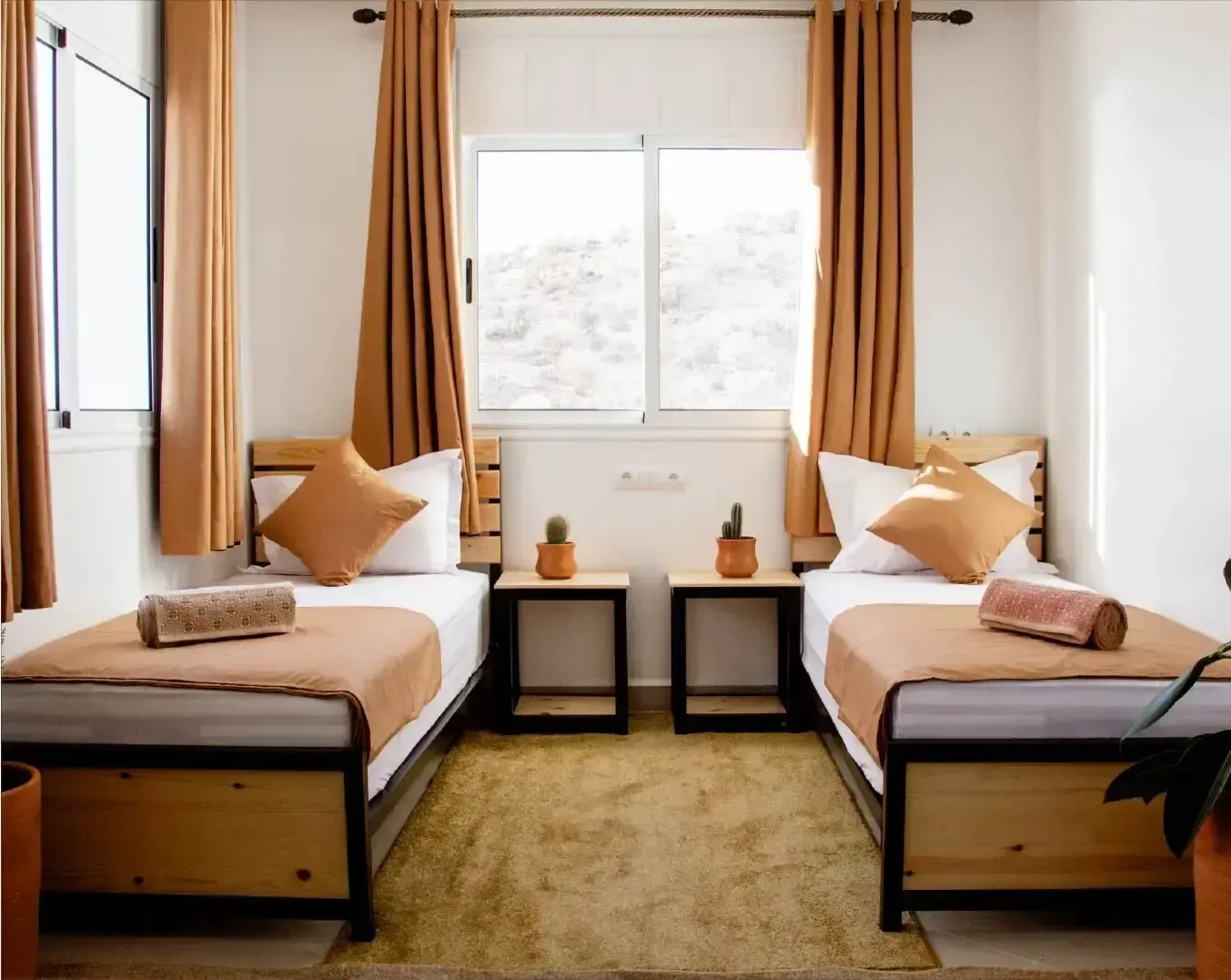
15 different types of rooms in hotels
Hotels offer a wide range of room types to suit different guests, group sizes, budgets and preferences.
The following 15 room types cover the most common options guests encounter when booking a hotel stay:
1. Single room
A single room is designed for one person, with either a twin bed or a double bed. Hoteliers typically have different prices for a single room with a twin bed versus that of a double, despite them both being for single occupancy.
2. Double room
A double room is designed for two people and includes one double bed or two twin beds. This option is ideal for friends or coworkers traveling together who prefer separate beds without paying for two rooms.
3. Triple room
A triple room accommodates three guests and can feature either one double bed and one single bed, or three single beds. Diverse configurations of beds can accommodate different kinds of parties traveling with three people.
4. Quad room
A quad room is for four people and usually has two double beds. Occasionally, there may be a room with four single beds, but this is more common in rural settings.
5. Junior suite
A junior suite is a small suite usually designed for two to four people. It includes a sleeping area and a living room, which may have a couch bed for one or two guests, depending on occupancy.
6. Hotel suite
A hotel suite is a type of room that offers guests more space and amenities than a standard room. You may find separate living and sleeping areas, a kitchenette or connecting rooms.
7. Executive suite
An executive suite is typically designed for guests who require more space. It often includes a separate living area, enhanced amenities and features that cater to both business and leisure needs.
8. Presidential suite
This is by far the most luxurious and spacious suite. It has special amenities such as multiple bedrooms, bathrooms and other premium services. It is typically situated on the top floor, providing maximum privacy and the building’s best views,
9. Family room
A family room is designed for families, often featuring larger spaces or connected rooms to accommodate cribs, cots or extra beds. Some rooms also include kid-friendly amenities, such as highchairs, bathtubs or toys.
10. Standard room
A standard room offers the most basic and budget-friendly option at the hotel. It has amenities like a bed and a bathroom, and may also come with a chair, desk and television. It has no frills and is designed for guests seeking a comfortable night’s sleep at the most affordable rate.
11. Accessible room
Accessible hotel rooms are designed for guests with disabilities or reduced mobility. They feature wheelchair-accessible bathrooms with grab bars, a roll-in shower and a spacious layout that allows easy movement with a wheelchair or walking aid.
12. Sea view room
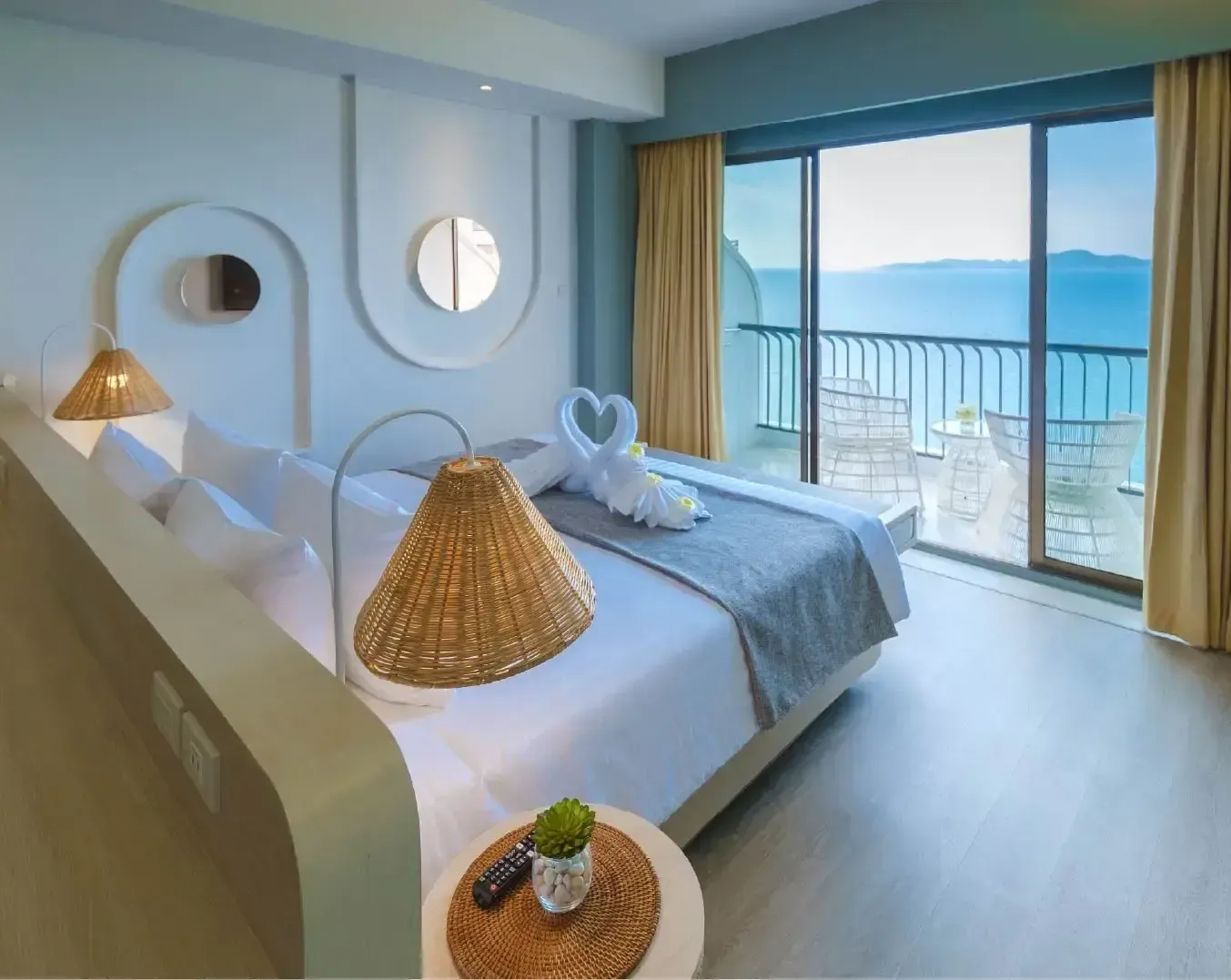
A sea view room features an ocean view, allowing hoteliers to charge a premium for this scenic accommodation.
13. Mountain view room
A mountain view room showcases scenic views of the surrounding peaks, often allowing hotels to charge a higher rate for the enhanced experience.
14. Garden view room
A garden view room offers pleasant views of the hotel's gardens or greenery, often adding value to the guest experience.
15. Luxury room
A luxury room features a prime location along with the hotel’s finest amenities and views, allowing hotels to charge a premium for this exceptional experience.
Simplify room management and maximize revenue with Mews
Managing different types of rooms across a busy property requires more than good organization. With the right technology, hotels can keep operations running smoothly, optimize rates and provide guests with a seamless experience at every touchpoint.
That's precisely what Mews Property Management System (PMS) does.
It brings every aspect of room and property management into one platform, giving hotel teams the tools to work faster and smarter.
Its key features include:
- Centralized reservations calendar for full visibility across all room types
- Real-time housekeeping updates to turn rooms around faster
- Dynamic pricing tools to maximize revenue per available room
- Automated guest communications from booking to check-out
With Mews, your team spends less time on admin and more time delivering exceptional guest experiences. Give your team the tools to work smarter, delight more guests and grow revenue from every room type in your property. Book a demo today.
Looking to upgrade your property management system?
Download "Your Ultimate PMS Buyer’s Guide"
How can hotels manage multiple room types efficiently in one system?
How can hotels manage multiple room types efficiently in one system?
Hotels can manage multiple room types efficiently by using a centralized property management system that tracks inventory, rates and availability across all categories in real time. Automation reduces manual updates, prevents overbookings and ensures consistency across booking channels.
How should hotels price different room categories and suites?
How should hotels price different room categories and suites?
Hotels should price room categories and suites based on factors such as occupancy, bed configuration, amenities and views. Dynamic pricing tools can adjust rates in real time according to demand, competition and booking trends to maximize revenue.
How can hotels maintain accurate availability across all channels?
How can hotels maintain accurate availability across all channels?
Hotels can maintain accurate availability by using a channel manager that automatically syncs inventory across all booking platforms. Real-time updates prevent overbookings and ensure consistent information for guests.
How can room features and attributes be standardized across categories?
How can room features and attributes be standardized across categories?
Room features and attributes can be standardized by establishing clear naming conventions and consistent attribute systems within the property management system. This improves guest understanding, streamlines operations and supports accurate reporting across all room categories.
How does Mews support revenue optimization for premium hotel rooms?
How does Mews support revenue optimization for premium hotel rooms?
Mews supports revenue optimization for premium hotel rooms by integrating with the Atomize revenue management system (RMS) to automate pricing across all room categories. The system analyzes demand patterns, competitor rates and booking trends to set optimal rates and maximize revenue.
Written by

Eva Lacalle
Eva has over a decade of international experience in marketing, communication, events and digital marketing. When she's not at work, she's probably surfing, dancing, or exploring the world.