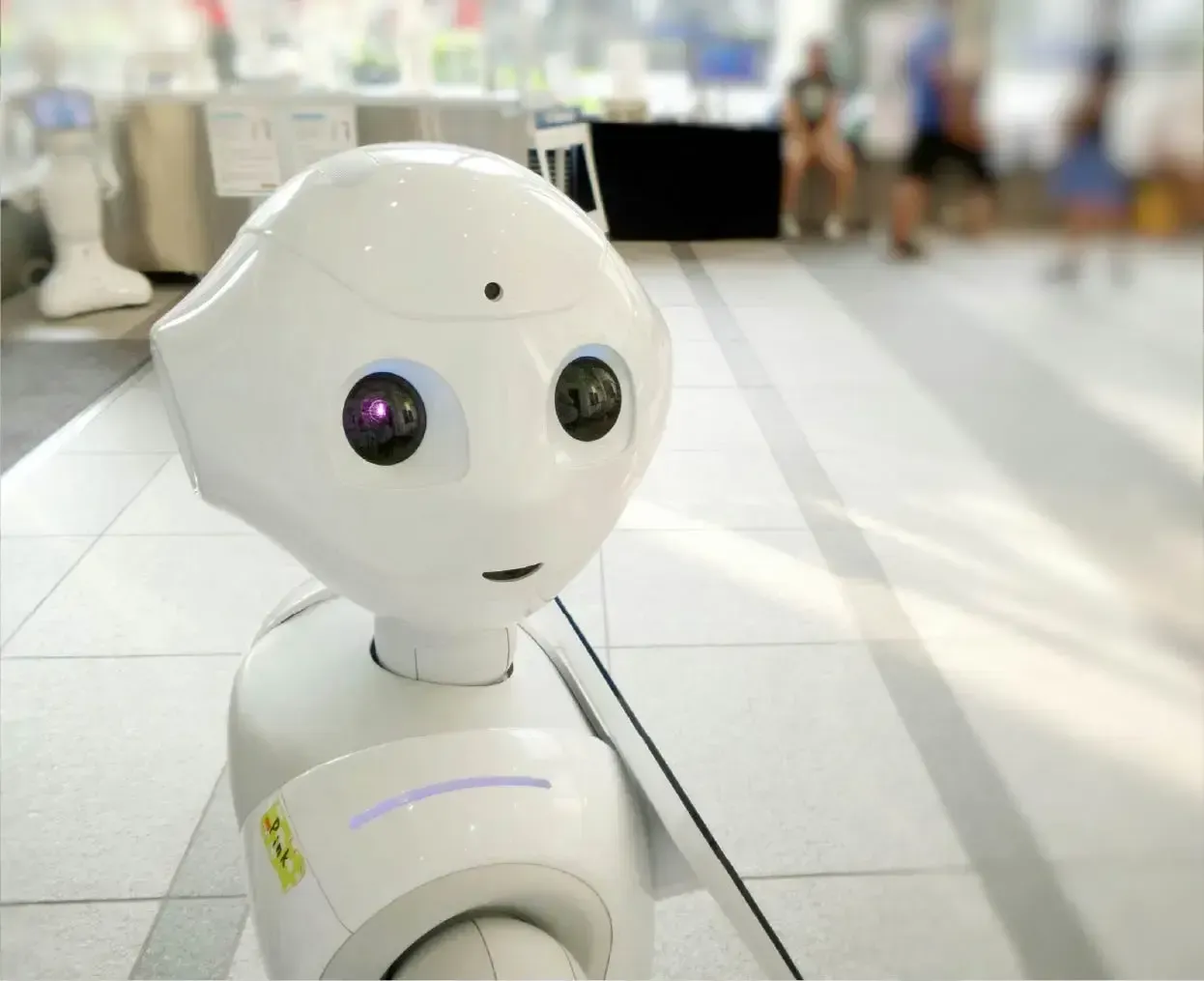
Key takeaways
- Hotel robots handle tasks like room service, housekeeping, concierge and F&B delivery - freeing staff to focus on guest-facing work.
- While the upfront investment can be significant, robots reduce long-term staffing costs and improve retention by eliminating tedious tasks.
- Robots enhance the guest experience by speeding up service, signaling a tech-forward brand and operating around the clock.
- Robots aren't replacing hotel staff - they're supporting them, working alongside humans to improve efficiency across departments.
- As implementation costs drop, hotel robotics is fast becoming a standard part of hospitality operations, not a luxury.
Hotel robots are transforming hospitality – from improving operations and boosting guest satisfaction to cutting costs. By handling everyday tasks like greeting guests, housekeeping, room service and luggage delivery, robots give hotels a real competitive edge. Keep reading to explore the types, benefits and future of hotel robotics.
What are hotel robots?
A hotel robot is a device that can carry out tasks to ease the workload and improve hotel operations. It empowers your hotel to work more efficiently and become more streamlined, all while enhancing the guest experience. Robots come in many shapes and forms, depending on the tasks they are supposed to carry out.
Why hotels are embracing robots
Adding a robot to your team is a smart financial move – it takes pressure off staff without the cost of additional hires, ultimately enhancing staff retention. And as implementation costs have dropped significantly, robots are no longer a luxury; they're a competitive necessity.
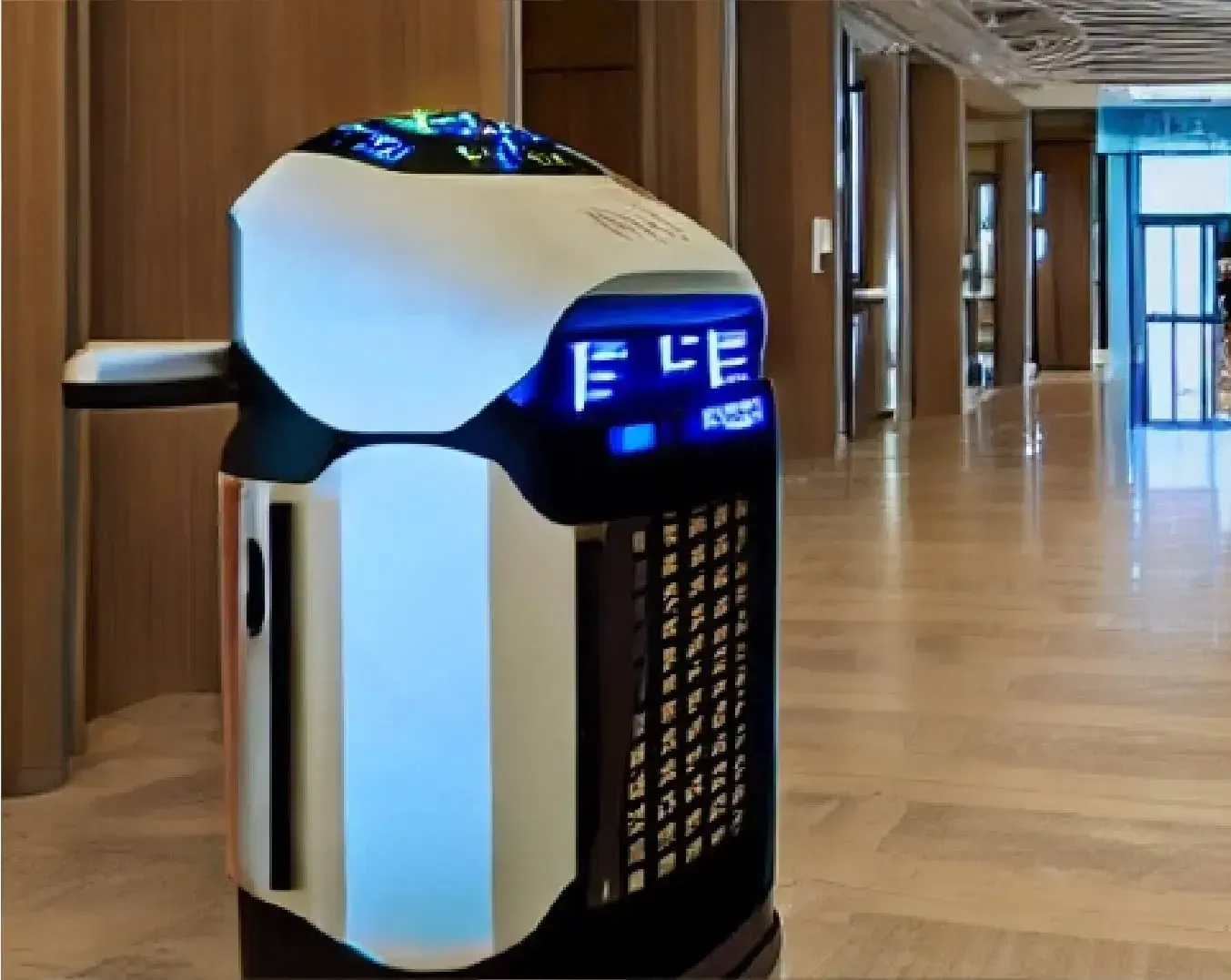
What ROI can hotels expect?
The strongest returns come from properties that match the robot to a genuine operational bottleneck rather than deploying for novelty.
Hilton's concierge robot Connie handled common front-desk queries and freed staff to focus on more complex guest needs. Henn-na Hotel in Japan, the first hotel staffed predominantly by robots, demonstrated both the potential and the limits of full automation – reducing labor costs significantly before scaling back deployments that were not delivering on guest experience.
Three metrics consistently move when robots are deployed well:
- Average delivery or response time drops 30–50%
- Staff turnover decreases as repetitive tasks are removed from frontline roles
- Guest satisfaction scores on speed-related categories improve.
The properties seeing the weakest returns are those that bought hardware without integrating it into existing workflows.
Where robots fall short
Robots handle defined, repeatable tasks well and struggle with everything else. A concierge robot can answer "where is the gym" with accuracy but cannot read frustration in a guest who has been waiting 20 minutes for a room. A delivery robot can navigate a hallway but cannot improvise when the elevator is out of service. Multilingual capability has improved but remains uneven, particularly with accents, idioms and complex requests.
The implication is not that robots are not worth deploying – it is that they need to be deployed where their strengths apply. Repetitive, time-bound, low-complexity tasks are the right fit. Anything requiring genuine empathy, judgment or improvisation still belongs with staff.
Properties that get this balance right end up with both lower operating costs and a stronger guest experience, because human attention is concentrated where it actually matters.
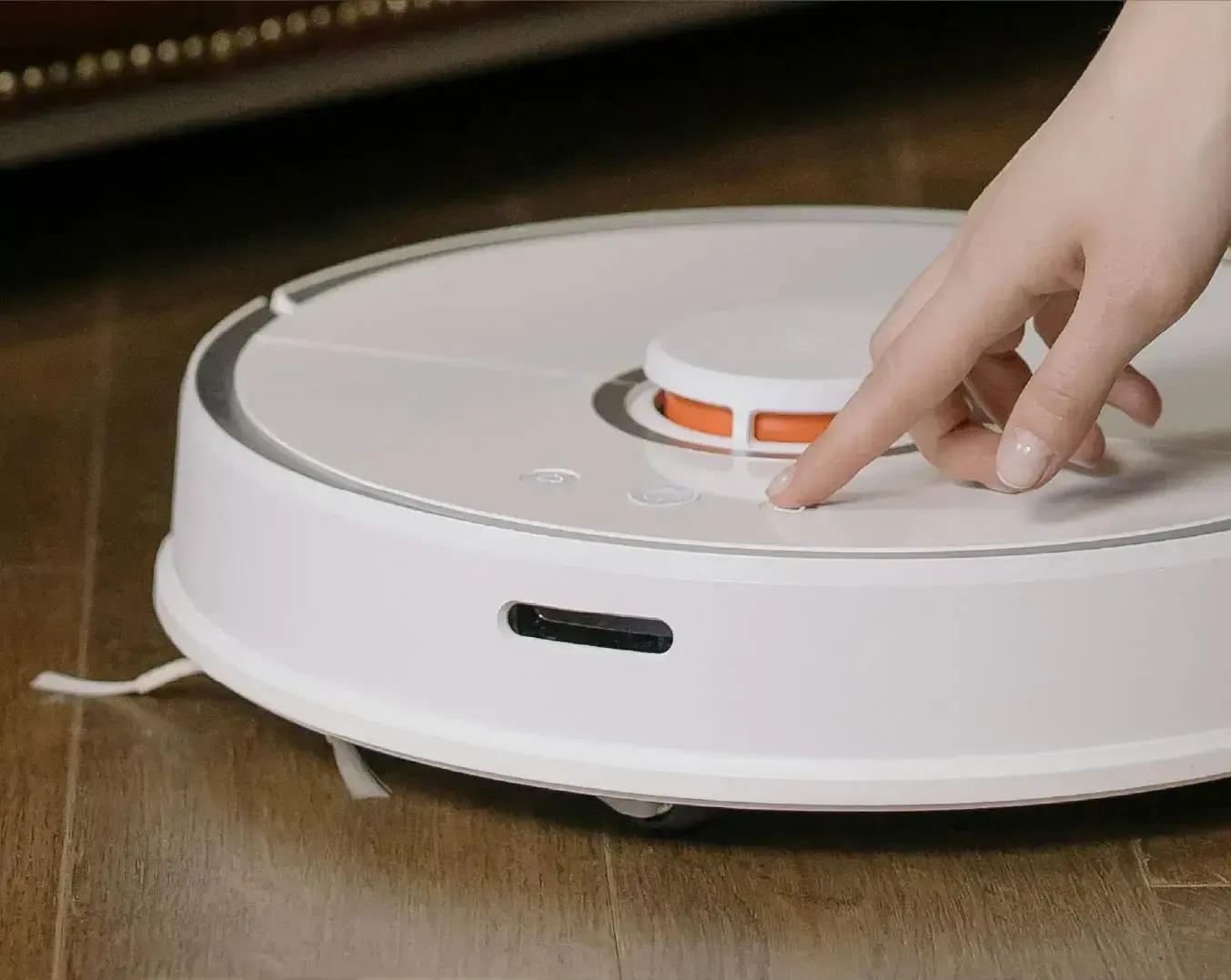
The 5 types of hotel robots
There are several types of hotel robots that have been built with different purposes. Let’s explore them.
1. Room service robots
Room service robots take the pressure off your F&B team by handling deliveries from kitchen to guest room autonomously. Your team loads up the device, sets the destination, and the robot does the rest – resulting in shorter wait times, fresher food and staff freed up for higher-value tasks.
Best for: high-volume properties with busy F&B operations.
2. Robots for concierge services
First impressions set the tone for the entire stay. A concierge robot can greet arriving guests, direct them to reception, answer common questions, and share recommendations for local sights and activities – all without pulling staff away from more complex guest needs. Hilton's robot concierge Connie, powered by IBM Watson, is one of the most well-known examples in the industry.
Best for: large hotels with high footfall and 24-hour front-of-house demand.
3. F&B staff robots
Robots are increasingly being deployed as waitstaff – taking orders, delivering dishes and keeping service moving during peak hours. Rather than replacing your team, they handle the repetitive back-and-forth so staff can focus on delivering a more personalised dining experience.
Best for: hotel restaurants with high covers or limited staffing.
4. General service robots
General service robots handle the behind-the-scenes work that quietly eats into staff time – shuttling dirty linen to laundry, delivering extra pillows or amenities to guest rooms on request, and keeping operations running smoothly without the need for a dedicated runner.
Best for: larger properties where inter-department logistics create staffing inefficiencies.
5. Housekeeping robots
Robotic vacuums and cleaning devices can cover guest rooms and public areas during off-peak hours, freeing housekeeping staff to focus on higher-priority tasks. Deploying them overnight or during quieter periods also reduces the risk of guest disruption.
Best for: properties with large common areas or high room turnover.
Integrating robots into hotel operations
A robot that runs in isolation delivers only a fraction of its value. Hotels get more from robotics when those tools connect to the systems already running the property, from the PMS and housekeeping platform to guest messaging and F&B tools.
That integration is what turns a robot from a novelty into part of the operation. For example, room data can guide delivery robots to the right guest, housekeeping status can trigger cleaning workflows in real time, and guest requests can be routed automatically without extra staff intervention.
The Mews operating system is built for this kind of connected setup, helping hotels integrate smart tools into one operation rather than managing them as separate systems.
The future of hospitality is automated
Hotel robots are becoming a practical way to reduce repetitive work, speed up service and give staff more time to focus on guests. As costs fall and capabilities improve, more hotels will use automation to support everyday operations across the stay.
Robots won't replace the human touch that defines great hospitality; they'll make more room for it.
Ready to build a more connected, automated hotel operation? Get a demo.
Download our guide "Tech Trends for City Center Hotels"
What tasks can robots do in a hotel?
What tasks can robots do in a hotel?
Hotel robots can handle a wide range of operational tasks including room service delivery, luggage handling, housekeeping support, vacuuming and concierge duties like greeting guests and providing directions. Some robots can also take food orders and serve as waitstaff in hotel restaurants.
Will robots replace hotel staff?
Will robots replace hotel staff?
No – hotel robots are designed to support staff, not replace them. By taking over repetitive, manual tasks, robots free up your team to focus on guest-facing work that requires a human touch, which is ultimately what defines a great hospitality experience.
Are hotel robots worth the investment?
Are hotel robots worth the investment?
For most hotels, yes. While the upfront cost can be significant, robots reduce long-term staffing costs, improve operational efficiency and can meaningfully boost guest satisfaction. As implementation costs continue to fall, the ROI case is becoming increasingly compelling.
What types of hotels use robots?
What types of hotels use robots?
Robots are used across a wide range of properties – from large city-center hotels and resorts to boutique properties looking to differentiate their offering. Any hotel with high operational demand or a focus on tech-forward guest experiences stands to benefit.
Written by

Eva Lacalle
Eva has over a decade of international experience in marketing, communication, events and digital marketing. When she's not at work, she's probably surfing, dancing, or exploring the world.