Key takeaways
- An aparthotel is a hybrid accommodation that combines apartment-style living spaces with hotel services like housekeeping, a front desk and on-site amenities.
- Aparthotels attract extended-stay guests, business travelers, families and digital nomads who want more space and independence than a traditional hotel room offers.
- For operators, the aparthotel model can deliver higher occupancy and more stable revenue than traditional hotels, especially when supported by a cloud-native property management system (PMS) built for flexible stay lengths.
Guests staying a week or longer may not want to live out of a hotel room. They might need space to cook, work and settle into a routine.
A standard room with a bed and a minibar doesn't cut it. At the same time, vacation rentals offer that space but lack the professional service and on-site support that business travelers and families depend on.
An aparthotel solves both problems. It combines apartment-style units with hotel services like housekeeping, a front desk and shared amenities. Guests get the independence they want without sacrificing service or consistency.
In this article, we define what makes an aparthotel distinct, compare it to hotels and vacation rentals and outline what it takes for hoteliers to run one profitably.
What defines an aparthotel?
A blend of "apartment" and "hotel," an aparthotel is a property that offers self-contained, apartment-style units equipped with a full kitchen, a living area and a workspace. It also provides core hotel services such as reception, housekeeping and concierge support.
What makes the aparthotel model different from a standard hotel is the space and flexibility it gives guests. Instead of a single room with a bed and a bathroom, an aparthotel unit is designed for longer, more independent stays.
Guests can prepare their own meals, enjoy the extra space of separate living and sleeping areas and maintain their daily routines, comforts that a typical hotel room often can't provide.
This model is worth understanding early, since it occupies a growing space between traditional hotels and vacation rentals. According to HVS, European serviced apartments held occupancy around 80% across markets in 2025, even as average rates softened.
That occupancy resilience, even amid rate pressure, is what continues to draw hoteliers and investors to the model.
Key amenities aparthotel guests expect
Aparthotel guests choose the model because it gives them more than a standard hotel room. The following amenities consistently set the experience apart:
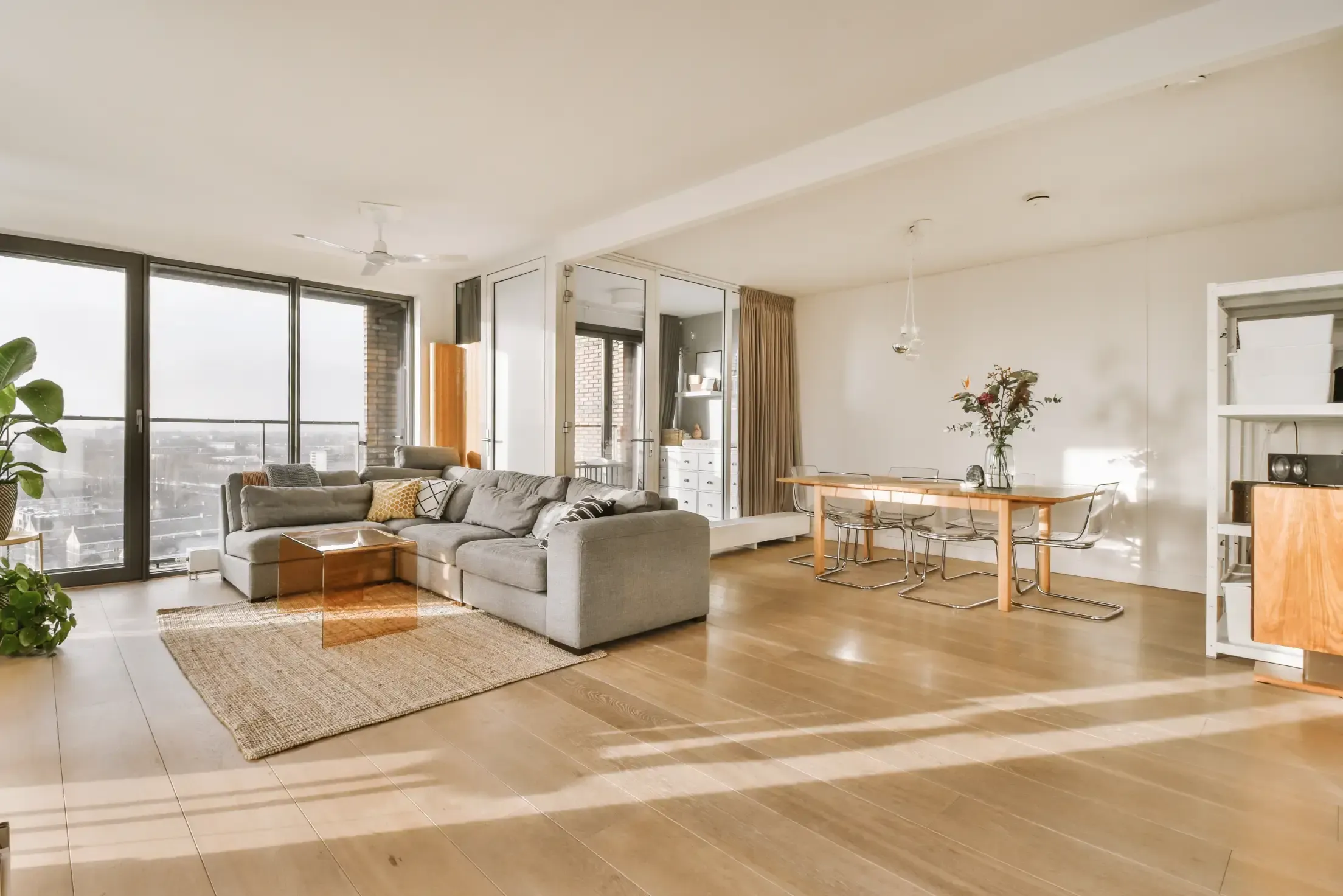
Fully equipped kitchens
A full kitchen with a stove, refrigerator and cookware lets guests prepare their own meals instead of relying on room service or nearby restaurants. This amenity is often the deciding factor for guests planning a longer stay.
Spacious living and work areas
Separate areas for relaxing, dining and working give guests the room they need for everyday living. This layout also appeals to business travelers who need a professional setting during the day and to families who need extra space over multiple nights.
Housekeeping and hotel-style services
Guests still receive regular housekeeping, fresh linens and towels, plus access to a front desk or reception team. Some aparthotels add concierge support, parking and breakfast, giving guests the independence of an apartment with the reliability of hotel-style service.
Who is the ideal aparthotel guest?
Aparthotels attract a wide range of travelers, but they share one thing in common: a need for space and independence during longer stays.
Here are the guest profiles that benefit most from the model:
- Business travelers on extended assignments who need a workspace and a routine, not just a bed for the night.
- Relocating employees in need of temporary housing while they search for a permanent home.
- Families on vacation who need separate sleeping areas and a kitchen to manage meals and schedules.
- Digital nomads and remote workers looking for reliable space to work from while traveling.
- Group travelers who need multiple rooms or shared common areas under one roof.
- Medical travelers and their families who need a home base near a hospital or treatment center for several weeks.
- Students and interns on short-term programs who need furnished housing without a long-term lease.
Aparthotel vs hotel vs vacation rental
Each accommodation type serves a different kind of stay, from a single night to several weeks. The table below breaks down how aparthotels compare on space, service and stay length.
Feature
Hotel
Vacation rental
Aparthotel
Living space
Single room
Full apartment or house
Apartment-style unit
Kitchen
Rare or minibar only
Full kitchen
Full kitchen
Housekeeping
Daily
Rare or none
Regular, scheduled
Front desk or reception
Yes
No
Yes
Ideal stay length
One or two nights
A few days to a week
A week or longer
Guest support
On-site staff
Limited or remote
On-site staff
Booking flexibility
High
Moderate
High

How does an aparthotel generate revenue for operators?
Aparthotels generate revenue through a mix of longer stays, added services and smarter pricing rather than room rate alone.
The strategies below show how you can turn that model into consistent, predictable income:
Driving extended stays and stable occupancy
Longer bookings reduce turnover and keep units filled for weeks or months at a time. This steadier occupancy pattern gives you more predictable cash flow than a typical hotel relying on nightly turnover.
Upselling services and amenities
Guests staying longer are more likely to add services like parking, breakfast or laundry to their reservation. Each of these additions increases revenue per guest without requiring more units or higher room rates.
Applying dynamic pricing and distribution
Rates should shift based on stay length, seasonality and local demand rather than staying fixed. Listing units across multiple booking channels also widens reach while keeping direct bookings competitive, especially when paired with a wider hotel marketing strategy that drives guests to book direct.
Reducing operational costs
Longer stays require less frequent housekeeping and fewer check-ins than short-term hotel rooms. This lowers labor and turnover costs, which improves overall profit margins even when rates stay flat.
Boost revenue and guest loyalty with Mews aparthotel solutions
Aparthotels generate revenue through room rates, extended stays, ancillary services and higher occupancy. Rates need to reflect stay length, seasonality and demand, and the Mews hospitality operating system supports this through Mews RMS, powered by Atomize.
Here's what it does:
- Recommends room rates using historical data, live booking pace and competitor pricing.
- Adjusts pricing and inventory in real time as demand shifts.
- Accounts for ancillary revenue within the pricing strategy.
- Shares rate plans and restrictions instantly through native integration with Mews PMS.
JustStay, a German hotel chain built for both short and long-term stays, ran into this exact problem before switching to Mews. Its previous RMS wasn't fully integrated with its PMS, which created constant issues pushing prices through to online travel agencies (OTAs).
As Dr. Christoph Hamann, Managing Director at JustStay, explained: "Our previous RMS wasn't fully integrated with the PMS, which caused a lot of issues pushing prices through to the PMS and onto the OTAs. We're excited to see Atomize take our revenue management into a whole new era."
Book a demo to see how Mews RMS can help you price smarter and grow revenue.
What is an aparthotel and who is it best suited for?
What is an aparthotel and who is it best suited for?
An aparthotel is a hybrid accommodation type that combines the comfort and amenities of an apartment with the services and convenience of a hotel. It is best suited for extended-stay travelers, business professionals, families and guests who want more space, flexibility and a home-like experience without committing to a long-term rental.
Why should hoteliers understand what an aparthotel is?
Why should hoteliers understand what an aparthotel is?
Hoteliers should understand what an aparthotel is because it represents a growing accommodation model that meets changing guest expectations for more space, flexibility and longer stays. Understanding this segment helps you identify new revenue opportunities, adapt their offerings and better compete in an evolving hospitality market.
How can aparthotels improve the guest experience?
How can aparthotels improve the guest experience?
Aparthotels improve the guest experience by offering the comfort and flexibility of a home-like environment with the convenience of hotel services. Features such as separate living spaces, kitchen facilities and dedicated work areas allow guests to maintain their routines while enjoying a more comfortable and personalized stay.
Can aparthotels help increase hotel revenue?
Can aparthotels help increase hotel revenue?
Yes, aparthotels can help increase hotel revenue by attracting extended-stay guests, reducing reliance on short-term bookings and creating additional income opportunities. Their larger units and flexible stay options can support higher occupancy, longer booking durations and increased revenue per guest.
How does an aparthotel compare with a vacation rental?
How does an aparthotel compare with a vacation rental?
An aparthotel combines the space and flexibility of a vacation rental with the services and reliability of a hotel, such as housekeeping, front-desk support and consistent standards. Unlike vacation rentals, which are often managed by individual hosts, aparthotels provide a more structured hospitality experience with professional service and hotel-like amenities.