




Key takeaways
- Online reviews significantly influence hotel bookings, with even a few negative reviews adversely impacting the revenue.
- Consistent guest experiences and personalized services generate more positive reviews, and requesting feedback at optimal moments increases review volume.
- Responding quickly and thoughtfully to all reviews, positive and negative, matters more than delivering flawless experiences alone.
A guest checked into a beachfront hotel in July only to find the air conditioner in their room wasn't working. The front desk promised a quick fix, but two days passed with no resolution, updates or alternative accommodation.
Soon after, a one-star review appeared. The complaint wasn't just about the broken AC – it was about the lack of communication and follow-through. What began as a maintenance issue quickly became a reputation problem, and bookings for that room type started to decline.
Guests don't expect perfection; they expect accountability. Problems happen, but how a hotel responds often matters more than the issue itself. That's why negative reviews aren't just reflections of what went wrong – they're indicators of how well a hotel handles challenges.
In this article, we'll explore the impact of bad hotel reviews, why guests leave them, how to respond effectively and how to prevent them in the first place.
How do online reviews impact hotel bookings?
For most travelers, online reviews play a direct role in how they choose where to stay. Here's how reviews impact bookings:
Build trust with potential guests
People trust fellow travelers more than slick marketing campaigns. Reviews are user-generated proof of what happens at your property. They give potential guests real context about what to expect, which makes the booking decision feel less risky.
Influence booking decisions
Reviews help travelers spot risk. When the same issue appears in more than one review, it's a red flag. Even a few unresolved issues can leave a negative impression.
Drive higher bookings
Small rating improvements can have a big impact on demand. A one‑star increase can significantly increase revenue, and better reviews mean more clicks, more trust and more bookings. Even moving from 3.5 to 4 stars can push you above competitors in search filters and booking platform rankings.
Shape brand perception
Reviews influence rankings and visibility in major search engines and websites like Tripadvisor and Booking.com. Thoughtful reviews, accrued over time, contribute to a more positive perception of your brand.
Top hotel review sites every hotel should be listed on
Managing your presence across key review platforms helps build trust, improve visibility and attract more bookings. Focus on these sites:
- Google Reviews: The most important review platform, influencing visibility in Google Search, Maps and Hotel Search.
- Tripadvisor: One of the most trusted travel review sites, often used by guests when comparing hotels.
- Booking.com: Features verified guest reviews, making it a valuable source of credibility and international bookings.
- Expedia: Verified reviews and detailed guest ratings help travelers evaluate hotel quality.
- Hotels.com: Popular among U.S. travelers and a strong source of guest feedback.
- Trustpilot: Provides broader insights into customer satisfaction and brand reputation.
- Yelp: Particularly important for hotels targeting domestic travelers in the U.S.
- Facebook: Guests frequently share reviews, photos and experiences, making it a valuable platform for social proof and engagement.
Prioritize monitoring and responding to reviews on these platforms to strengthen your online reputation and build guest trust.
5 effective strategies to improve hotel reviews
Improving your hotel reviews takes a bit of planning and follow-through. Here's how to go about it:
1. Deliver exceptional service consistently
Great experiences start long before a guest checks out. Clean rooms, smooth check-in and clear communication keep guests satisfied throughout their stay. Consistency across every touchpoint, from the front desk to housekeeping, ensures that positive impressions last.
2. Enhance communication before arrival
Reach out to guests before arrival by sending a short text or email message to set expectations. Share important details like parking information and check-in time.
3. Create more personalized guest interactions during the stay
Use what you already know about your guests to create meaningful experiences. For example, if you know it's a guest's birthday or anniversary, leave a handwritten note in their room with a complimentary bottle of champagne or a dessert from your restaurant. Small gestures like these make guests feel seen without feeling managed.
4. Strengthen post-stay follow-up communication
After check-out, send a follow-up message thanking guests for their stay. This simple gesture shows you care about their experience while creating a natural opportunity to request a review.
Keep the process straightforward by avoiding long forms or complex questionnaires, and make it as easy as possible for guests to leave a star rating along with their feedback.
5. Respond to reviews quickly and thoughtfully
Aim to respond to all reviews within one to three days of publication. When you thank guests for positive reviews and address negative comments calmly and directly, you're not just communicating with that individual guest. Every response you post builds trust with potential guests who are reading through your reviews and evaluating whether to book with you.
Why do guests leave negative hotel reviews?
Guest expectations vary based on travel purpose, budget and personal preferences. When hotels fail to meet those expectations, negative reviews often follow.
Poor overall service quality
Service issues are one of the most common causes of bad reviews. Unfriendly staff, unresolved complaints, repeated guest requests and poor communication can quickly damage the guest experience. Well-trained teams and effective hotel technology help ensure issues are addressed before they escalate.
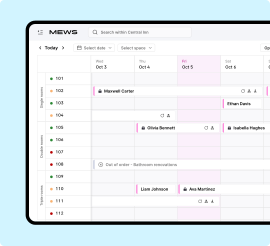
If you have a hotel front desk software like the one Mews offers, make sure your staff use this software to enhance the customer experience, understand guest profiles and track tasks that need to be done.
Billing errors and pricing issues
Unexpected charges, missing discounts or incorrect bills can erode guest trust instantly. Accurate billing and transparent pricing are essential to maintaining positive reviews.
Excessive wait times
Long waits at check-in, check-out or for guest requests can leave a lasting negative impression, especially for travelers who are already tired or stressed.
Room conditions below expectations
Guests expect clean, well-maintained rooms that match online descriptions. Maintenance issues, missing amenities and misleading photos are common triggers for negative feedback.

What is the impact of bad hotel reviews on your business?
Negative reviews can have a direct impact on bookings, revenue and your hotel's reputation. According to Mara, 86% of consumers say they would avoid a business with unanswered negative reviews.
The consequences can include:
- Fewer bookings: Prospective guests often compare reviews before booking. A poor rating can push them toward competitors.
- Lost revenue: Even a single negative review during peak season can result in lost traffic and bookings from platforms like Tripadvisor and OTAs.
- Global reputation damage: Reviews are visible to travelers worldwide. A negative review written in one language can influence booking decisions across multiple countries and markets.
- Long-term visibility: Unlike many customer complaints, online reviews often remain public indefinitely, continuing to shape perceptions long after the original incident.
Because reviews are highly visible and difficult to remove, actively managing guest feedback is essential to protecting your hotel's reputation and revenue.
How to respond to bad hotel reviews
If you get a bad hotel review, don’t ignore it. Instead, you should respond to the review and apologize for what went wrong.
First, thank the guest for taking the time to write the review. Whether it’s positive or negative, the important thing is recognizing that the guest’s feedback is valuable to your hotel. Then apologize for what happened and don’t make excuses.
Be sure to address the guest by name, recognize where you fell short and explain what plans you have to make sure the issue doesn’t happen again.
As a final step, if you have access to the guest's personal information, send a follow‑up email and offer a discount or a free night’s stay to counteract the negative experience. Even if the guest doesn’t return, they won’t be left with a sour taste in their mouths.
What should hotels do to avoid receiving bad reviews?
The best way to prevent bad reviews is to identify and resolve issues before guests feel the need to post publicly.
Listen and act on feedback
Pay attention throughout the guest journey and make it easy for guests to share concerns. When something goes wrong, resolve it quickly and let the guest know what action was taken. Small recovery gestures can often turn a poor experience into a positive one.
Be proactive
Don’t wait for complaints. Check in at key moments, such as after arrival or during longer stays, to make sure guests have what they need. Clear service protocols and hotel data analytics can help teams spot recurring issues and improve daily operations.
Deliver a consistent guest experience
Set clear expectations before arrival, then meet or exceed them during the stay. Friendly staff, clean rooms, smooth check-in and helpful communication all play a role in preventing negative feedback.
Manage your online reputation
Respond to both positive and negative reviews. For negative reviews, take time to understand what happened, acknowledge the issue professionally and explain how you’ll improve.
How can hotels defend and protect their online reputation?
Protecting your online reputation requires consistent monitoring, timely responses and a commitment to improving the guest experience.
- Monitor review platforms regularly: Check Google, Tripadvisor and OTAs frequently, and set up alerts for new reviews so you can respond quickly.
- Create a reputation management process: Establish clear guidelines for handling reviews, train staff on response best practices and empower teams to resolve guest issues before checkout.
- Turn feedback into action: Look for recurring themes in reviews and address the root causes. Guest feedback can reveal operational issues that might otherwise go unnoticed.
- Track trends over time: Reputation management tools can help identify patterns, measure improvements and benchmark performance across review platforms.
How can hotels maximize the value of positive reviews?
Positive reviews do more than build trust – they can directly influence bookings and revenue. To get the most value from them:
- Encourage more reviews: Make it easy for satisfied guests to leave feedback through email, SMS or post-stay surveys.
- Engage with guests: Respond to positive reviews and continue the conversation on review sites and social media.
- Use reviews in marketing: Showcase guest feedback on your website, booking pages, email campaigns and social channels.
- Track performance: Monitor how review volume and ratings impact bookings, occupancy and revenue.
Research from Cornell University found that a 1% increase in a hotel's online reputation score can drive:
- 0.89% higher ADR
- 0.54% higher occupancy
- 1.42% higher RevPAR
For a 100-room hotel with a $150 ADR, that equates to more than $47,000 in additional annual revenue.
How can Mews help you improve and manage hotel reviews?
Reviews are the outcome of the entire stay – booking, arrival, payments, communication, issue resolution and check-out. When those touchpoints don't connect, friction shows up in the feedback.
As a hospitality operating system, Mews links every stage of the guest journey in one system, so teams can spot issues earlier and deliver consistent, personalized service. For example, connected guest profiles can surface a returning guest’s preferences at check-in, while hotel automation handles routine tasks so staff can focus on the moments that drive better reviews.
Mews Guest Experience tools build on that foundation to support stronger stays from start to finish.
Book a demo to see how it works.
Download our guide 'Understanding the Modern Guest'

How many reviews does a hotel need before ratings influence bookings?
How many reviews does a hotel need before ratings influence bookings?
There isn’t a universal “magic number,” but bookings are influenced once a hotel has enough recent reviews to feel trustworthy. Many travelers won’t book at all if a property has no reviews.
Does responding to reviews improve hotel search visibility?
Does responding to reviews improve hotel search visibility?
Yes, responding to reviews improves search visibility. Search engines and booking platforms prioritize businesses that actively engage with customers. Hotels that consistently respond to reviews rank higher in search results, attracting more guest feedback.
Should hotels respond differently to reviews on OTAs and Google?
Should hotels respond differently to reviews on OTAs and Google?
Yes, hotels should tailor their responses based on the platform. While OTAs focus on service-related concerns and booking experiences, Google reviews often reflect a broader spectrum of guest experiences, requiring more personalized, brand-driven responses.
Can automated tools help manage hotel reviews without losing authenticity?
Can automated tools help manage hotel reviews without losing authenticity?
Yes. Automation can support speed and consistency, but responses still need to be personal, specific, and original. The best approach is to use automation for alerts and tracking while having trained staff come up with individual responses that reference specific guest comments.
How often should hotels audit guest feedback across platforms?
How often should hotels audit guest feedback across platforms?
Hotels should check reviews daily to catch any urgent complaints that need immediate attention, and do a thorough review of all platforms once a week to spot patterns. Making this part of regular operations ensures nothing gets missed and shows guests the hotel is paying attention.
Written by

Eva Lacalle
Eva has over a decade of international experience in marketing, communication, events and digital marketing. When she's not at work, she's probably surfing, dancing, or exploring the world.