Key takeaways
- Hotel chatbots streamline guest communication. They handle common questions and requests instantly, reducing pressure on front desk teams.
- They improve efficiency and availability. Chatbots operate 24/7, helping hotels respond faster and manage high inquiry volumes without adding staff.
- Chatbots enhance the guest experience. By providing quick, convenient and personalized support, they improve satisfaction while freeing staff to focus on in-person service.
Are you wondering what a hotel chatbot is and whether it’s suitable for your property? From answering questions to providing relevant information, this technology is changing how hotels interact with guests. And they can do it 24/7.
Hotel chatbots are the perfect solution for modern guests who look for quicker answers and customer support availability around the clock. If you want to know how they can help your property thrive, keep reading to discover their benefits.
What is a hotel chatbot?
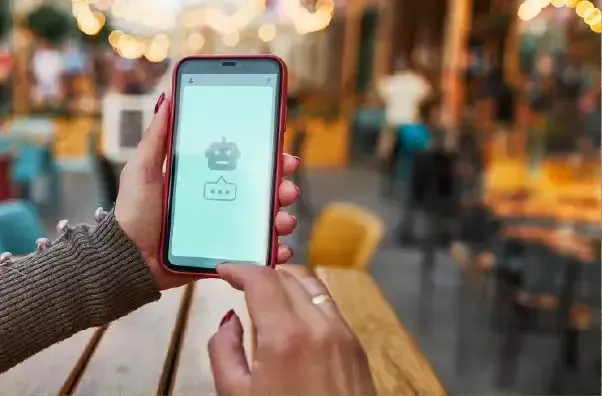
A hotel chatbot is a tool that assists guests and customers in the hospitality industry. It can respond to questions, provide information and save time for front desk staff by answering frequently asked questions.
Types of hotel chatbots
There are two kinds of chatbots: rule-based and AI-based hotel chatbots. Rule-based hotel chatbots react based on a set of pre-established rules. They're simpler and cost-effective, but interactions can sound clunky and too formal.
AI-based chatbots use artificial intelligence and machine learning to understand the nature of the request. They tend to deliver more human-like responses. When automating tasks, communication must stay as smooth as possible so as not to interfere with the overall guest experience.
Chatbots are just one of the many ways artificial intelligence is changing the hospitality industry.

How common are chatbots in the hotel industry?
Chatbots are becoming increasingly common across the hotel industry as guest expectations for fast, digital communication continue to rise. Many hotels now use chatbots on their websites, booking engines and messaging platforms to handle common questions, support reservations and assist guests before and during their stay.
While adoption varies by property size and tech maturity, chatbots are no longer limited to large hotel chains – independent hotels and smaller groups are also adopting them to improve responsiveness, reduce front desk workload and offer 24/7 guest support without increasing staff hours.
Why does your hotel need a chatbot?
A hotel chatbot speeds up processes and takes the manual labor away from the front desk, especially during peak hours or late at night when there might not be anyone on call. It can answer basic questions and provide instant responses, which is extremely useful when the front desk staff is busy.
Automating is just one of many ways to improve front desk operations. Supported by a hotel chatbot, your front desk can focus on providing the best experience, while guests can receive the information they need.

7 benefits of hotel chatbots
Now that you know why having a chatbot is a good idea, let’s look at seven of its most important benefits.
1. Efficiency
Hospitality is speeding up – most guests want an answer immediately. When your front desk staff is handling urgent matters, chatbots can help guests check in or out, avoiding the need to stop by the front desk when they’re in a rush.
Shorter front desk queues during peak times increase guest satisfaction. Reducing repetitive tasks and improving efficiency are also some of the many benefits of check-in automation.
2. Round-the-clock availability
With 24/7 availability, you can ensure guests are getting assistance or information when they need it, even if it’s outside regular business hours. This frees your team to focus on more meaningful, in-person interactions rather than fielding routine enquiries. Timely responses are crucial when it comes to guest satisfaction.
3. Scalability
Hotel chatbots can never fully replace humans and the warmth of face-to-face interactions, the bedrock of hospitality. However, they can help you handle an increased workload, which means you can take on seasonal peaks without the need to scale resources excessively.
4. Multilingual support and accessibility
If you're catering to guests in different countries, you can rely on chatbots to handle queries in multiple languages without stretching your team across every language at every hour. They can also provide text-to-speech support or alternative means of communication for people with disabilities or those who require particular accommodations.
5. Customer engagement and retention
To boost the guest journey across all funnel stages, you can rely on chatbots to proactively engage clients. They're great for upselling and personalized recommendations, which can also be handled via virtual concierge software, increasing average spend and guest retention.
6. Self-service
While service is an essential component of the guest experience, you should also empower guests to solve problems or complete tasks on their own. Many tech-savvy guests prefer to save time by handling simple tasks like check-in and check-out without the help of staff.
7. Virtual help during booking
Even a smooth booking process can stall when a question goes unanswered – a chatbot resolves those questions in the moment, before guests abandon the site. This can boost conversion rates and increase in direct bookings, and installing it on social media platforms extends the same effect to those channels.
How to implement a hotel chatbot
Rolling out a chatbot works best as a phased process rather than a single launch – it gives you room to test responses, refine workflows and confirm guest-facing answers are accurate before scaling up.
Define the use cases first
Start with the queries your front desk handles most – check-in times, parking, amenity hours, local recommendations. A property fielding 50 calls a week about early check-in, for example, can route that single question to the chatbot first and measure the drop in call volume before expanding scope.
Connect it to your existing systems
A chatbot adds more value when it can pull live data – room availability, rates, booking status – rather than relying on generic, pre-set answers. Integrating it with your property management system means the chatbot can confirm a booking or answer a rate question directly, instead of directing guests back to a human agent for anything beyond FAQs.
Train it on your property's voice
Feed the chatbot your brand's tone and messaging, not a generic hospitality template, so responses sound like your property rather than a boilerplate assistant. A boutique hotel with a playful brand voice and a business-focused property with a formal, efficient tone need chatbots that reflect that difference, not identical scripted replies.
Set clear escalation paths
Define upfront which queries the chatbot should hand off to a human – complaints, complex booking changes, refund requests – and make that handoff smooth so guests don't have to repeat themselves. A guest requesting a refund, for instance, should be transferred to a staff member with the conversation history intact, not asked to start over on a call.
Keep improving it after launch
Track which questions the chatbot fails to answer correctly in the first few weeks and update its responses accordingly, so it improves with real guest interactions instead of running on a static script.
The bottom line on hotel chatbots
Chatbots take the repetitive questions off your front desk's plate, freeing staff to focus on the in-person moments that actually shape a guest's stay. Paired with the right systems behind them, they turn round-the-clock guest support from a staffing problem into a solved one.
Ready to reduce manual work and create smoother guest journeys from booking to check-out? Book a demo to see Mews in action.
Looking for more ways to optimize hotel operations using smart tech?
Download our guide "Tech Trends for City Center Hotels"

What is a hotel chatbot?
What is a hotel chatbot?
A hotel chatbot is an automated messaging tool that communicates with guests via chat platforms, websites or messaging apps. It answers common questions, assists with requests and provides instant support before, during and after a guest’s stay.
How do hotel chatbots work?
How do hotel chatbots work?
Hotel chatbots use predefined rules or AI to understand guest questions and deliver relevant responses. They can handle tasks like sharing check-in details, answering FAQs, taking service requests and directing more complex issues to staff when needed.
What are the benefits of using a hotel chatbot?
What are the benefits of using a hotel chatbot?
Hotel chatbots help reduce front desk workload, respond to guests instantly and provide 24/7 availability. This improves operational efficiency while ensuring guests receive timely and consistent communication.
Do hotel chatbots improve the guest experience?
Do hotel chatbots improve the guest experience?
Yes. Fast responses, convenience and easy access to information all contribute to higher guest satisfaction. When implemented well, chatbots make communication smoother without removing the human touch.
Written by

Eva Lacalle
Eva has over a decade of international experience in marketing, communication, events and digital marketing. When she's not at work, she's probably surfing, dancing, or exploring the world.