
Key takeaways
- Smart hotel technology transforms guest experience through automation and personalization.
- Hotels using smart hotel technology can streamline operations while reducing energy consumption.
- Advanced systems like IoT devices and AI-powered tools enable properties to deliver more efficient service and meet modern traveler expectations.
A guest arrives earlier than expected. The room is ready, the key is already on their phone and they don't need to queue at reception. Behind the scenes, rates have adjusted to demand, empty rooms are conserving energy and staff are no longer tied up with routine tasks.
That’s what smart hotel technology enables when systems actually work together. In this article, we break down what defines a smart hotel, how these technologies are used in practice and which tools are shaping modern hotel operations today.
What are smart hotels?
Smart hotels use connected systems, shared data and automation to improve how the property operates and how guests experience their stay. Rather than functioning as separate tools, technologies across the hotel exchange information and trigger coordinated actions with less manual input.
For example, a smart hotel might connect its PMS with mobile check-in, digital keys, guest messaging, room controls and AI-powered tools. What makes the hotel “smart” is not the number of technologies it uses, but how effectively those technologies work together to anticipate needs, streamline service and support better decisions.
What is the difference between smart hotel software and smart hotel technology?
Smart hotel technology includes the full range of digital systems and connected devices a hotel uses to improve operations and the guest experience. This can include a cloud property management system, mobile check-in, digital keys, revenue management tools, guest messaging, energy controls and in-room Internet of Things devices.
Software provides the operational foundation for many of these experiences, while connected hardware carries out actions in the physical hotel. For example, a guest preference stored in the hotel’s systems may be used to personalize communication, while an integrated smart-room system manages temperature or lighting. The greatest value comes when these tools exchange information instead of operating in isolation.
What are the main technologies used in smart hotels?
Smart hotels combine guest-facing tools with operational systems that share data and automate workflows. The value comes from how these technologies connect – not from using each one in isolation.
Cloud-based hotel management systems
A cloud hotel PMS acts as the operational foundation for many smart hotels. It centralizes reservation, guest and property data while connecting with tools for payments, distribution, housekeeping, revenue management and the guest journey.
When these systems exchange information in real time, teams can reduce manual work and deliver a more consistent experience across departments.
Automated check-in and check-out
Mobile check-in, hotel apps and self-service kiosks allow guests to complete arrival and departure tasks with less help from the front desk. Depending on the setup, guests may be able to verify their details, make payments, complete registration forms and receive room access.
Connecting these tools with the PMS keeps reservation and guest information synchronized while allowing staff to focus on travelers who need personal assistance.
Mobile keys and digital access
Mobile key technology allows guests to access rooms and other permitted areas using a smartphone instead of a physical key card. When connected with digital check-in, it can support a more connected journey from arrival to room access.
Some hotels may also explore biometric tools such as facial recognition. Because these systems process sensitive personal data, properties must carefully evaluate consent, privacy, security and applicable legal requirements before implementation.
Internet of Things and energy management
The Internet of Things connects devices such as occupancy sensors, thermostats, lighting and environmental controls. These devices can respond to room status or occupancy, helping hotels reduce unnecessary energy use while maintaining guest comfort.
Centralized monitoring also gives operations teams greater visibility into equipment performance and room conditions, allowing them to identify potential issues more quickly.
Smart room controls
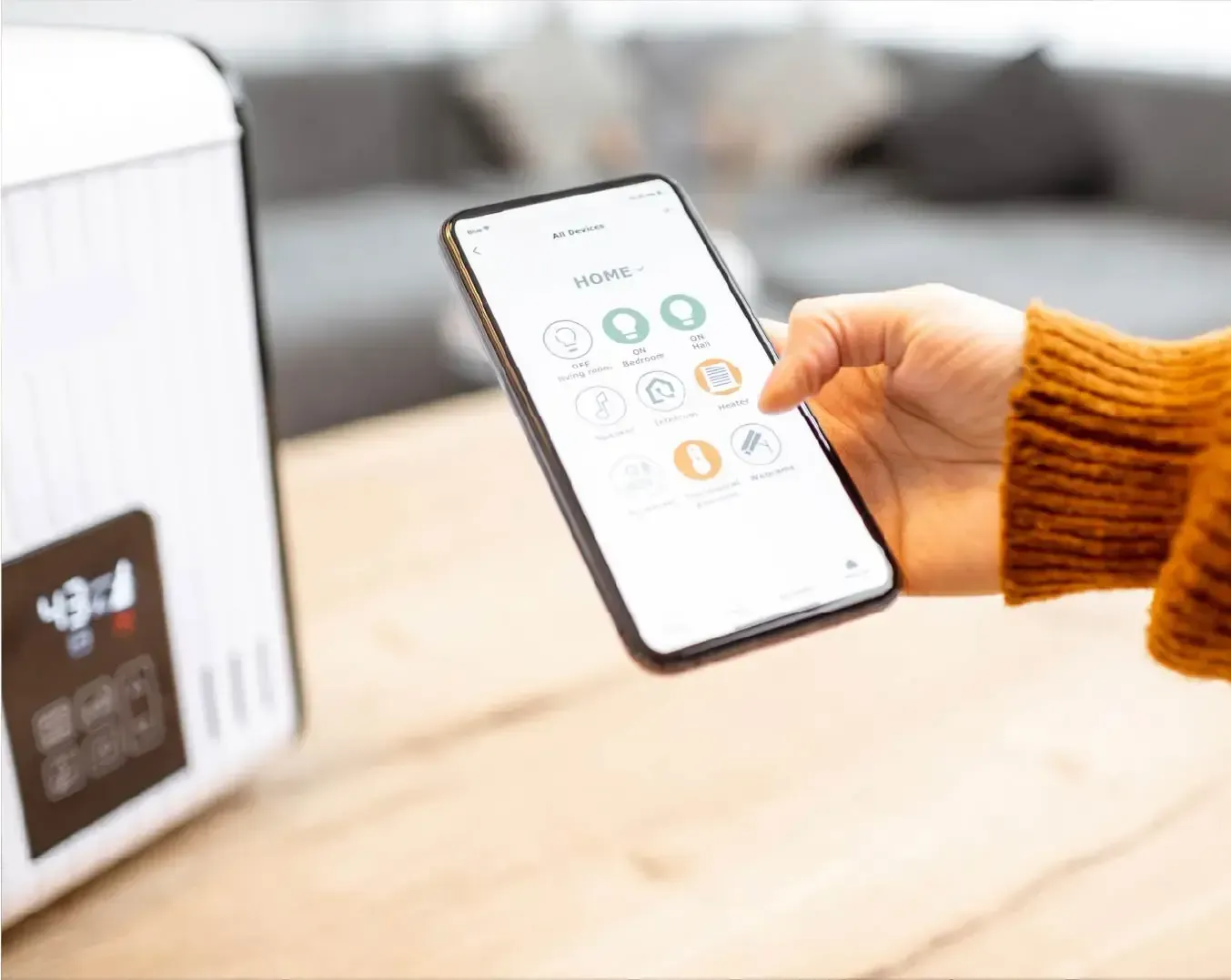
Smart room technology gives guests more control over features such as lighting, temperature, entertainment and window coverings. Controls may be available through an in-room tablet, mobile app, wall panel or voice-enabled device.
When room settings connect with guest preferences and hotel systems, properties can create a more personalized experience while managing energy use more efficiently.
Artificial intelligence and automation
Hotels can use AI to support guest communication, operational decisions and commercial strategy. Chatbots and virtual assistants can answer routine questions, while revenue tools can analyze demand patterns and support pricing decisions.
AI is most useful when it works with reliable hotel data and clear operational processes. Hotels should define when automation is appropriate and when a request needs to be transferred to a staff member.

Advantages of smart hotels
Smart hotels use connected technology and automation to enhance guest experiences while streamlining daily operations. The advantages span every stage of the guest journey, from arrival and in-room comfort to staff efficiency behind the scenes.
Below are the key benefits that smart hotels deliver for both guests and hotel teams.
Personalization
Connected hotel technology can tailor the stay to individual preferences. Guests may select their preferred language, room temperature or lighting during booking or check-in, then use an app or in-room controls to adjust the environment and request services. These details make the experience more convenient and personal without adding manual work for staff.
Improved check-in experience
Hotels can use check-in kiosks and chatbots to speed up the check-in and check-out experience. Guests get faster service and more control over their arrival, whatever time they show up, and mobile check-in offers a way to skip the front desk entirely.
Automation
Smart hotel technology enables devices to assist guests more efficiently, freeing up the front desk and other employees to focus on other responsibilities. Automating simple inquiries lets staff dedicate their time and energy to revenue-generating tasks.
How to choose technology for a smart hotel
Before adding another tool, hoteliers should consider how well it will fit into the wider technology ecosystem.
Evaluate:
- Integration: Can the technology exchange information with the hotel’s PMS and other essential systems?
- Guest value: Does it make the journey easier, faster or more personalized?
- Operational value: Will it reduce manual work or give employees more useful information?
- Scalability: Can it support additional properties, rooms or use cases?
- Security and privacy: How will guest and operational data be protected?
- Ease of adoption: Can hotel teams learn and use the technology consistently?
- Measurement: Can the hotel track its effect on service, efficiency, revenue or resource consumption?
A connected strategy is more important than adopting the largest possible number of tools. Each addition should serve a clear guest or business need and work with the systems the hotel already depends on.
Take the next step toward a smarter hotel with Mews
Smart hotel technology creates the most value when guest-facing tools, operational systems and data work together. Mews provides a cloud-native hospitality operating system designed to connect these parts of the hotel experience.
With Mews, hotels can:
- Automate parts of the guest journey with mobile check-in, digital keys and self-service options
- Centralize operations through a cloud PMS that connects guest-facing and back-of-house systems
- Support pricing and demand decisions through real-time data and integrations
- Reduce operational friction by automating routine tasks
- Connect with energy-management and smart-room technologies through Mews
By bringing these capabilities together, hotels can move beyond isolated tools and create a more connected operation for guests and employees.
Ready to see what a connected hospitality operating system could do for your property? Book a demo to explore how Mews can support smarter stays and more efficient operations.
Looking to use smart technology to improve your hotel operations and guest experience?
Download our guide "Tech Trends for City Center Hotels"
What is the concept of a smart hotel room?
What is the concept of a smart hotel room?
A smart hotel room uses connected devices and automation to give guests control over lighting, temperature, entertainment and more through apps, voice commands or control panels. IoT sensors learn preferences and adjust settings automatically for a personalized stay.
Why are smart hotel rooms becoming more popular?
Why are smart hotel rooms becoming more popular?
Guests now expect the same convenience in hotels that they have at home. Smart hotel rooms offer mobile check-in, keyless entry and customizable controls, giving travelers more independence and comfort while boosting satisfaction and loyalty.
What are the business benefits of adopting smart hotel technology?
What are the business benefits of adopting smart hotel technology?
Smart hotel technology lowers operating costs through automation while increasing revenue potential. Staff spend less time on routine tasks, energy systems reduce utilities and AI-driven pricing optimizes rates, improving profit margins and overall service efficiency.
How can smart hotel technology improve sustainability and energy efficiency?
How can smart hotel technology improve sustainability and energy efficiency?
Smart hotels use IoT sensors to adjust lighting, heating and cooling based on occupancy. Automated energy controls reduce waste, detect inefficiencies and lower utility costs, helping properties reduce their carbon footprint while maintaining guest comfort.
What challenges should hotels consider before adopting smart technology?
What challenges should hotels consider before adopting smart technology?
Hotels must account for upfront investment, system integration, reliable internet infrastructure and staff training. Data security and privacy are critical, and vendors should be evaluated for scalability, support and alignment with guest expectations.
What is the difference between smart hotel software and smart-room technology?
What is the difference between smart hotel software and smart-room technology?
Smart hotel software manages information and workflows such as reservations, check-in, pricing and guest communication. Smart-room technology includes connected physical devices such as thermostats, lighting controls, locks and sensors. Integrations allow the software and devices to work together.
What is the concept of a smart hotel room?
What is the concept of a smart hotel room?
A smart hotel room uses connected devices and automation to give guests greater control over lighting, temperature, entertainment and other aspects of their stay through apps, voice commands or in-room controls.
What are the business benefits of smart hotel technology?
What are the business benefits of smart hotel technology?
Smart hotel technology can automate routine work, improve service consistency, support personalization and reduce unnecessary resource use. Results depend on selecting appropriate tools and integrating them effectively with the hotel’s core systems.
What should hotels consider before adopting smart technology?
What should hotels consider before adopting smart technology?
Hotels should assess integration requirements, infrastructure, security, guest privacy, staff training, scalability, vendor support and expected business value. Technology should address a defined need rather than add complexity to the operation.
Written by

Eva Lacalle
Eva has over a decade of international experience in marketing, communication, events and digital marketing. When she's not at work, she's probably surfing, dancing, or exploring the world.