




Key takeaways
- Contactless check-in systems allow guests to complete registration on their mobile devices before arrival, reducing front desk wait times and improving guest satisfaction.
- The right software integrates with your property management system and offers features such as digital keys, payment processing and ID verification.
- Selecting a solution depends on your property size, budget and existing technology infrastructure, along with factors such as scalability, ease of integration and the level of support required for smooth implementation.
Choosing the right hotel check-in software for hotel operations is, without a doubt, one of the most important decisions your property can make.
Contactless check-in software allows guests to check themselves into their room through their smartphone via a link or an app. After completing the process, they can get their key at the front desk or receive a digital key if available.
As hospitality moves toward more tech-driven operations, selecting the right software can streamline workflows, reduce front desk pressure and improve the overall guest experience.
In this article, we'll look at the essential things to consider when choosing hotel contactless check-in software, as well as the five best options that will help take your hotel into the future.
What is contactless check-in software for hotels?
Contactless check-in software for hotels allows guests to check in remotely via their mobile device or kiosk, bypassing the front desk for a seamless, touch-free experience.
Through a mobile app or web link, guests provide their information, verify their identity and receive room assignments before they arrive at your property.
The software connects directly to your property management system to sync reservations and guest data. Once guests complete the digital registration process, they can access their rooms through traditional key pickup or digital key delivery to their smartphones.
This approach reinforces a smoother arrival experience while giving hotels more operational control and consistency across properties.
Why is contactless check-in important for modern hotels?
Contactless check-in improves both the guest experience and hotel operations by reducing friction at arrival and increasing efficiency behind the scenes.
For guests, it:
- Reduces reception wait times
- Speeds up the arrival process
- Provides more control over their arrival experience
This convenience often translates into higher satisfaction scores and a stronger first impression.
For hotels, contactless check-in:
- Creates revenue and efficiency gains
- Opens up upselling opportunities
- Reduces front desk congestion and manual data entry
When supported by integrations such as keyless door entry systems and passport scanners, the check-in process becomes faster and less resource-intensive, benefiting both staff and guests.
Benefits of using contactless check-in software
Contactless check-in software delivers measurable improvements across multiple operational areas.
The table below outlines the key benefits and what each means in practice for your property.
Features to look for in contactless check-in software
Choosing the right contactless check-in solution means focusing on features that improve speed, security and integration without adding complexity.
Mobile-friendly guest experience
The platform should work seamlessly on smartphones and tablets without requiring app downloads. Look for these features:
- Web-based access via email or QR code
- A clean interface that allows check-in in under two minutes
- Responsive design that supports identity verification, payment authorization and room selection across devices
ID verification and digital registration
Digital ID capture should replace manual front desk checks by scanning documents through a phone camera and auto-populating guest profiles. Advanced systems may include facial recognition and secure storage of verification records to support compliance and reduce data entry errors.
Secure payment and pre-authorization
Look for software that supports:
- PCI-compliant digital payments
- Pre-authorization of cards before arrival
- Multiple currencies
Automated workflows reduce fraud risk, eliminate paperwork and minimize staff time spent on manual transactions.
Digital room key integration
Mobile key compatibility allows guests to bypass reception entirely. The system should:
- Integrate with major lock providers
- Issue keys automatically upon check-in
- Manage access based on arrival and departure times
PMS and channel manager integration
Seamless, bidirectional integration with your property management system (PMS) ensures real-time syncing of reservations, room assignments and guest profiles. Channel manager connectivity eliminates manual entry and reduces booking errors.
Custom branding and automation
Look for tools that allow branded check-in flows, customizable data collection and automated messaging for pre-arrival instructions, upsells and post-stay follow-ups. These should align with your guest communication strategy.
How do you choose the right contactless check-in software for your hotel?
Selecting contactless check-in software requires careful evaluation of your property's specific needs and operational requirements.
Consider the following factors to identify the solution that delivers the best results for your hotel:
Property size and guest volume
High-volume hotels need systems that can handle multiple simultaneous check-ins without slowing down. Smaller properties may prioritize simplicity over advanced automation. If your hotel experiences seasonal peaks, choose a scalable solution that performs reliably during busy periods without high added costs.
Budget and pricing model
Pricing structures vary per room, per check-in or based on annual subscription. Look beyond the base fee and factor in:
- Implementation costs
- Training expenses
- Hardware requirements (e.g., kiosks)
- Ongoing support fees
Calculate the total cost of ownership before comparing vendors.
Integration with existing systems
Ensure the software integrates natively with your PMS and other core tools, including:
- Door lock systems
- Payment processors
- Channel managers
Bidirectional, real-time syncing is essential to avoid manual data entry and errors.
Ease of use for staff and guests
The interface should be intuitive for guests on mobile devices and simple for staff to manage. Request a full demo of the guest journey and evaluate the back-end dashboard to ensure your team can operate it with minimal training.
Choosing the right system means balancing automation, integration and usability, not just feature count.
5 best contactless check-in software options for hotels
While many available solutions offer similar features, the key consideration is that the software should be user-friendly and seamlessly integrate with your PMS to save time and automate operations. Let's explore a few:
1. Mews
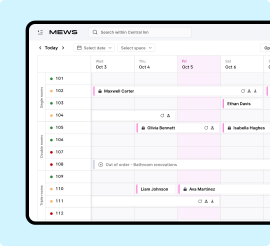
Mews is a hospitality operating system that supports a seamless, contactless guest journey from pre-arrival to check-out.
It allows guests to:
- Complete online check-in through a mobile-friendly web link
- Upload identification details
- Authorize payment before they arrive
- Skip the front desk
- Use a self-service kiosk or access their room with a digital key
The platform also enables digital check-out and automated payments, reducing manual administrative work for staff. With real-time syncing across departments, housekeeping and front desk teams gain better visibility into arrivals and departures, improving coordination and room readiness.
By combining online check-in, kiosks and integrated payments within one connected system, Mews helps hotels streamline operations while enhancing the guest experience.
2. Duve
What could be better for a guest than to arrive and for the hotel to already have all their details?
Duve offers a win-win solution by reducing the front desk workload with its customizable pre-check-in wizard. It also creates more opportunities to upsell, process payments and provide digital keys through a branded guest app, all while simplifying communication.
3. Straiv
A digital guest journey is a modern guest journey, and Straiv makes this possible.
This tool offers a range of features to streamline your operations, including online check-in and check-out, mobile key access, check-in kiosks and the ability for guests to use online services without needing to download an extra app.
With Straiv, hoteliers also have at their disposal a digital guest directory that offers many options to streamline operations, which makes internal processes efficient.
4. Canary Technologies
Canary Technologies is a contactless tool that can easily integrate with your PMS thanks to its quick set-up process. This tool enables hoteliers to create a simple link that lets guests check in quickly and effortlessly.
Going contactless is one of the easiest ways to increase customer satisfaction by minimizing paperwork and giving your hotel opportunities to offer add-ons and upsells. Digital authorizations are also safer and reduce fraud, ensuring that exchanging credit cards and IDs is traceless to potential fraudsters.
5. MyStay
One of the keys to happy guests is making operations as smooth as possible. With MyStay, you can eliminate lines at the front desk with online check-in and check-out.
The tool lets you customize the process based on the guest's country of origin and sends automatic messages throughout their entire journey. Once guests arrive, they can use the MyStay Light Kiosk to scan the QR code generated during check-in, allowing them to bypass the reception desk entirely.
During check-out, guests can add their mini-bar consumption, review the bill, split charges with other guests on their reservation and receive the invoice by email after departure. This service also offers a great opportunity to engage with guests post-stay and encourage them to leave a review.
Challenges hotels should consider before going contactless
While contactless check-in offers substantial benefits, successful implementation requires addressing potential obstacles.
The table below outlines the main challenges to anticipate before deployment.
How can contactless check-in improve hotel revenue and upselling?
Contactless check-in creates structured, high-conversion moments to present upgrades and add-ons while guests are already engaged with their stay.
During pre-arrival registration, guests can browse:
- Room upgrades
- Early check-in and late check-out options
- Add-on services
Unlike rushed front desk interactions, the digital format allows guests to review photos, descriptions and pricing at their own pace, often leading to stronger upgrade conversion.
Personalization further increases impact. Upsell offers can be tailored based on guest history, booking behavior and preferences, making recommendations feel relevant rather than promotional.
Revenue opportunities extend beyond the room. Guests can pre-book:
- Spa appointments
- Restaurant reservations
- Parking
- Local experiences
This not only drives ancillary revenue but also improves capacity planning for high-demand services.
Even at on-site kiosks, targeted promotions for amenities such as dining or fitness facilities can surface at the moment of check-in, turning a routine process into a natural revenue touchpoint.
Getting the most out of contactless check-in with Mews
Mews gives hotels the tools to make contactless check-in work in practice, not just in theory. From automated pre-arrival messages and digital registration to kiosk-based upselling and ancillary sales, everything runs through one connected platform.
Guest data flows directly into your property management system, reducing manual work and keeping your team focused on service. Whether you run a boutique property or a large hotel group, Mews scales to fit your operation.
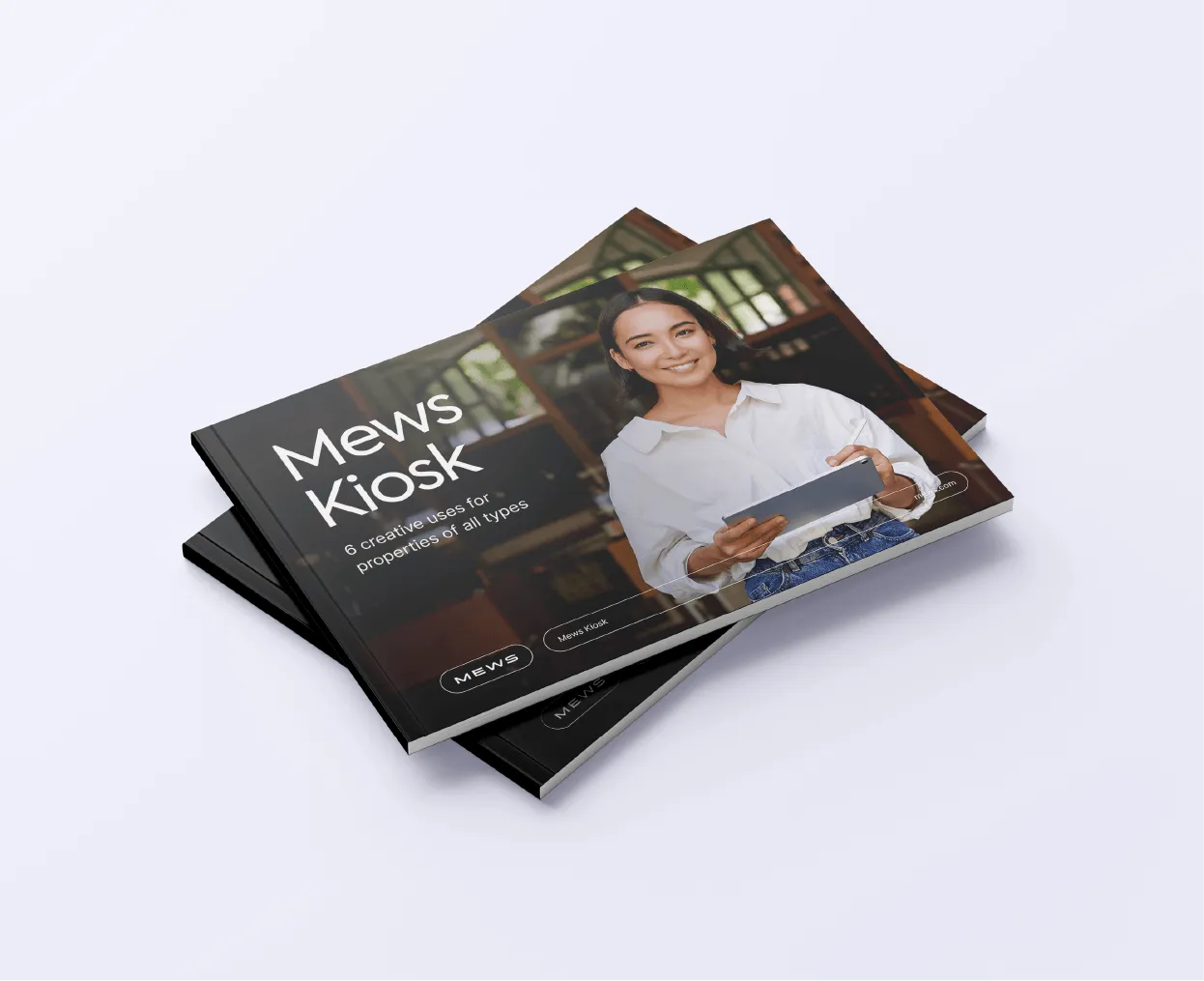
Book a demo to see Mews in action, or download our guide below to see how other properties are putting the Mews Kiosk to work.
Download our guide "Mews Kiosk: 6 creative uses for properties of all types"
What is the difference between contactless check-in and self-check-in?
What is the difference between contactless check-in and self-check-in?
Contactless check-in allows guests to check in remotely, often through a mobile device or kiosk, without physical interaction. Self-check-in, on the other hand, lets guests independently complete the check-in process at a kiosk or through a digital system at the property.
Do contactless check-in solutions work for small and boutique hotels?
Do contactless check-in solutions work for small and boutique hotels?
Yes, contactless check-in solutions can work well for small and boutique hotels, offering streamlined processes and enhancing the guest experience. These solutions often come with customizable features, allowing smaller properties to implement the technology without requiring extensive infrastructure.
Can contactless check-in software replace the front desk completely?
Can contactless check-in software replace the front desk completely?
While contactless check-in software can significantly reduce the need for front desk interaction, it may not fully replace the front desk in all cases. Some guests may still require assistance for specific requests or issues that can't be handled digitally.
How does contactless check-in help improve guest communication before arrival?
How does contactless check-in help improve guest communication before arrival?
Contactless check-in enhances guest communication before arrival by sending automated pre-arrival messages, such as check-in instructions, personalized greetings and reminders. This ensures guests have all the information they need, improving their overall experience and reducing wait times upon arrival.
Is contactless check-in software compliant with local guest registration laws and regulations?
Is contactless check-in software compliant with local guest registration laws and regulations?
Yes, most contactless check-in software is designed to comply with local guest registration laws and regulations, including identity verification and data privacy requirements. However, it’s important for hotels to ensure that the specific software they choose meets the legal standards of their region.
Written by

Eva Lacalle
Eva has over a decade of international experience in marketing, communication, events and digital marketing. When she's not at work, she's probably surfing, dancing, or exploring the world.