
Key takeaways
- Hotel accounting tracks cash flows across departments, ensuring financial accuracy and profitability.
- Specialized accounting practices, such as night audits and variable room costs, set hotel accounting apart from standard business methods.
- Real-time financial systems streamline operations, enhance decision-making and optimize revenue management.
Hotel leaders must carefully monitor every dollar that flows through their property. By implementing effective hotel accounting strategies, they can identify areas where revenue is growing and where costs are escalating. Without accurate and efficient accounting practices, valuable opportunities for profitability may be missed.
Hotels face unique accounting challenges that traditional business practices don't address, such as night audits, fluctuating room costs and department-specific revenue streams.
A solid accounting system enables hotels to make accurate forecasts, optimize operations and make data-driven decisions.
This article explores the key elements of hotel accounting, its importance and the software solutions that can streamline the process.
What is hotel accounting?
Hotel accounting is the process by which cash flows are tracked across departments in order to analyze the hotel's financial position during any particular period.
The person responsible ensures that the balance sheets, profit and loss statements and cash flows are kept up to date. This includes monitoring all departments closely, tracking department-specific expenses and managing inventory supplies effectively.
To make sure the accounting process is as effective as possible, you need to fully understand what your fixed and variable expenses and revenue sources are. One common practice is to keep each revenue stream separate so that you can better account for profitability.
Since the matter is quite complex, it's important to find an accountant who has experience in the sector so that they follow the best practices, which differ from sector to sector.
Keeping the books up to date is one of the most important exercises to ensure there are no pitfalls in your operations. Operations staff have a lot to keep track of, such as regular invoicing and accounts receivable.
However, they must also keep a close eye on occupancy rate, average daily rate (ADR), rooms sold, operating expenses, room revenue, revenue per available room (RevPar) and other key hotel metrics in order to ensure that the operations are as profitable as possible.
Having the right hotel PMS software is essential for streamlining this process, as is effective revenue management, which helps optimize rates and maximize profits.
Why is hotel accounting important?
Hotel accounting is important because it allows you to record and monitor cash flows, providing a clearer forecast for the future, a more accurate understanding of projected costs and better control over maintaining yearly budgets.
That is to say, accounting allows you to track cash flows, budget more adequately, manage payroll and ensure that your hotel complies with local tax laws. It's perhaps one of the most critical functions in a hotel, directly impacting profitability and informed decision-making.
Accounting is fundamental to hotel operations, as it carries out key roles like financial reporting, budget management, payroll processing, expense tracking and financial auditing.
How hotel accounting differs from standard business accounting
Hotel accounting faces unique challenges due to multiple revenue streams, fluctuating room rates and complex departmental operations, all of which require specialized systems.
The table below highlights key differences between standard business accounting and hotel accounting.
Core financial statements used in hotel accounting
Hotel accounting relies on the following three key financial statements to provide a clear picture of the property’s financial health:
1. Income statement (profit and loss): Shows whether the hotel made a profit or incurred a loss over a specific period. It lists revenues and operating expenses, such as labor, utilities and marketing, to determine the net profit or loss.
2. Balance sheet: Details the hotel’s assets, such as property and cash, and liabilities, including debts and payroll obligations. It shows ownership stake after liabilities are subtracted, helping assess financial health.
3. Cash flow statement: Tracks actual cash flow through the property, highlighting cash from operations, investments and financing activities. It helps identify potential liquidity issues.
Key hotel accounting metrics every hotelier should track
Tracking the right metrics is essential for understanding and optimizing your hotel’s financial performance.
The following operational metrics help you measure how efficiently your hotel converts resources into revenue:
- Average daily rate: ADR calculates the average price paid per occupied room. It helps measure pricing effectiveness and compare your property against competitors. A rising ADR indicates successful revenue management, while a declining ADR may signal rate strategy issues.
- Occupancy rate: This metric measures the percentage of available rooms sold. A high occupancy rate is positive, but it must be balanced with ADR to maximize revenue.
- Revenue per available room: RevPAR combines ADR and occupancy rate into a single metric, showing how well rooms are filled at profitable rates.
- Gross operating profit per available room (GOPPAR): This metric accounts for all revenue sources and operating expenses, revealing true profitability.
- Labor and food cost percentages: Tracking these expenses helps identify inefficiencies and control costs, with ideal ranges for most hotels being 35-45% for labor and 28-35% for food costs.
Common challenges in accounting for hotels
Even the most experienced hotel accountants face recurring challenges due to the industry's operational complexity and 24-hour business cycle.
Below are some of the primary challenges that hotel accountants often encounter:
Hotel management accounting: roles and responsibilities
Hotel accounting relies on skilled professionals who understand both finance and hospitality operations.
Each of the following roles plays a crucial part in ensuring smooth financial workflows across the property:
- Hotel accountant and financial controller: The hotel accountant maintains daily financial records, processes invoices, manages accounts payable and generates regular financial reports. Financial controllers oversee the entire accounting function, prepare budgets, analyze performance and ensure compliance with tax regulations and accounting standards.
- Night auditor: Night auditors reconcile daily transactions, post late charges and prepare reports to kickstart the next business day. They play a crucial role in identifying posting errors, resolving guest billing issues and ensuring all revenue is accurately captured.
- Revenue manager collaboration: Revenue managers work with accounting teams to optimize pricing strategies, analyze historical data and forecast demand. This collaboration ensures that pricing decisions align with financial goals and support the creation of realistic budgets and forecasts.
Best accounting software options for hotels and their benefits
Since accounting is such a key area of the hotel business, you must have the right software in place. It's worth choosing software that gives you the ability to integrate with a PMS so that you can manage everything in one place, like on the Mews platform.
Here are the best hotel accounting software options, each designed to optimize financial management and drive improved business performance:
Xero
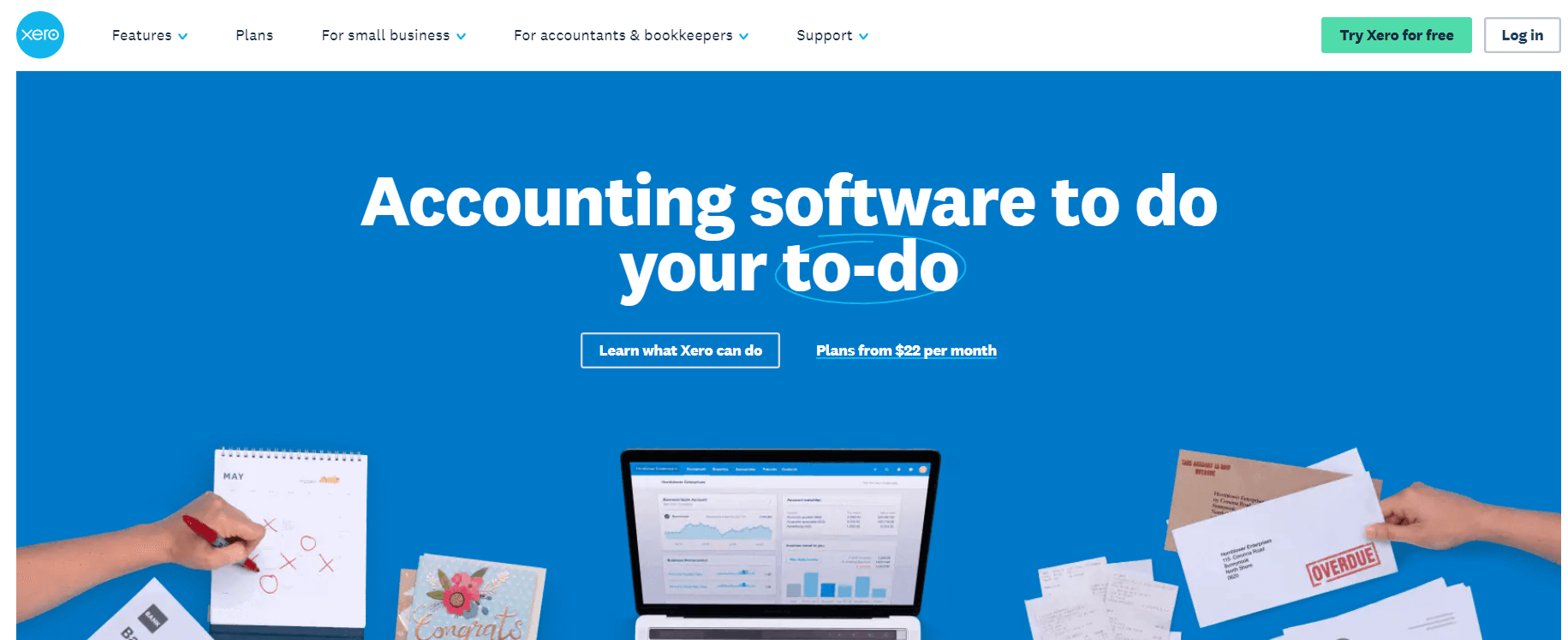
Xero is an accounting and payroll solution for small businesses. You can monitor cash flows in real time thanks to online accounting, invoicing, billing and banking. Connect Xero with Mews to transfer data in real time, and you can transfer daily revenue and payment data between both systems regularly.
Exact Online
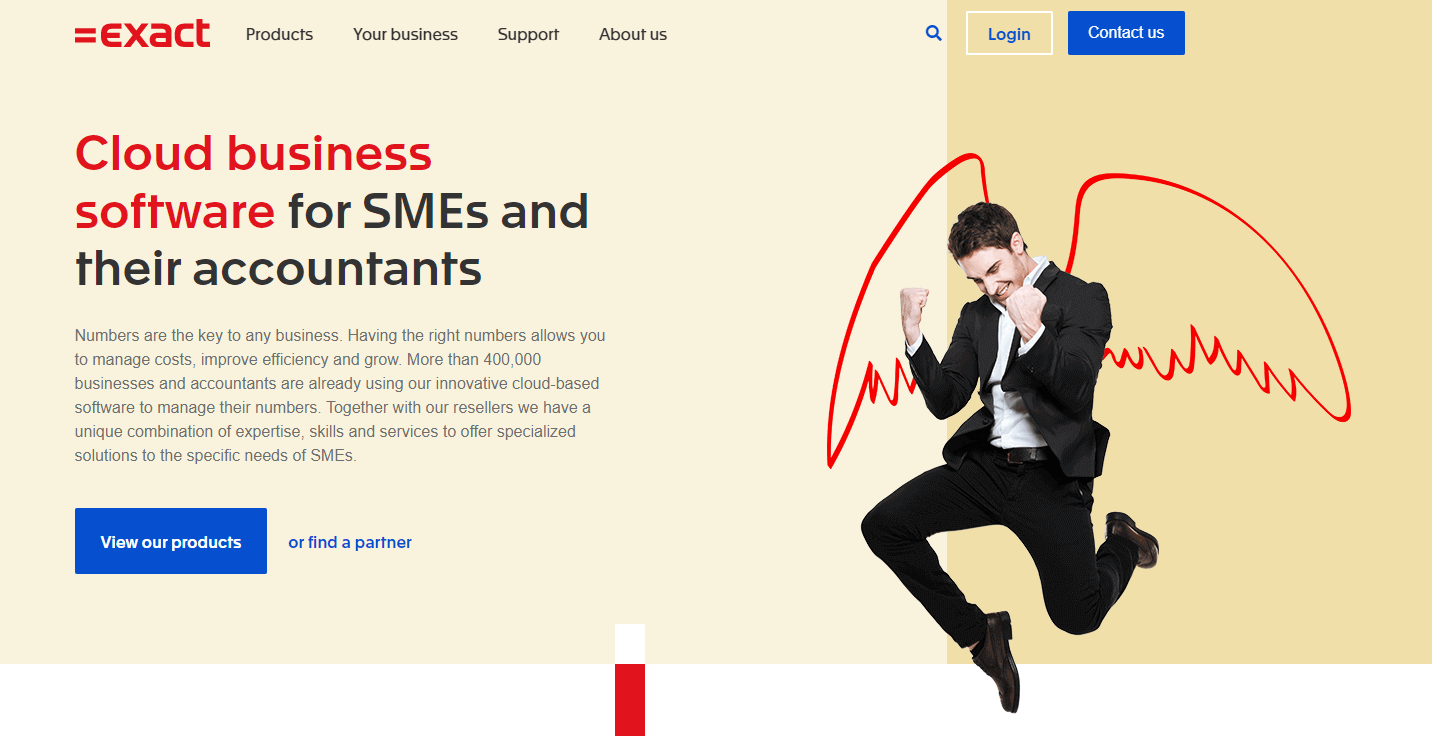
Exact Online is a great tool that can also be connected with your Mews PMS. You can get a real-time glimpse at your financial situation and manage relationships that are crucial to your business. Furthermore, this cloud software gives you the tools to grow your business.
M3
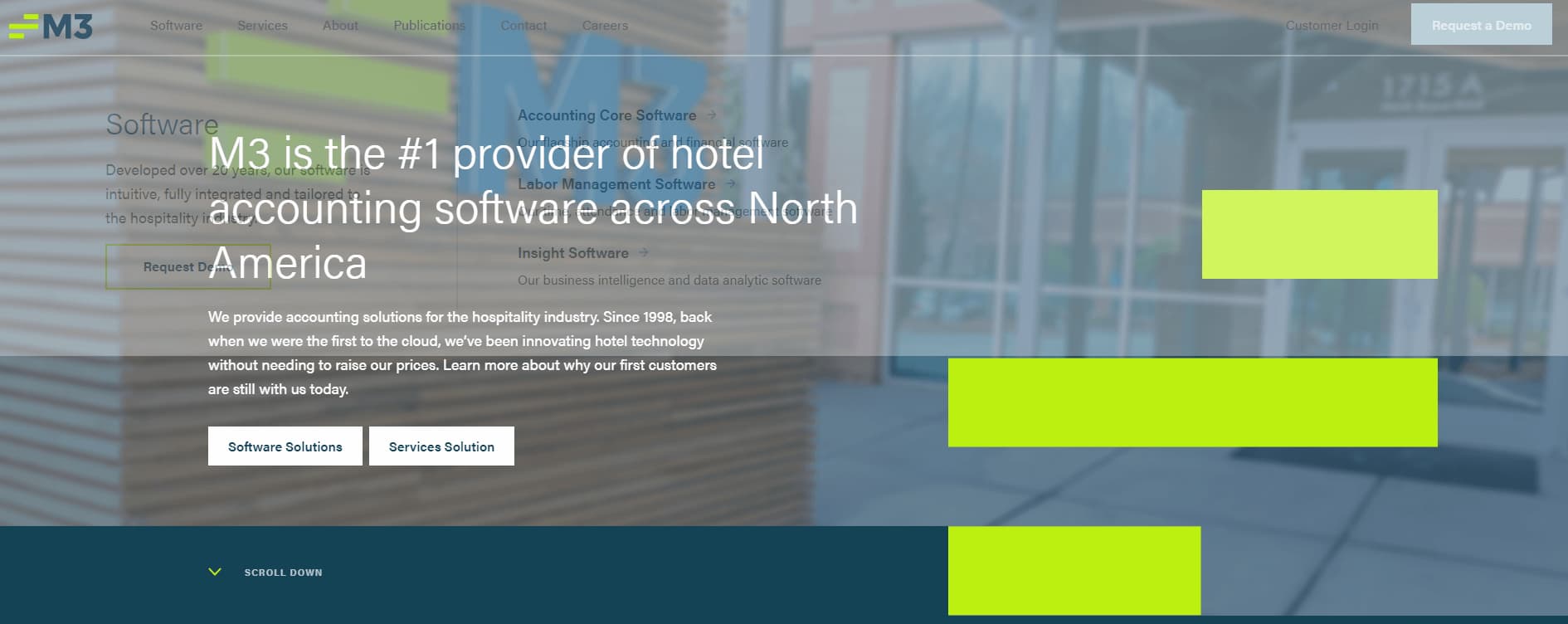
M3 is a software that provides accounting, business intelligence and payroll solutions. There are many integrations available, and thanks to user-friendly reports and financial operating information in real-time, you can reduce overhead and labor costs. You can even have daily transactions inserted into your PMS, as well as automatically calculate taxes.
Sage Intacct
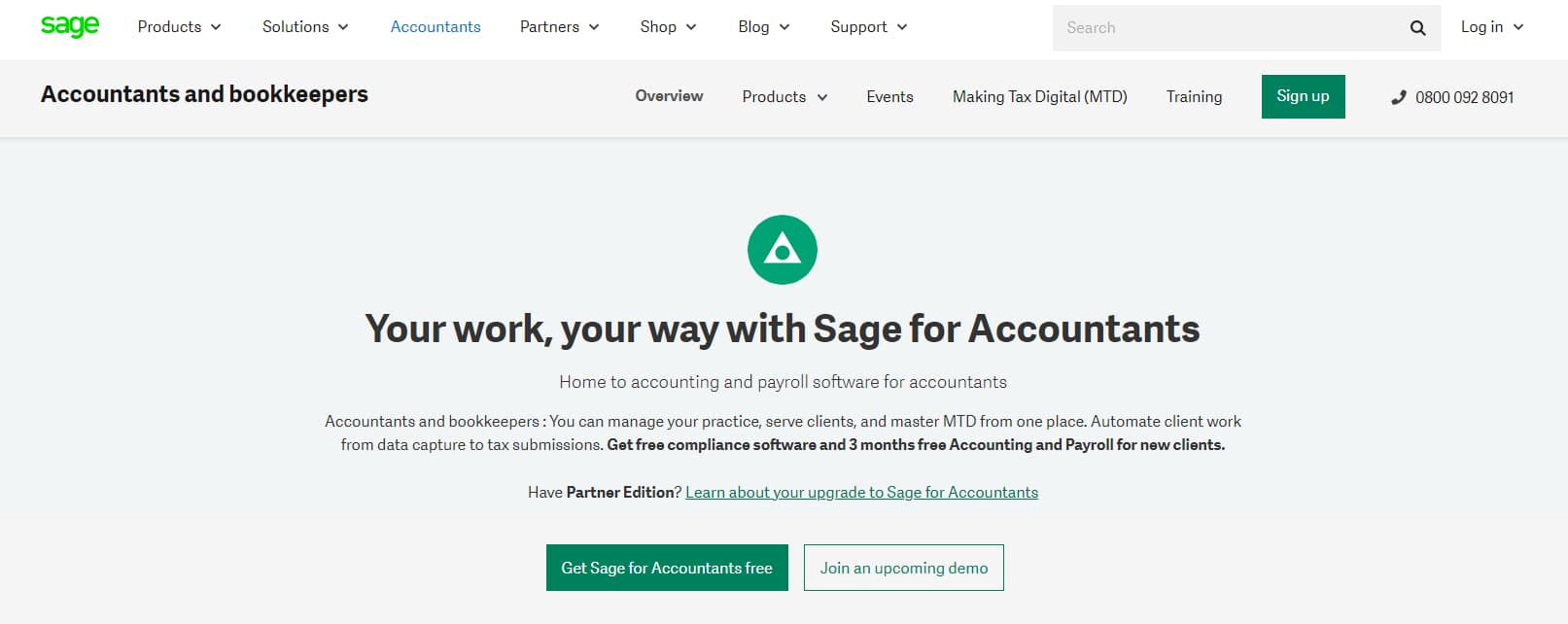
This software uses dashboards, integrations and real-time access from anywhere to help finance teams scale operations and improve decision-making. Teams can automate previously manual tasks such as multi-entity consolidation, project billing, revenue recognition and compliance. As a cloud-native solution, it also provides real-time visibility for more accurate accounting workflows.
Zen Soft
Zen Soft is a great option for those looking for a simplified approach. You can easily integrate financial data with your PMS so that you can focus on interpreting the data to make the best decisions possible for your business.
Omniboost
Omniboost is a great tool to get an overview of how all the different elements of your business are doing. You can use this software not only to manage accounting, but also to get a real picture of how each department is performing so that you can improve your internal processes. Connect with your PMS to easily have access to financial data in dashboards that allow you to visualize this data more easily.
How to choose the right hotel accounting system
Selecting the right accounting software is vital to streamlining your hotel’s financial processes and supporting growth. The ideal system should grow with your business while simplifying daily workflows.
Here are some factors to consider when choosing a hotel accounting system:
- Integration with PMS and POS systems: The system should seamlessly integrate with your property management and point of sale systems, reducing manual data entry and posting errors. Real-time data flow ensures quicker month-end closing and better revenue visibility.
- Automation and reporting capabilities: Look for software that utilizes accounting automation to post transactions, reconcile accounts and generate financial reports. Customizable reporting features enabled by automation allow for tracking specific metrics and performance comparisons across departments or locations.
- Scalability for growing hotel portfolios: Choose a scalable system that can support multiple properties and provide consolidated reporting. This ensures smooth expansion while maintaining data integrity and minimizing training costs.
Best practices for accurate hotel accounting
Implementing strong accounting procedures is essential for ensuring financial accuracy and operational efficiency.
The following best practices lay the foundation for reliable reporting and informed decision-making:
- Optimize the night audit process: Night audit procedures should follow a documented checklist to capture every transaction type, such as room charges, restaurant postings and minibar consumption. Training night auditors to promptly spot discrepancies, along with regular management reviews, helps correct errors, maintain consistency and address any systemic issues.
- Maintain a clear audit trail: Every financial transaction must be documented, including details of what occurred and who authorized it. Digital records with timestamps ensure accountability, while systematically storing supporting documents allows for quick retrieval when needed.
- Separate operational and financial controls: To prevent fraud, the person posting revenue should not handle cash receipts. Assign different team members to authorize purchases, receive goods and process payments to maintain accurate records and ensure trust in your financial operations.
Simplify hotel accounting with integrated financial workflows from Mews
Hotel accounting involves far more moving parts than standard business finance, from managing multiple revenue streams to reconciling OTA payments and departmental charges. The right system can turn that complexity into clarity.
Mews is a hospitality operating system that connects every part of your financial workflow in one place, giving your team live numbers from the moment a guest books to the moment they check out.
The system offers the following features:
- A live ledger showing deposits, balances and outstanding amounts in real time.
- Automated charge routing by product, category, rate or company.
- Date-locked trial balance records for stress-free audits and faster month-end closes.
- OTA virtual card payments that are posted directly to the correct bill.
- Built-in invoice reminders with account statements for company billing.
- Seamless integrations with accounting and financial management software platforms such as QuickBooks, Xero and Yardi
This way, your team gets accurate numbers instantly, so that everyone can focus on what actually matters: the guests. Ready to stop chasing payments and close your books with confidence? Book a demo today.
What is hotel accounting, and why is it different from regular accounting?
What is hotel accounting, and why is it different from regular accounting?
Hotel accounting is a specialized branch of accounting that focuses on managing the unique financial aspects of a hotel, including multiple revenue streams (rooms, food and events) and complex operational costs. It differs from regular accounting due to the need to track fluctuating room rates, department-specific revenues and the night audit process.
What is a hotel accounting system?
What is a hotel accounting system?
A hotel accounting system is software that manages a hotel’s financial operations, tracking revenues, expenses, payroll and financial reporting. It streamlines processes and ensures accurate, timely financial records and compliance.
How does hotel management accounting support profitability?
How does hotel management accounting support profitability?
Hotel management accounting supports profitability by providing insights into revenue streams, cost control and operational efficiency. It helps optimize pricing strategies, manage expenses, track key metrics like ADR and RevPAR and make data-driven decisions to maximize revenue and reduce unnecessary costs.
Can hotel accounting software integrate with a PMS?
Can hotel accounting software integrate with a PMS?
Yes, hotel accounting software can integrate with a PMS. This integration allows seamless data flow between the two systems, automating tasks like posting transactions, updating financial records and generating real-time reports, ensuring accuracy and efficiency.
What are the biggest accounting challenges hotels face today?
What are the biggest accounting challenges hotels face today?
The biggest accounting challenges hotels face today include managing multiple revenue centers with varying cost structures, ensuring night audit accuracy, handling complex payroll and compliance issues and lacking real-time financial visibility. These challenges require specialized systems to maintain accuracy and optimize decision-making.
Written by

Eva Lacalle
Eva has over a decade of international experience in marketing, communication, events and digital marketing. When she's not at work, she's probably surfing, dancing, or exploring the world.