
Key takeaways
- Hotel waste management is a critical strategy for reducing operational costs and improving sustainability across the hotel business.
- Digital tools and automation play an important role in modern hotel waste management by reducing paper use and optimizing energy consumption.
- Reducing food waste through better inventory tracking and composting can significantly lower disposal costs.
- Measuring waste performance through clear metrics allows hotels to track progress and improve long-term efficiency.
- Strong hotel waste management practices enhance brand perception while supporting environmental responsibility and profitability.
Hotel waste management is a critical hotel business strategy that helps reduce costs, improve efficiency and strengthen brand perception. It also streamlines operations while conserving valuable resources. Compliance is equally essential, requiring hotels to work with licensed contractors to meet environmental regulations.
In this article, we’ll explore what hotel waste management is, why it matters and best practices for managing waste more efficiently - both economically and environmentally.
What is hotel waste management?
Hotel waste management is the process of collecting, transporting, treating and disposing of waste produced by hotel operations. Common waste management techniques include landfilling, incineration, composting and vermicomposting.
It's essential for hotels to reduce, reuse and recycle waste wherever possible. Hotels generate a large amount of waste, so they need efficient ways to manage it and reduce associated costs.
Why is hotel waste management important?
Hotel waste management affects your bottom line, brand reputation and long-term sustainability. With large volumes of food waste, packaging, linens and amenities generated daily, having a clear strategy is essential.
Here’s why it matters:
- Reduces operating costs: Minimize over-purchasing, lowers hauling fees and improves inventory control.
- Improves operational efficiency: Streamline processes and reduce unnecessary waste across departments.
- Ensures regulatory compliance: Stay aligned with local environmental laws and sustainability standards.
- Strengthens brand reputation: Show guests and stakeholders your commitment to responsible practices.
- Meets traveler expectations: Appeal to eco-conscious guests who prefer sustainable hospitality options.
- Supports long-term sustainability goals: Contribute to broader environmental initiatives while protecting profitability.
A proactive waste management strategy helps hotels operate smarter, reduce impact and build a more resilient business.
6 best practices for hotel waste management
From single-use plastics and paper receipts to excess water and energy consumption, hotels can generate significant waste if processes aren’t carefully managed. Without a clear plan, these everyday operations add up - increasing costs and environmental impact.
That’s why having a structured waste management strategy in place is essential. Let’s explore six best practices that can help your hotel reduce waste, operate more efficiently and build a more sustainable property.
1. Packaging
Hotels generate a huge amount of packaging, from single-use toiletries and plastic water bottles to cleaning supplies, much of which ends up in landfills. Many guests associate hotels with luxury and indulgence, often resulting in more waste than necessary. Small changes in hotel operations can have a huge impact on the environment.
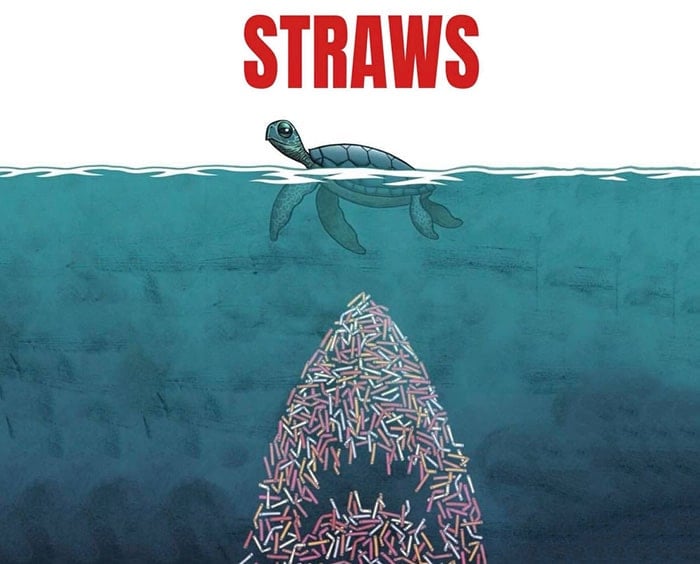
Some simple ways to reduce packaging are eliminating plastic straws and single-use toiletries and offering refillable branded water bottles. Not only are refillable water bottles a great way to indirectly promote your brand but it also sends a positive message to your guests that you care about the environment. Find out more sustainability practices in hotels.
Reducing packaging waste is one of the fastest ways to improve hotel waste management performance and demonstrate environmental commitment to guests.
2. Energy
Laundry and housekeeping are some of the biggest energy drivers in hotels, and traditional practices like cleaning every room daily regardless of need, are becoming less sustainable. As expectations shift toward more environmentally responsible operations, hotels have an opportunity to rethink how and when energy is used.
Smart technology makes this easier by automating energy-saving actions. For example, systems can activate air conditioning only once a guest checks in, or use intelligent room allocation to group occupied rooms together - reducing heating and energy consumption across the property.
With modern hotel PMS software, these capabilities can be seamlessly integrated with third-party technologies, helping hotels reduce energy use without compromising the guest experience.
3. Zero waste
There is something about going away from one’s habitual environment that tends to make people less environmentally aware. Would you really wash your towels and bed linens daily if you were home, or throw out a tiny bottle of shampoo after one use? This is why it’s a modern hotelier’s job to work towards zero waste, only washing linens and towels when fully necessary and replacing individual amenities with refillable bottles.
Implementing composting in the kitchen and recycling paper, cardboard, plastic and metal, as well as composting hand towels, coffee grounds and using compostable cups is key to becoming zero waste at your facilities.
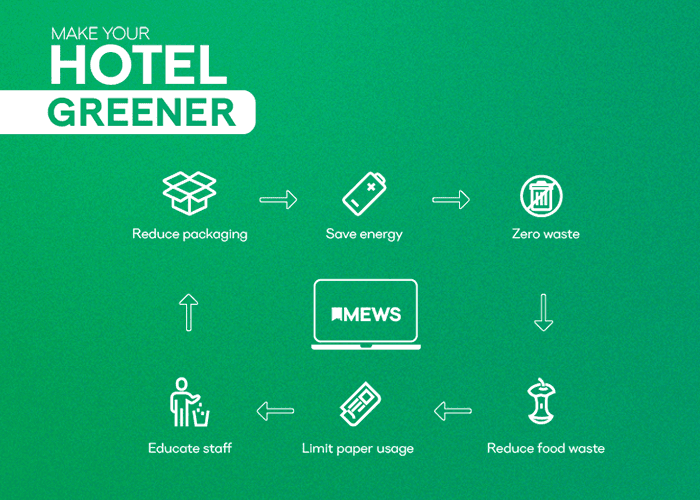
4. Food waste
Food waste is one of the largest sources of waste in the hospitality industry, making it both a sustainability concern and a significant operational cost for hotels.
Many properties are adopting more sustainable approaches to reduce waste. For example, some hotels partner with local farms to create circular systems - repurposing used cooking oil or excess food - while others use composting, on-site growing or convert food waste into animal feed.
Technology also plays a key role. Digital inventory systems help track purchasing and consumption patterns, enabling hotels to forecast demand more accurately, reduce overproduction and lower waste-related costs.
5. Paper waste
Reducing paper waste is one of the simplest ways hotels can operate more sustainably - and technology plays a key role in making this possible. By digitizing processes like check-in, invoices and guest communications, hotels can significantly cut down on unnecessary printing.
With solutions like Mews, many manual, paper-heavy tasks are automated in the background, allowing teams to go fully digital while freeing up more time to focus on delivering great guest experiences.
6. Training staff
Training staff is key to being better able to communicate and understand the best practices surrounding waste.. With tools like Mews University, hotel staff can easily learn modern digital systems that automate energy-saving features and reduce paper through digitized processes. Staff engagement is essential to long-term hotel waste management success, as daily operational habits directly influence waste reduction outcomes.
Build a smarter, more sustainable hotel
Effective waste management isn’t just about reducing trash - it’s about running a more efficient, cost-conscious and future-ready operation. When you have visibility into your performance, tighter control over processes and the right systems in place, it becomes easier to cut waste, lower expenses and meet growing sustainability expectations.
With Mews, you gain the operational insight and automation needed to streamline workflows, track performance and make smarter, data-driven decisions across your property. From optimizing resource use to improving overall efficiency, our hospitality operating system helps turn sustainability goals into measurable results.
Ready to run a more efficient, sustainable hotel? Get a demo.
Your guide to going green

Sustainability should be at the heart of your property's operations but it can be hard to know where to start. The Green Hotel of the Future will tell you how. Our guide will help you become more eco-conscious with practical advice and inspiration, which in turn should also help you cut costs.
How much waste does the average hotel generate?
How much waste does the average hotel generate?
Waste volume varies by property size and service level, but full-service hotels can generate several kilograms of waste per occupied room each day. Food and beverage operations typically contribute the largest share, followed by housekeeping and packaging materials.
What regulations affect hotel waste management?
What regulations affect hotel waste management?
Hotels must comply with local and national environmental regulations that govern waste collection, recycling standards and hazardous material disposal. Requirements often include proper separation of recyclables, safe storage of waste and working with licensed waste contractors.
Can hotel waste management improve guest satisfaction?
Can hotel waste management improve guest satisfaction?
Yes. Many travelers prefer properties that demonstrate environmental responsibility. Visible sustainability initiatives, such as refillable amenities or recycling programs, can positively influence guest perception and loyalty.
How does waste management impact hotel operating costs?
How does waste management impact hotel operating costs?
Poor waste practices can increase disposal fees, energy bills and supply expenses. Efficient hotel waste management reduces landfill costs, lowers procurement needs and improves overall operational margins.
What role does technology play in hotel waste management?
What role does technology play in hotel waste management?
Technology can support waste tracking, automate energy controls and digitize paperwork to reduce material use. Integrated systems help hotels monitor resource consumption and identify areas for improvement.
Is certification important for hotel waste management?
Is certification important for hotel waste management?
Environmental certifications, such as green building or sustainability labels, can validate a hotel’s waste reduction efforts. These certifications may enhance credibility with corporate clients and environmentally conscious guests.