
Key takeaways
- Digital transformation in hotels improves guest experiences, streamlines operations and enhances overall efficiency.
- Implementing modern technologies like cloud systems, mobile tools and smart rooms helps hotels stay competitive and increase revenue.
- A structured strategy with staff training, phased rollouts and continuous optimization ensures successful adoption and long-term benefits.
Are your front desk staff buried in manual tasks while guests wait impatiently at check-in?
For hotel managers focused on delivering exceptional guest experiences and stronger profit margins, the answer lies in embracing digital transformation in the hotel industry.
Technology is no longer a luxury reserved for large hotel chains. Modern solutions are accessible to properties of every size, helping you cut operational costs, personalize guest stays and drive direct bookings.
From mobile check-in and AI-powered pricing tools to automated housekeeping coordination, the right technology stack transforms how your property operates.
Central to this shift is cloud computing in the hotel industry, which gives your team real-time access to critical data from anywhere, while eliminating costly on-premise servers and time-consuming manual updates.
In this article, we break down the key technologies, benefits and a practical roadmap to help you get started.
What is digital transformation in the hotel industry?
Digital transformation in the hotel industry refers to the adoption of technology to improve guest experiences, optimize operations and maintain a competitive edge.
Hotels can automate repetitive tasks, offer mobile check-in or speed up check-in with kiosks or keyless entry. These improvements create a smoother guest journey, improve efficiency and foster a more guest-centric experience.
Before you implement any changes, develop a future-proof strategy. The key is to stay on top of emerging technologies and the ever-changing customer landscape. This ongoing process will shape your brand image and help increase your market share.

Why digital transformation matters for hotels
Digital transformation matters because it gives your hotel a competitive edge and helps you drive more revenue. It also helps you improve operational efficiency and data collection, all while crafting stellar customer experiences.
From standing out in a crowded market to building lasting guest loyalty, here's what digital transformation can do across each area of your hotel business:
Gain a competitive advantage
What makes you stand out from your competitors? The answer is shifting as guest expectations evolve alongside technology. With every generation becoming more digitally literate, travelers are drawn to hotels that meet them where they are.
Embracing modern technology not only helps you attract these digitally minded guests but also sets you apart from less tech-forward properties, positioning your hotel as an innovative and forward-thinking choice.
Boost revenue
Revenue can be driven more easily through digital channels. To boost your earnings, leverage online marketing and the power of direct bookings. You can increase revenue opportunities through cross-selling, upselling and promoting add-on services via digital platforms.
Improve operational efficiency
Tired of Excel sheets and manual room assignments? Digital tools automate processes and reduce human error. With the evolution of property management systems, you can efficiently manage reservations, housekeeping, inventory and staff communication. The result? Significant cost savings and higher efficiency.
Efficient internal processes lead to a seamless guest experience, allowing quick check-ins, easy upgrades and effortless service bookings via digital assistants or a virtual concierge.
Leverage data collection
Data is a goldmine for hospitality. Digital tools collect and analyze real-time data on guest behavior, preferences and market trends. These insights help you optimize pricing, tailor services and make data-driven decisions, all seamlessly managed through your property management system and other digital platforms.
Enhance customer experience
Modern guests expect digital technology to be a part of their stay. They're used to online booking, mobile check-in, personalized recommendations and smart room technology. Hotels must focus on offering diverse digital options to exceed guest expectations and build loyalty.
Top technologies driving hotel digital transformation
Knowing why digital transformation matters is only half the battle. The other half is understanding which technologies can make the biggest difference for your property.
From streamlining front-desk operations to elevating the in-room experience, these six solutions are reshaping how modern hotels run and how guests feel during their stay:
1. Check-in kiosks
Check-in kiosks reduce front desk stress and save guests valuable time. Smoother check-ins and check-outs make the stay more convenient, letting guests take control of their experience by selecting services, skipping room keys and checking in on their own schedule.
2. Mobile technology
Guests increasingly expect online check-in, digital concierge services and easy access to reservations, discounts and add-ons. Mobile technology also allows staff to manage rooms remotely, controlling lighting, temperature and other amenities while reducing the need for overnight personnel.
3. Smart rooms
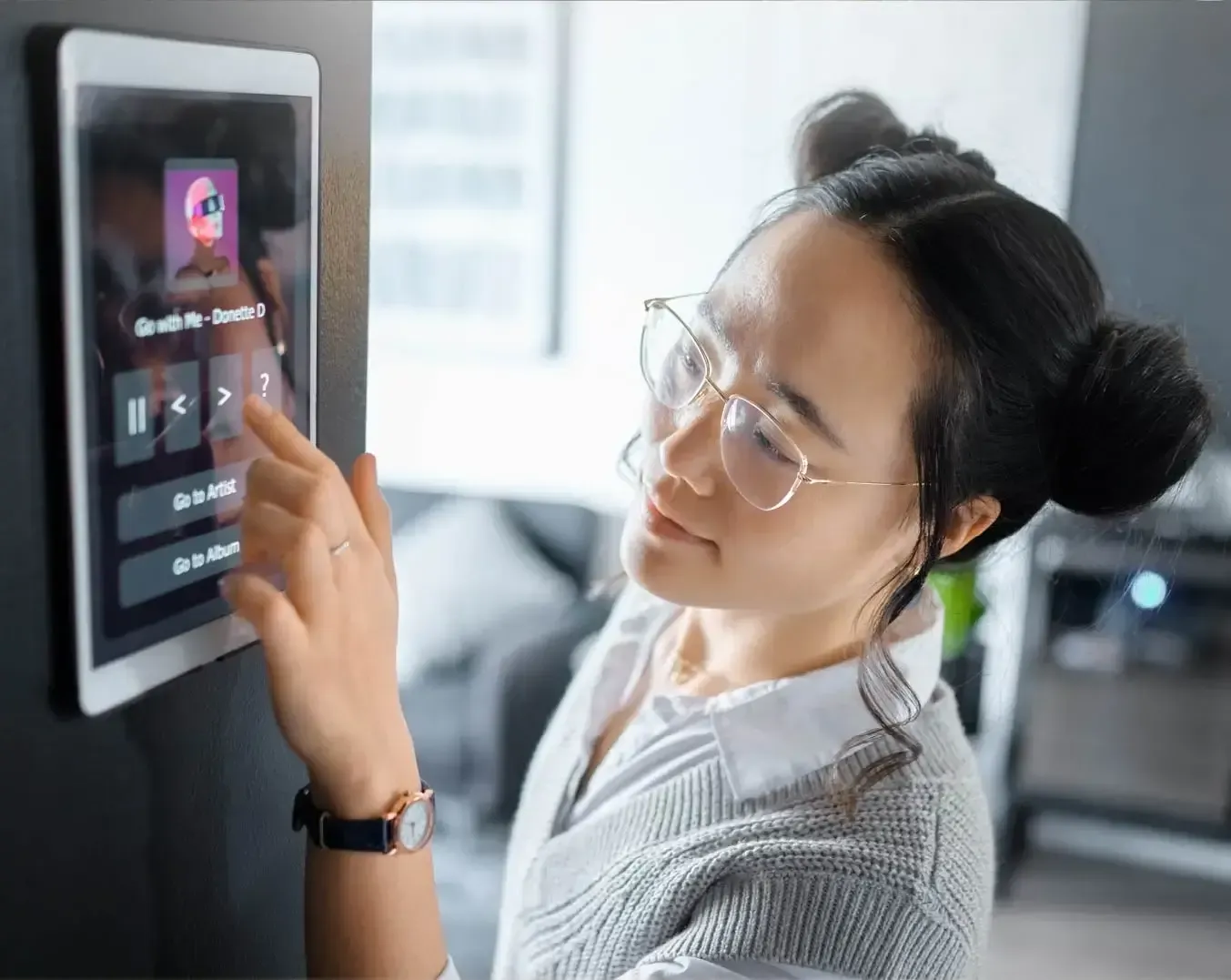
Smart technology can enhance the in-room experience in many ways, from temperature control and entertainment to voice commands, allowing guests to receive hotel updates, set alarms and adjust room comfort independently, without staff involvement.
4. Contactless technology
Check-in kiosks allow guests to skip room keys, and for an even safer and more convenient option, facial recognition can be used for room access. You can introduce contactless technology throughout the different stages of the guest journey: payments, room access and check-in and check-out.
5. Cloud systems
Cloud-based property management systems offer numerous benefits, including enhanced security, lower overhead, improved efficiency, remote access and real-time data. Multiple users can collaborate seamlessly while maintaining up-to-date records, improving efficiency and communication across departments.
6. AI technology and chatbots
Implementing artificial intelligence (AI) speeds up your hotel's digital transformation. AI has many applications in the hospitality industry, including dynamic pricing, data analysis, chatbots, personalized services and trend forecasting, making it a valuable tool for both hoteliers and guests.
Cloud computing in the hotel industry: a deep dive
Cloud computing in the hotel industry transforms how properties manage data and deliver services, replacing legacy software that requires expensive on-premises servers and constant maintenance.
Here's how cloud computing delivers value across every layer of your hotel operations:
- Your team can access critical information from any location with internet connectivity.
- The system delivers updates instantly without manual installations or downtime.
- Data backups happen automatically, protecting your operations against hardware failures.
- Leading providers implement enterprise-grade encryption and regular security audits to keep guest data secure.
- Multiple layers of redundancy ensure your guest data remains protected at all times.
- Cloud platforms eliminate upfront hardware costs and ongoing server maintenance expenses.
- Subscription-based pricing scales with your business, making enterprise technology accessible to properties of all sizes.
- Modern cloud systems connect seamlessly with hotel booking engines, revenue management tools, payment processors and guest communication platforms, creating unified operations where information flows automatically between systems.
For hotel managers looking to future-proof their operations, cloud computing is not just a technology upgrade but a smarter way to run every aspect of your property.
Step-by-step roadmap to digital transformation
Planning your digital transformation journey in the hospitality industry requires a systematic approach.
Follow these steps to modernize your property effectively:
Step 1: Assess current operations
Map out processes across departments, highlight bottlenecks and time drains and gather team feedback on everyday system frustrations.
Step 2: Define clear objectives
Set clear goals for your transformation, such as cutting check-in time by 50%, boosting direct bookings by 30% or reducing operational costs by 20%.
Step 3: Prioritize technology investments
Begin with systems that immediately improve guest experience and operations, typically starting with cloud-native property management systems, followed by revenue management and payment processing tools.
Step 4: Build implementation timeline
Develop realistic schedules for each technology adoption phase, allowing time for staff training, data migration and system testing, as phased rollouts help minimize disruption to daily operations.
Step 5: Train your team thoroughly
Invest in staff education by scheduling hands-on training before launching new systems and designating power users to support colleagues during the transition.
Step 6: Measure and optimize
Monitor performance against your goals, collect regular feedback from staff and guests and adjust processes based on real-world usage.
Step 7: Plan for continuous evolution
Digital transformation is ongoing, so stay informed about emerging technologies shaping the future of hospitality and budget for regular upgrades and new capabilities.
Common hotel digital transformation challenges and practical solutions
Digital transformation comes with its fair share of hurdles, but each one has a practical solution.
Here's a breakdown of the most common challenges hotel managers face and how to overcome them:
Addressing these challenges early in your planning process helps save your team significant time, reduce costs and set your digital transformation up for long-term success.
Accelerate hotel digital transformation with Mews
Managing a hotel involves coordinating reservations, payments, housekeeping and guest communications simultaneously. The right technology should bring all of this together, not add more complexity.
That's exactly what Mews Property Management System (PMS) is built to do.
Recognized as the World's Best Hotel Property Management System at the 2026 HotelTechAwards for the third year running, Mews is a cloud-native platform that replaces disconnected legacy systems with one unified operating system.
Here's what it delivers for your property:
- Centralized reservations, housekeeping, payments and guest communications in one intuitive dashboard.
- Online check-in, self-service kiosks and digital key compatibility for a smoother guest journey.
- Automated billing, room assignments and guest messaging to reduce manual work.
- Access to over 1,000 integrations through an open marketplace, with no additional connection fees.
- Real-time reporting and revenue management tools to support smarter pricing decisions.
Ready to see fewer manual tasks, lower overhead and more time spent on guests? Book a demo and find out how Mews can transform the way your property operates, from the front desk to the bottom line.
How can digital transformation increase hotel profitability?
How can digital transformation increase hotel profitability?
Digital transformation increases hotel profitability by streamlining operations, reducing labor costs and minimizing errors through automation. It also boosts revenue by enhancing guest experiences, enabling personalized services and leveraging data-driven pricing and marketing strategies.
How can hotels reduce operational costs through automation?
How can hotels reduce operational costs through automation?
Hotels can lower operational costs with automation by replacing repetitive manual tasks with digital systems that save time and reduce errors. This also allows staff to focus on higher-value work while lowering overhead and improving overall efficiency.
How can hotels ensure data security during tech upgrades?
How can hotels ensure data security during tech upgrades?
Hotels can ensure data security during tech upgrades by implementing encrypted systems, secure cloud platforms and regular backups to protect sensitive guest and operational information. They should also follow strict access controls, conduct security audits and work with vendors who comply with industry-standard data protection protocols.
How does Mews support hotel digital transformation?
How does Mews support hotel digital transformation?
Mews supports hotel digital transformation by providing a cloud-native platform that unifies reservations, check-ins, payments, housekeeping and guest communications in a single system. It automates workflows, offers real-time insights, enables seamless integrations with other tools and scales easily, helping hotels operate more efficiently while enhancing the guest experience.
Written by

Eva Lacalle
Eva has over a decade of international experience in marketing, communication, events and digital marketing. When she's not at work, she's probably surfing, dancing, or exploring the world.